Get your free personalized podcast brief
We scan new podcasts and send you the top 5 insights daily.
In a hyper-competitive market, a VC's role isn't just to be supportive. Being an enabler who offers feel-good praise while ignoring competitive threats can lead to a 'death spiral.' The best board members are 'founder honest,' providing fact-based, clear-eyed analysis of the competitive landscape to force necessary action.

Related Insights
In today's founder-centric climate, many VCs avoid confrontation to protect their reputation (NPS) within the founder network. This fear of being blacklisted leads them to abdicate their fiduciary duty to shareholders, failing to intervene even when a company's performance is dire and hard decisions are needed.
Drawing an analogy to legendary music producer Rick Rubin, an investor's role is to help a founder find the most authentic and compelling version of their own story. The goal is not to invent a narrative, but to draw out the founder's core truth and channel it through their company.

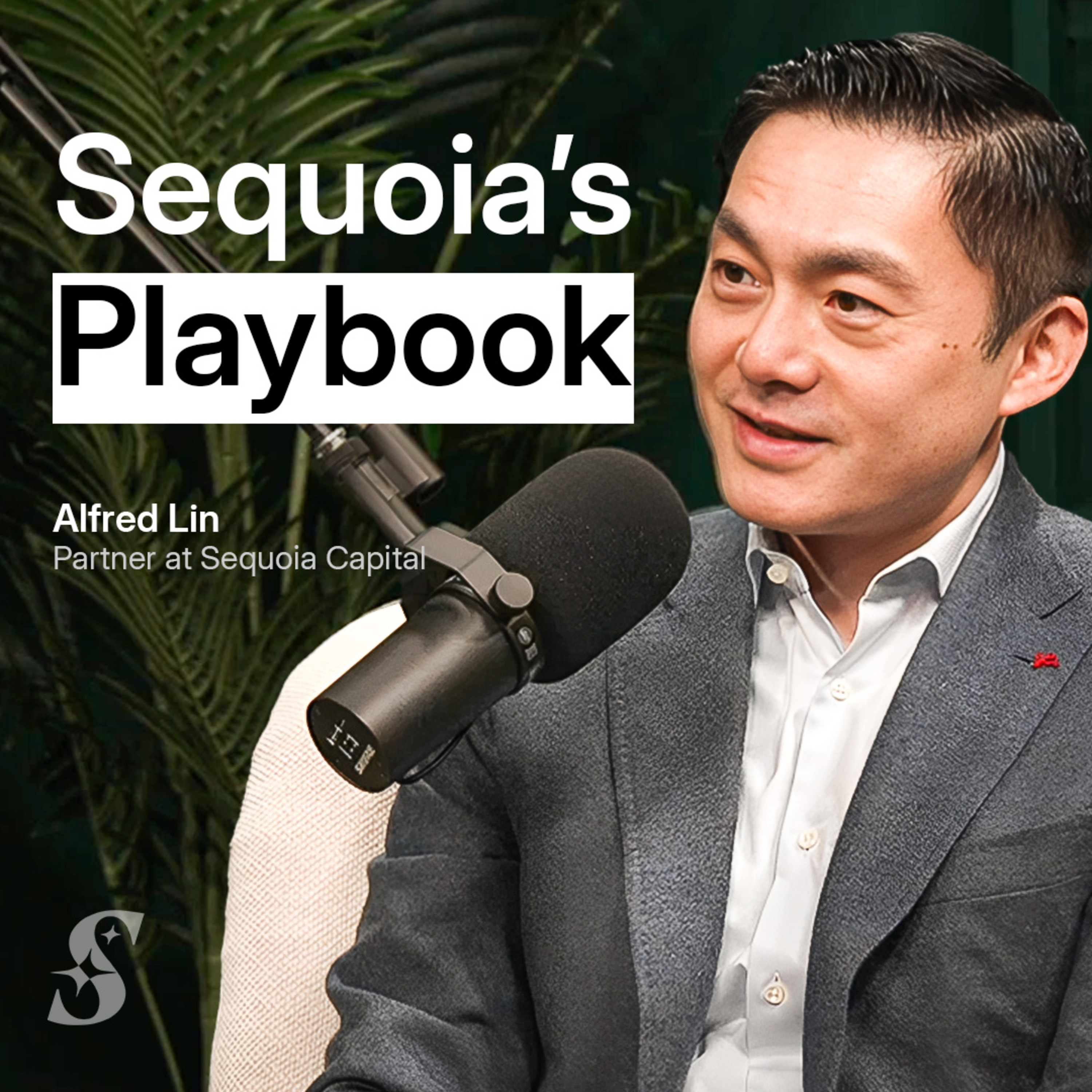
Alfred Lin's framework for board members is to be supportive 'shock absorbers' during hardships, helping founders pick up the pieces. When the company is succeeding, they become 'sparring partners' to challenge founders, prevent complacency, and push the business to the next level.
The abundance of capital has shifted the VC mindset from serving founders over a decade to simply "winning" the next hot deal. This transactional approach is misaligned with what founders truly need: a committed, long-term partner who puts the company first.
Beyond product-market fit, there is "Founder-Capital Fit." Some founders thrive with infinite capital, while for others it creates a moral hazard, leading to a loss of focus and an inability to make hard choices. An investor's job is to discern which type of founder they're backing before deploying capital that could inadvertently ruin the company.

The pervasive trend of VCs being "founder-friendly" often manifests as "hypocritical politeness" that withholds crucial, direct feedback. This ultimately hurts the company. Strong founders don't select for niceness; they seek partners who provide brutally honest input to help them improve.
While it's easy to stop funding obviously failing companies, the most difficult decisions involve startups that are doing okay but are not on a trajectory for venture-scale returns. The emotional challenge for VCs is balancing their supportive, founder-friendly role with the tough-minded discipline required for their LPs.

The hardest transition from entrepreneur to investor is curbing the instinct to solve problems and imagine "what could be." The best venture deals aren't about fixing a company but finding teams already on a trajectory to succeed, then helping change the slope of that success line on the margin.

The most valuable role for a board member isn't giving advice, but acting as a "sparring partner." This involves asking sharp questions that help founders surface their own insights and gain clarity on ideas they already hold, especially when navigating uncharted territory.
Reframe the pitch meeting from a judgment session to a mutual evaluation. Founders are selecting a partner for 7-10 years and must assess the investor for chemistry and fit, rather than just seeking capital from a position of need.