Get your free personalized podcast brief
We scan new podcasts and send you the top 5 insights daily.
The pervasive trend of VCs being "founder-friendly" often manifests as "hypocritical politeness" that withholds crucial, direct feedback. This ultimately hurts the company. Strong founders don't select for niceness; they seek partners who provide brutally honest input to help them improve.

Related Insights
A venture capitalist's career security directly impacts the founder relationship. VCs with a proven track record (like Sequoia's Andrew Reed) act as supportive partners. In contrast, junior or less successful VCs often transfer pressure from their own partnerships onto the founder, creating a stressful and counterproductive dynamic.

In today's founder-centric climate, many VCs avoid confrontation to protect their reputation (NPS) within the founder network. This fear of being blacklisted leads them to abdicate their fiduciary duty to shareholders, failing to intervene even when a company's performance is dire and hard decisions are needed.

Startups in social impact or wellness often receive positive but misleading feedback from VCs. Investors are hesitant to reject these missions outright, so they offer praise while privately declining due to perceived weak business models and a lack of "cutthroat" founders. This creates a "Save the Whales trap" for idealistic entrepreneurs.

To predict the future health of a partnership, intentionally have difficult conversations before any investment is made. If you can't productively disagree or discuss serious problems before you're formally linked, it's highly unlikely you'll be able to do so when the stakes are higher post-investment.

When fundraising, the most critical choice isn't the VC fund's brand but the specific partner who will join the board. Sophisticated founders vet the individual's strengths, weaknesses, and working style, as that person has a more direct impact on the company than the firm's logo on a term sheet.
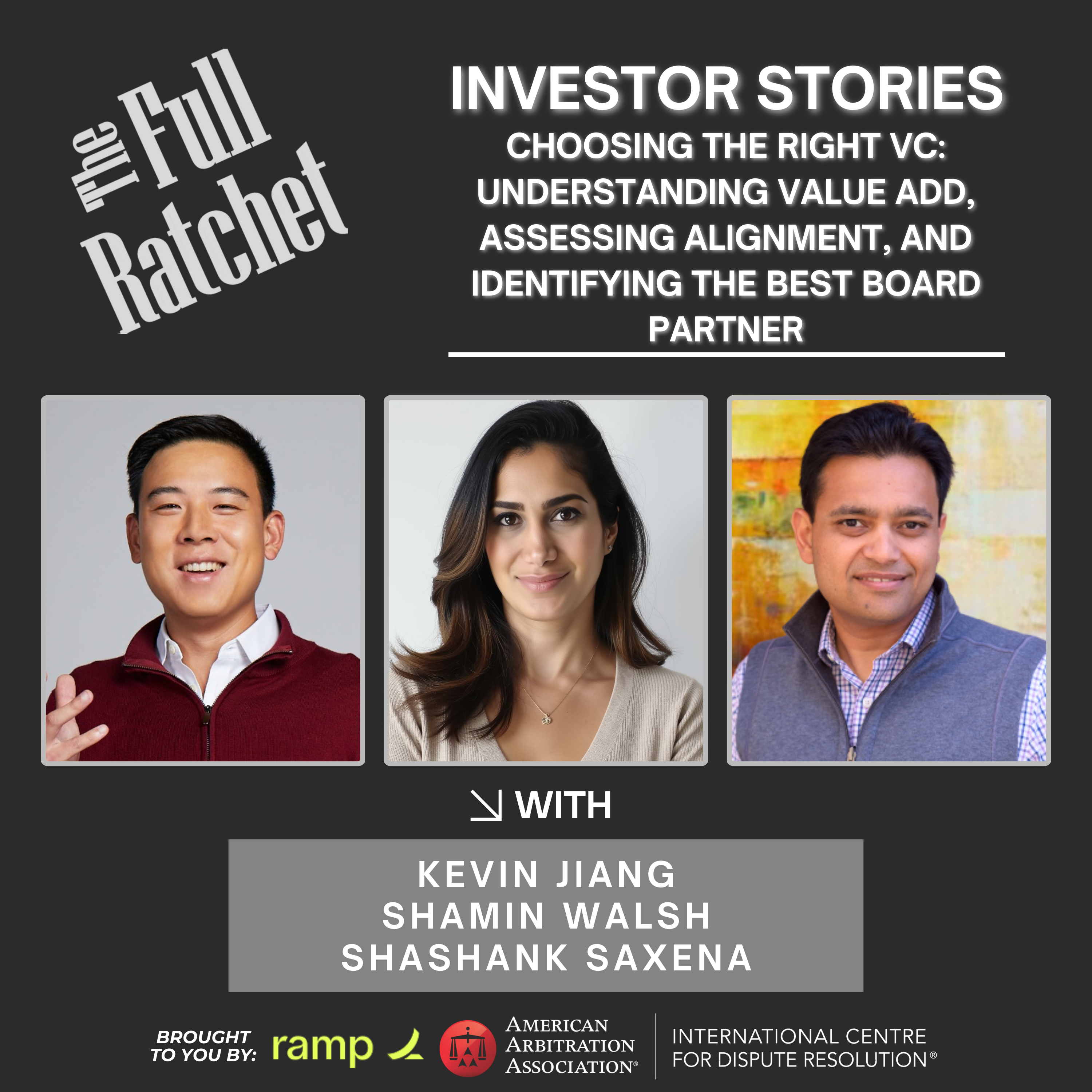
Instead of coaching unconventional founders to be more palatable for mainstream Series A investors, early backers should encourage them to lean into their unique traits. The investor's role is to help them find the right future partners who appreciate their peculiar worldview, not to change it.
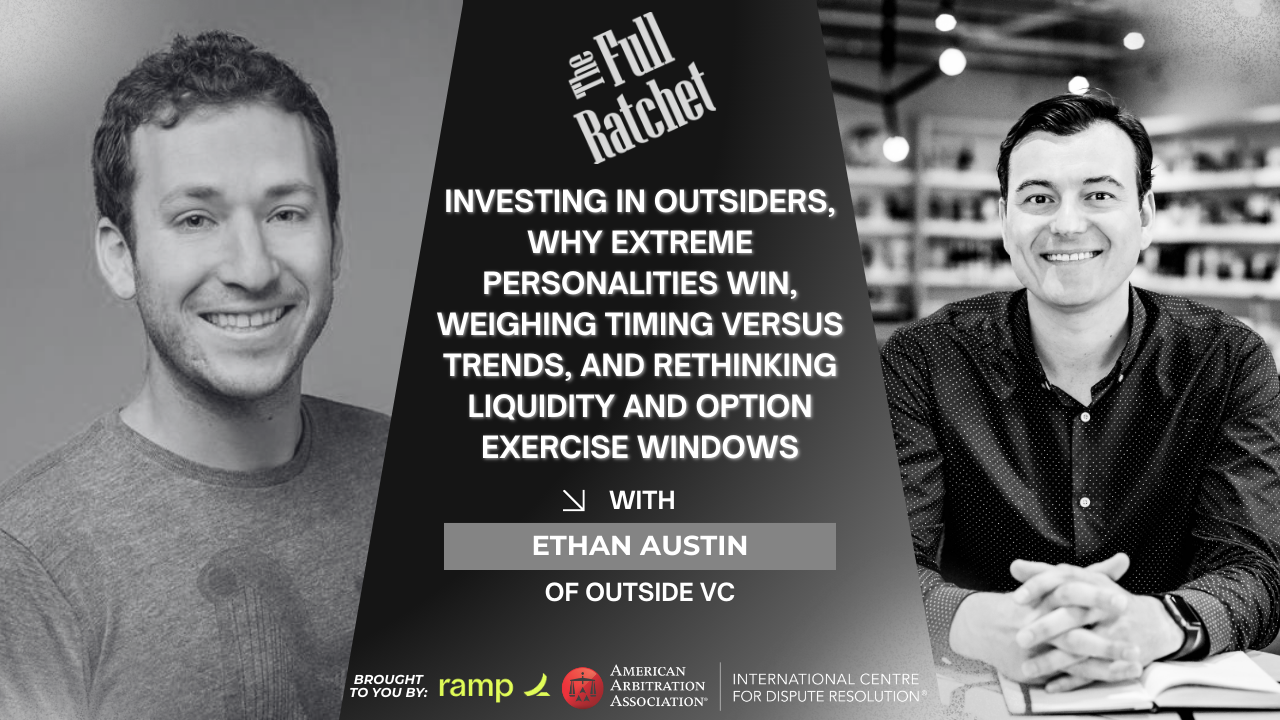
IVP's Samesh Dash observes that young VCs, driven by insecurity, often overcompensate by talking too much and offering premature advice. Maturing as an investor means shifting from talking to active listening, asking fewer but more pointed questions, and understanding a founder's immediate context before offering input.
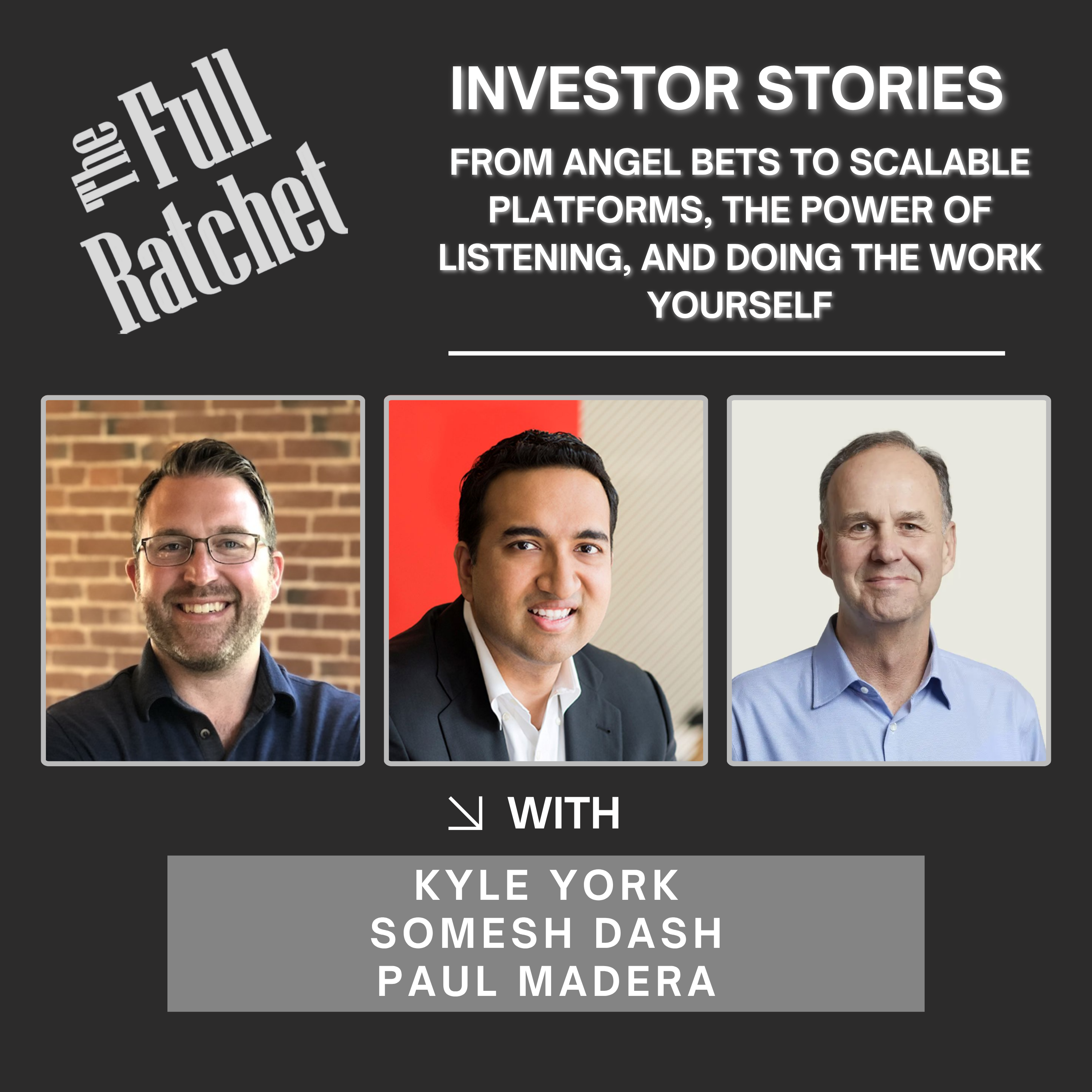
Activities like discovery interviews and seeking design partners often feel productive and validating. However, they are frequently designed to make founders feel comfortable and avoid the difficulty of real selling and deep immersion. True progress comes from uncomfortable, direct actions, not feel-good processes.

Reframe the pitch meeting from a judgment session to a mutual evaluation. Founders are selecting a partner for 7-10 years and must assess the investor for chemistry and fit, rather than just seeking capital from a position of need.

Great founders turn a pitch into a collaborative discussion by asking investors to identify business weaknesses. This signals curiosity, strength, and a desire for genuine feedback over just presenting a perfect picture. It demonstrates a coachable leader who is focused on gathering data to improve.