Get your free personalized podcast brief
We scan new podcasts and send you the top 5 insights daily.
A dangerous male tendency is fearing the embarrassment of a false alarm more than the risk of dying. This psychological barrier prevents men from seeking emergency help. The advice is clear: if something feels physically 'off,' it's crucial to call for help immediately.

Related Insights
Healing relational trauma requires vulnerability, yet traditional masculinity prizes emotional control. This creates a painful paradox for men, where the very act required for healing feels like it threatens their identity and risks emasculation in their partner's eyes, making avoidance feel safer.

With three-quarters of mental health providers being women, the field may have a significant blind spot regarding male issues. This gender imbalance can make it difficult for men to feel seen and heard, creating a structural barrier to effective treatment that goes beyond social stigma and pushes them towards toxic online communities.
Christian Howes argues that a major barrier to emotional health for men is the cultural taboo against even acknowledging feelings like fear, shame, and guilt. Simply giving these emotions a name creates the necessary permission to begin processing them.

Stoicism, the essence of traditional masculinity, demands men deny their inherent vulnerability. This creates anxiety and walls men off from others, because authentic human connection is built through sharing vulnerability, not hiding it.

The social pressure on boys to suppress emotions like sadness isn't solely about avoiding femininity; it's deeply tied to the fear of being perceived as incapable. Expressing vulnerability is often equated with weakness and an inability to handle life's challenges, making suppression a strategy to maintain a facade of competence.
Many high-performing men are aware of their deep-seated emotional issues but actively avoid addressing them. They hold a profound fear that delving into their trauma will destabilize them, compromise their professional edge, and ultimately destroy the very success they've worked so hard to build.
As many as 80% of patients hide information from their doctors due to shame. This can have life-threatening consequences, with documented cases of patients nearly undergoing unnecessary appendectomies to avoid admitting drug use or risking fatal bleeding rather than disclosing the use of weight-loss supplements.
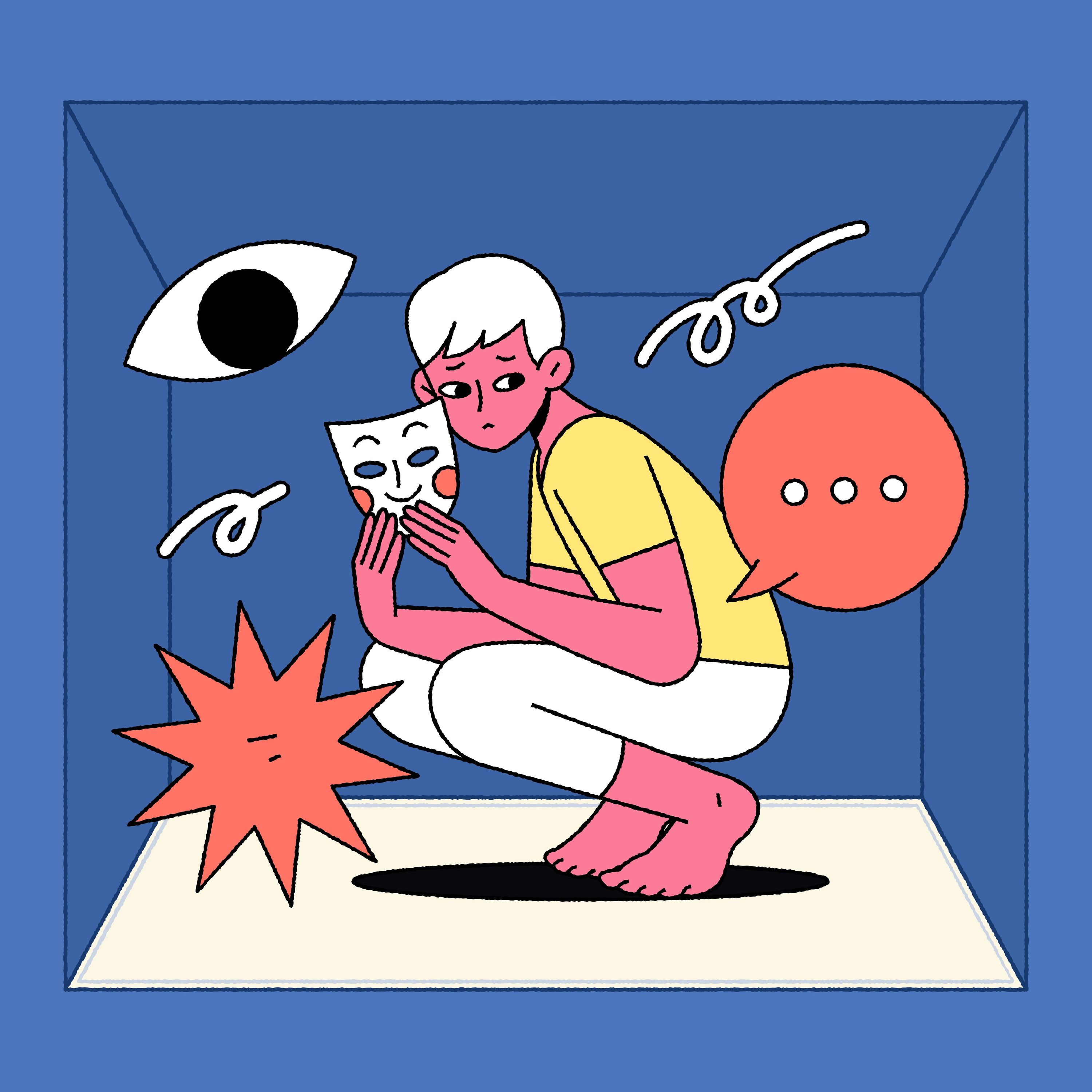
When people with obesity feel judged or have every health concern attributed solely to their weight, they often stop seeking medical help altogether. This avoidance can lead to dangerously delayed diagnoses for serious, unrelated conditions like cancer.

We prepare for physical threats by wearing seatbelts or locking doors, yet suicide is more common than homicide. A proactive safety plan involves finding and saving a vetted crisis hotline number in your phone when you feel safe, as a practical favor to a future self who may be in crisis and unable to act.

From a young age, men are taught to see vulnerability as weakness. When faced with fear, a common coping mechanism is to transmute that emotion into rage, which is seen as a more acceptable expression of male strength.