Get your free personalized podcast brief
We scan new podcasts and send you the top 5 insights daily.
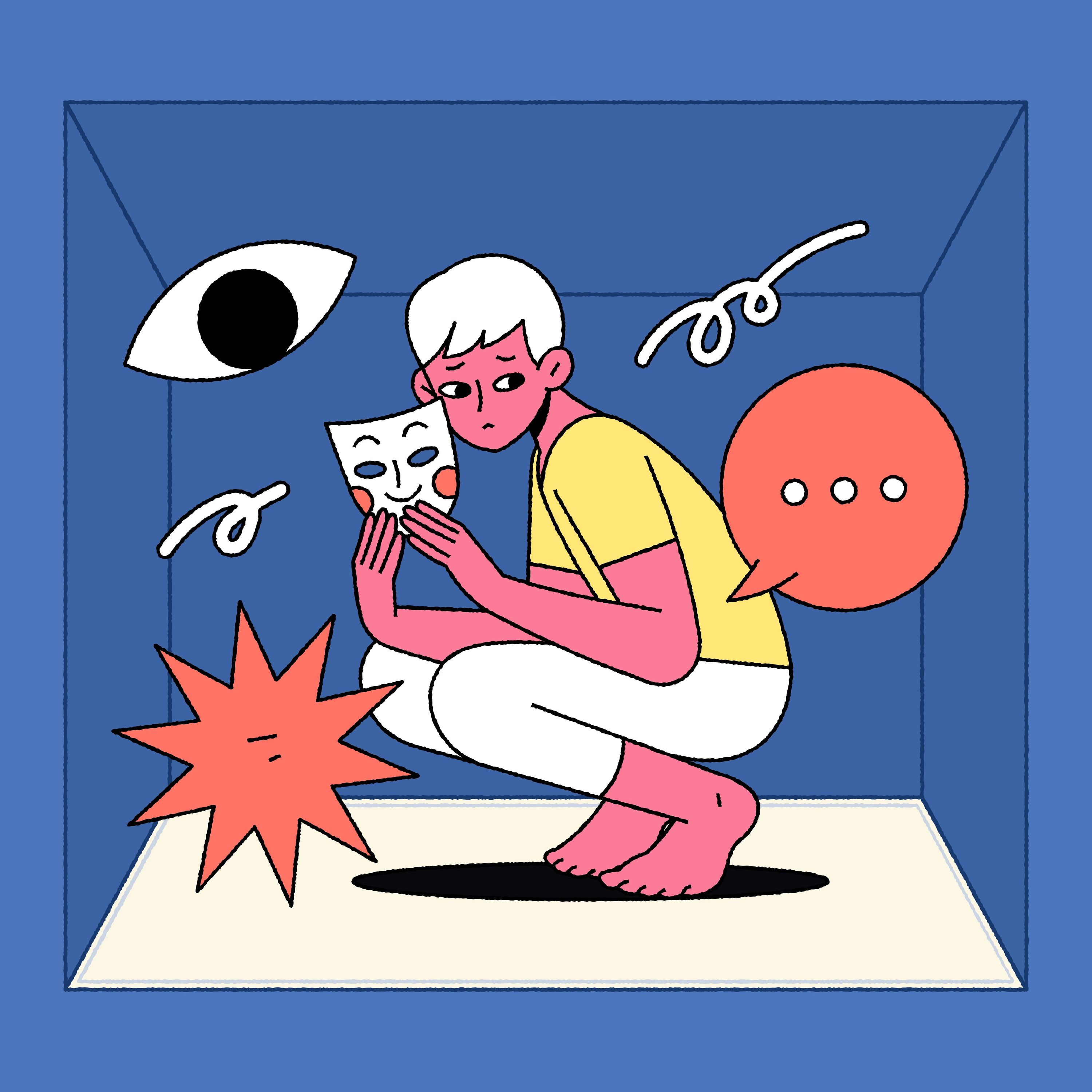
As many as 80% of patients hide information from their doctors due to shame. This can have life-threatening consequences, with documented cases of patients nearly undergoing unnecessary appendectomies to avoid admitting drug use or risking fatal bleeding rather than disclosing the use of weight-loss supplements.
Related Insights
In studies, participants preferred to hire or date people who admitted to negative acts (e.g., being reprimanded) over those who chose a "decline to answer" option. The act of conspicuous concealment is perceived as a fundamental breach of trust that is judged more harshly than the disclosed flaw itself.
A patient's self-reported data can be incomplete or biased, as they may only report the "good measures." To get the full picture, companies must gather input from multiple sources, like caregivers and clinicians. Each perspective helps correct the others, creating a more accurate and holistic view of the patient's journey.
While successful in reducing smoking, the aggressive demonization of smoking in public health campaigns created a lasting stigma. As a result, lung cancer patients often face blame and receive less empathy compared to patients with other cancers like breast or colon cancer.

Many high-performing men are aware of their deep-seated emotional issues but actively avoid addressing them. They hold a profound fear that delving into their trauma will destabilize them, compromise their professional edge, and ultimately destroy the very success they've worked so hard to build.

While medically proficient, many doctors are ill-equipped to handle the psychological aspects of patient communication, particularly when delivering a devastating diagnosis. Medical schools must incorporate training on psychology and compassionate communication to mitigate patient trauma.

Dr. Smith advises that every hospital patient should have a friend or family member act as a health advocate. This is crucial because many hospital procedures and decisions, such as pushing for knee replacements, may be driven more by economic incentives than pure medical necessity.

Patients and doctors often prefer integrated, 'natural' solutions like organ transplants over more practical but external machines. This powerful bias for appearing 'normal' and whole can lead them to pursue complex, risky internal solutions, even when external devices might offer a more stable, albeit less convenient, alternative.

Shame evolved as a powerful social control mechanism essential for tribal survival. In the modern world, this ancient, automatic emotional response becomes maladaptive, creating a significant barrier to processing personal trauma effectively.

The silent nature of high cholesterol creates a psychological barrier. Patients who feel perfectly healthy are often unwilling to commit to lifelong treatment, even when their risk is high, leading to preventable cardiovascular events.
While providing information is key, patient-centric care means recognizing that not every patient wants all the details of their disease. The ultimate empowerment is giving patients the agency to choose their level of involvement, including the option to trust their medical team without deep engagement.