Get your free personalized podcast brief
We scan new podcasts and send you the top 5 insights daily.
When people with obesity feel judged or have every health concern attributed solely to their weight, they often stop seeking medical help altogether. This avoidance can lead to dangerously delayed diagnoses for serious, unrelated conditions like cancer.

Related Insights
Body Mass Index (BMI) is an imperfect tool for risk assessment. A patient can have a normal BMI but a high percentage of body fat—a condition called "normal weight obesity." This is a significant, yet often overlooked, risk factor for both breast cancer development and recurrence.

New obesity medications are for a chronic disease, not aesthetics. Using them for short-term goals, like fitting into a wedding dress, misappropriates medicine, contributes to shortages, and reinforces the harmful idea that obesity is merely a lifestyle choice.
While successful in reducing smoking, the aggressive demonization of smoking in public health campaigns created a lasting stigma. As a result, lung cancer patients often face blame and receive less empathy compared to patients with other cancers like breast or colon cancer.

As many as 80% of patients hide information from their doctors due to shame. This can have life-threatening consequences, with documented cases of patients nearly undergoing unnecessary appendectomies to avoid admitting drug use or risking fatal bleeding rather than disclosing the use of weight-loss supplements.
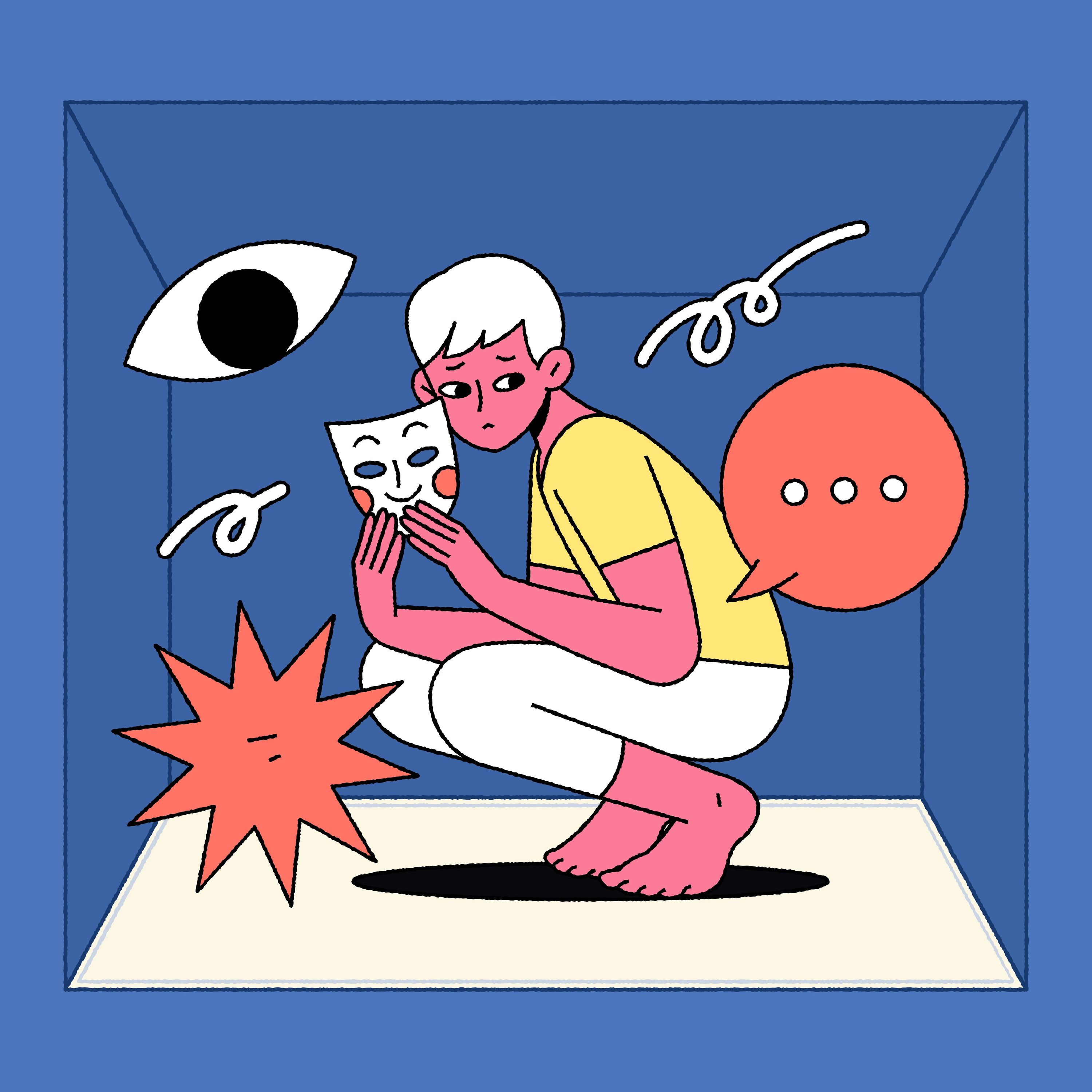
Unlike smoking, which is a behavior, obesity is a physiological outcome of complex genetic, environmental, and biological factors. The misconception that it's a behavior to be "changed" via willpower leads to ineffective strategies and harmful stigma.
The healthcare system's focus on over 100 medical specialties creates a siloed view of the body. This approach treats symptoms in isolation rather than addressing interconnected root causes like metabolic dysfunction, which underpins many chronic diseases and leads to poorer overall health results.

Living with obesity involves significant mental energy to navigate a world not built for larger bodies. This "invisible labor" includes constantly assessing physical environments, like scanning a room for chairs that will fit, and managing the psychological weight of societal judgment.
The silent nature of high cholesterol creates a psychological barrier. Patients who feel perfectly healthy are often unwilling to commit to lifelong treatment, even when their risk is high, leading to preventable cardiovascular events.
Even when regulators like NICE approve new obesity medications, patients can't access them. The NHS lacks funded specialist services, staff, and clear pathways, creating insurmountable barriers and a two-tier system where only those who can pay privately get treatment.
A counterintuitive finding in public health is that patients who regularly visit their doctor perceive themselves as sicker, yet are objectively healthier than those who avoid medical care. This highlights the danger of an "ignorance is bliss" mindset.
