Get your free personalized podcast brief
We scan new podcasts and send you the top 5 insights daily.
In a competitive deal, the winning vendor is often the one everyone at the decision table already knows and trusts. Use platforms like LinkedIn to build broad visibility and credibility across the organization, not just with your main contact. When decision-makers are familiar with your content and value, you become the default, trusted choice.

Related Insights
Empower your marketing team or agency to manage salesperson LinkedIn profiles to send connection requests and run nurtured messaging cadences. This establishes credibility and a direct communication channel within target accounts before a formal sales handoff.

The goal on LinkedIn isn't to reach all one billion users. Instead, sales professionals should focus on their specific Ideal Customer Profile (ICP) within a niche market. By creating highly relevant content for this small, targeted audience, you can establish authority and influence decision-makers far more effectively than by attempting mass appeal.
You don't need to be the world's foremost expert to succeed on LinkedIn. Since only 2% of users post regularly, simply showing up consistently with valuable content and a unique voice allows you to stand out and win business over more knowledgeable but less visible competitors.

In complex enterprise sales, don't rely solely on your champion. Proactively connect with every member of the buying committee using personal touches like video messages. This builds a network of allies who can provide crucial information and help salvage a deal if it stalls.

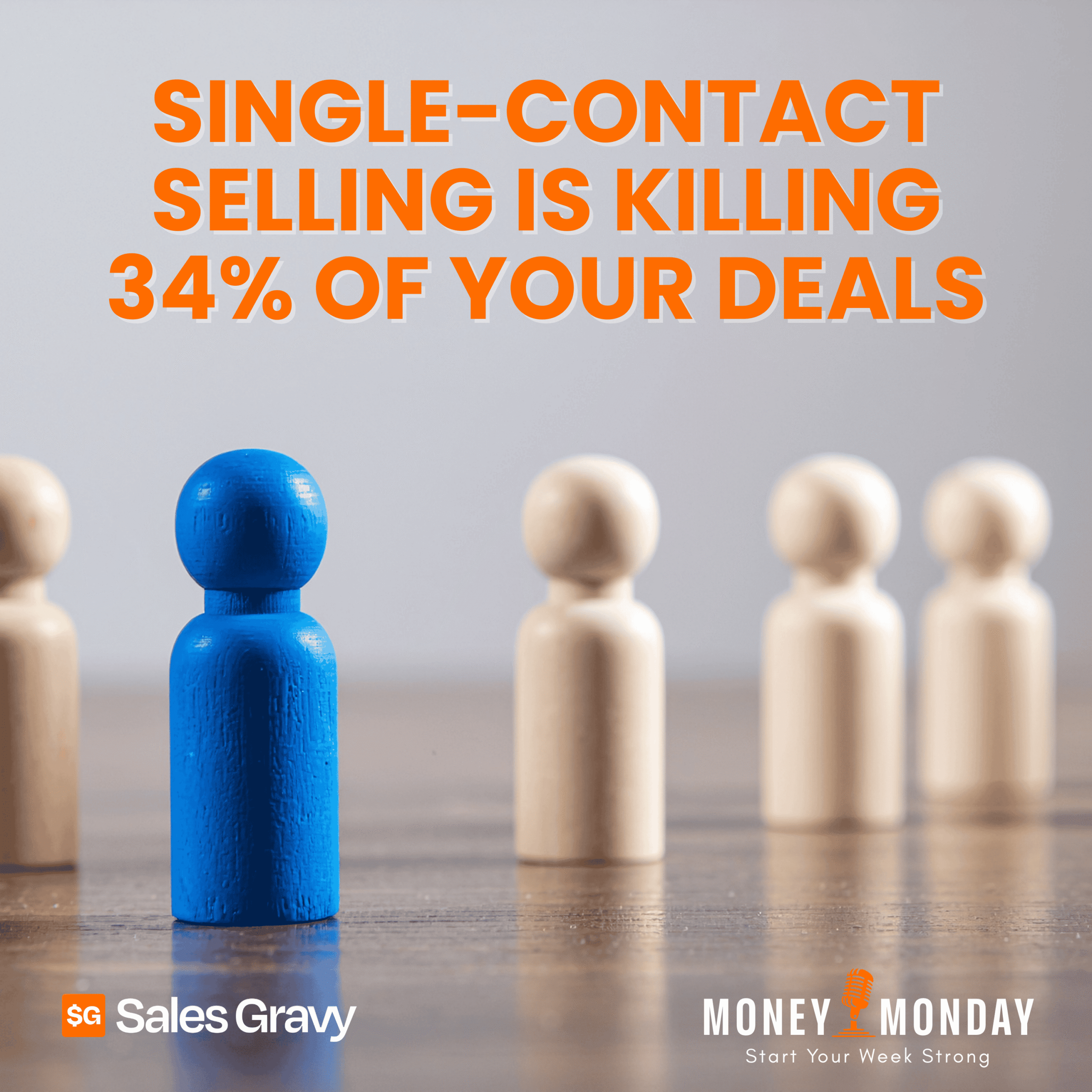
Data from LinkedIn Sales Solutions reveals sales teams engaging multiple stakeholders are 34% more likely to win a deal. This counters the common strategy of focusing on a single champion, as complex buying decisions typically involve four to seven influencers. A singular connection is fragile, whereas a web of connections is resilient.
Before engaging with any salesperson, customers will inevitably turn to the internet to research them. Your LinkedIn profile often serves as the first and most critical touchpoint, acting as a modern 'Good Housekeeping Seal of Approval' that validates your professional credibility.
The buying committee is larger than just the key contacts sales engages. Hidden influencers, particularly in procurement, play a crucial role. If they have no brand awareness or trust in your company when the deal reaches their desk for final approval, they can single-handedly block it.
When a founder or leader builds a personal brand (e.g., through LinkedIn content), they create a "halo effect." Potential customers in sales meetings already feel a connection, recognizing the person from their content. This pre-establishes a modicum of trust, making it far more likely the deal will be won.
The most strategic use of LinkedIn is to treat it as your primary blog for business and marketing insights. This reframe from "social channel" to "media channel" builds an invaluable asset that generates credibility, relationships, and revenue.

Modern B2B buying isn't a linear path from a Google search to a demo. Buyers piece together their understanding from disparate, trusted sources like LinkedIn DMs, peer comments, and Slack communities. Marketing must meet them in these channels to be visible and earn trust.
