Get your free personalized podcast brief
We scan new podcasts and send you the top 5 insights daily.
When a contest winner failed to claim Red Sox tickets, the prize went to waste. However, this "failure" was reframed by focusing on the primary goal: the social media buzz, engagement, and expanded reach generated during the contest period, not the prize redemption itself, was the actual return on investment.

Related Insights
The owner of Royal Air shifted her mindset from seeking measurable ROI for their mascot and community events. Instead, success is tracked through "quiet notices": overhearing positive comments, seeing branded buttons on kids' backpacks, and being recognized at events. This highlights the cumulative, qualitative impact of brand-building.
A quirky 'French Lessons with a DJ' campaign failed on Facebook a decade ago, but the hosts noted it would likely succeed on TikTok with a Gen Z audience today. This reframes failure, suggesting an idea's success is highly dependent on the context of platform, audience, and cultural timing, not just the creative concept.

When Richard Branson's hot air balloon crashed trying to cross the Atlantic, he viewed it as a superior marketing event. The story had tension, high stakes, and a memorable visual of the "Virgin" logo sinking. This illustrates that stories of struggle and failure are often more engaging and human than simple success narratives.

External metrics like media coverage are not the only measure of success. A creative campaign that fails to land with the public or press can still be valuable if it excites and engages crucial internal stakeholders, such as the CEO, reinforcing their trust in your team's creativity.
The ROI of a viral moment is difficult to link to direct sales. Instead, its value lies in increasing 'share of voice' and creating positive brand associations. This influences future purchasing decisions, making the brand top-of-mind when a customer is ready to buy.
Instead of just providing a discount code, Bodega emailed customers a $200 code with 'missing characters.' The first person to solve the puzzle won. This gamified approach transforms a simple promotion into a memorable brand event that generates buzz and excitement among the user base.

Customer.io created a memorable experience by giving away desirable items like AirPods and a Nintendo Switch instead of branded swag. This approach generates genuine goodwill and organic social media buzz, leading to better brand recall than traditional lead-generation tactics like badge scanning.

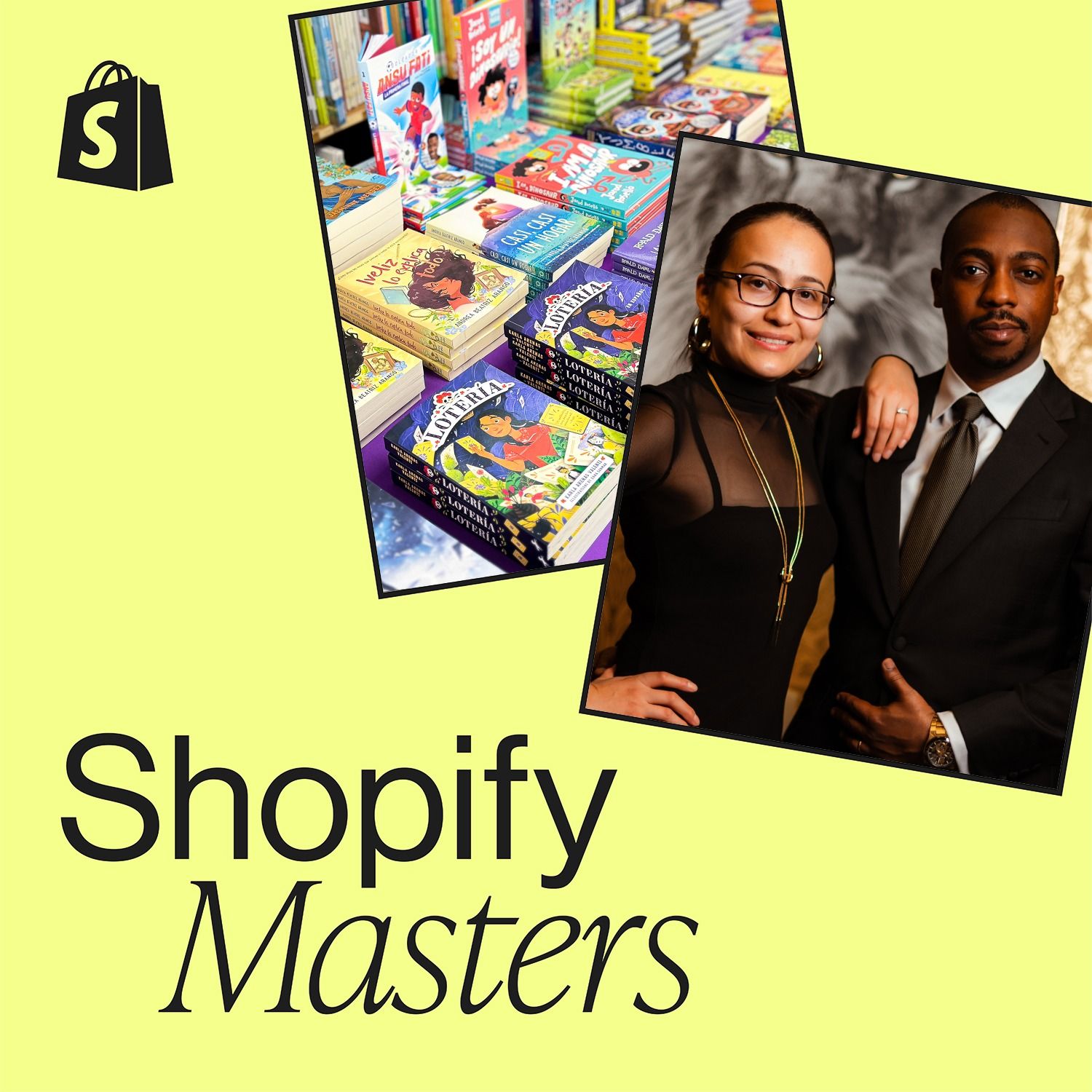
The founders of Miha Books consider their year-long retail lease a financial failure. However, the store generated significant press coverage and social proof ('as seen on'), which they now view as a valuable, albeit expensive, marketing asset that legitimized their brand and led to future opportunities.
A low-cost physical activation, like a single billboard or street posters, can be amplified 10x by documenting it and sharing the story online. The real value isn't the physical impression but the digital content it generates for a broader audience.
While social media challenges are framed around metrics, their most significant outcomes are often intangible. The real wins include forming business partnerships, raising capital, and building genuine relationships with peers—benefits that far outweigh simply gaining new followers.