Get your free personalized podcast brief
We scan new podcasts and send you the top 5 insights daily.
Connor Beaton outlines the 'law of isolation,' which dictates that withdrawing from conflict amplifies problems rather than resolving them. When men encounter relationship tension, emotional distress, or financial strain, their default response is often shut down or leave. This withdrawal magnifies internal feelings of anger, neglect, and rejection while intensifying perceived relationship friction.

Related Insights
Frequently isolating yourself or ending friendships over minor issues is a defense mechanism rooted in a lack of self-worth. It's an attempt to avoid potential emotional hurt, not a sign of maintaining high standards for your social circle.

One partner's aggressive 'fight' response (porcupine) triggers the other's defensive 'flight' response (turtle). This withdrawal intensifies the porcupine's pursuit, creating a frustrating and exhausting cycle where neither party's needs are met.
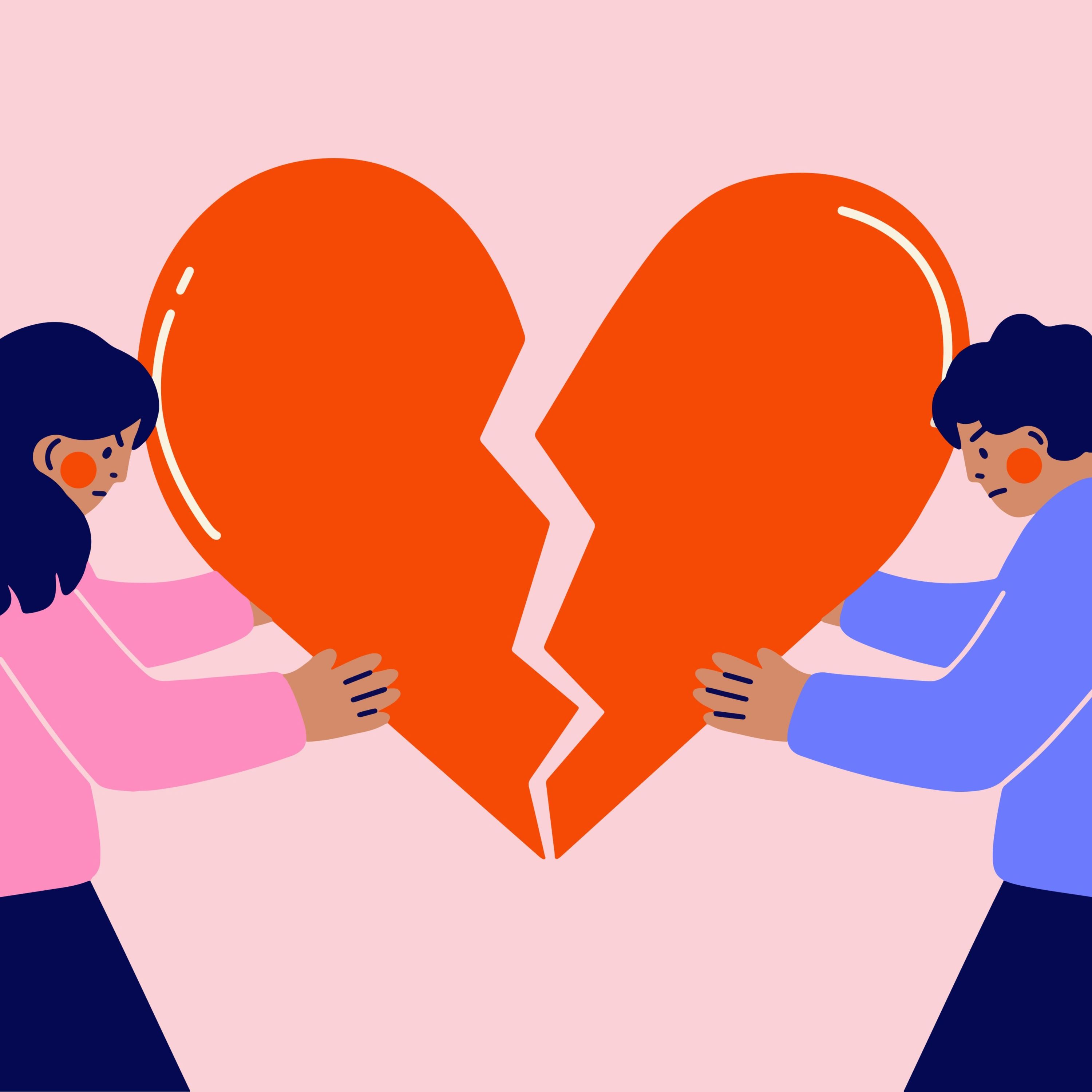
Society often expects men to solve their own problems, leaving displays of sadness or vulnerability unanswered. The brain then performs an "inner alchemy," transmuting this despair into anger—a more motivating emotion for action. When working with angry men, the underlying issue is often unaddressed sadness.

Unilaterally walking away from a fight can trigger a partner's abandonment issues. Terry Real advises contracting for breaks when calm, and during conflict, stating the reason for the break and a specific time of return. This turns a rupture into a structured pause.

Difficult feelings themselves are not the primary problem. The feeling of being alone *with* those feelings is what leads to being stuck and escalating behavior. Connection is the antidote, allowing the emotion to be processed and released rather than intensifying.

When people slowly withdraw emotional investment from a relationship, it's not laziness or indifference. It's a self-protective mechanism. The nervous system concludes that vulnerability and connection have become too risky, often because a person feels unsafe or misunderstood. This triggers a gradual retreat to avoid further emotional harm.

In relationship conflicts, one partner often pursues connection while the other withdraws. This isn't a personality clash but a reaction to fear. The pursuer's core fear is abandonment ("I'm losing you"), while the withdrawer's is inadequacy ("I'm failing you"). Identifying this shared pattern of fear, not the partner, as the problem is the key to resolution.
Connor Beaton argues that prescribing vulnerability as a cure-all misdiagnoses male distress. Many men suffer not from emotional suppression, but from feeling woefully incompetent and unable to contribute value to their families, workplaces, or communities. Men inherently desire to be needed; thus, processing feelings without building practical capabilities fails to resolve their core insecurities.
The root cause of most relationship issues is not the other person, but your own inability to handle difficult emotions like stress, disappointment, or hurt. Instead of processing these feelings internally, you expel them onto your partner through blame, a harsh tone, or withdrawal. Healing begins with regulating your own emotional state.

Many believe avoiding conflict preserves peace. Psychologist Colette Jane Fair argues this silence is a choice to abandon one's own needs. This behavior prevents your partner from truly understanding you, leading to resentment and disconnection over time, effectively teaching them an incomplete version of who you are.