Get your free personalized podcast brief
We scan new podcasts and send you the top 5 insights daily.
In relationship conflicts, one partner often pursues connection while the other withdraws. This isn't a personality clash but a reaction to fear. The pursuer's core fear is abandonment ("I'm losing you"), while the withdrawer's is inadequacy ("I'm failing you"). Identifying this shared pattern of fear, not the partner, as the problem is the key to resolution.

Related Insights
Partners who excel at planning ('talking') but fail to execute are often driven by a deep fear of failure, not laziness. Their talk is a defense mechanism—an 'ego with makeup'—to mask their insecurity. Confronting this requires candor, but be prepared for a defensive reaction as it challenges their core coping strategy.

One partner's aggressive 'fight' response (porcupine) triggers the other's defensive 'flight' response (turtle). This withdrawal intensifies the porcupine's pursuit, creating a frustrating and exhausting cycle where neither party's needs are met.
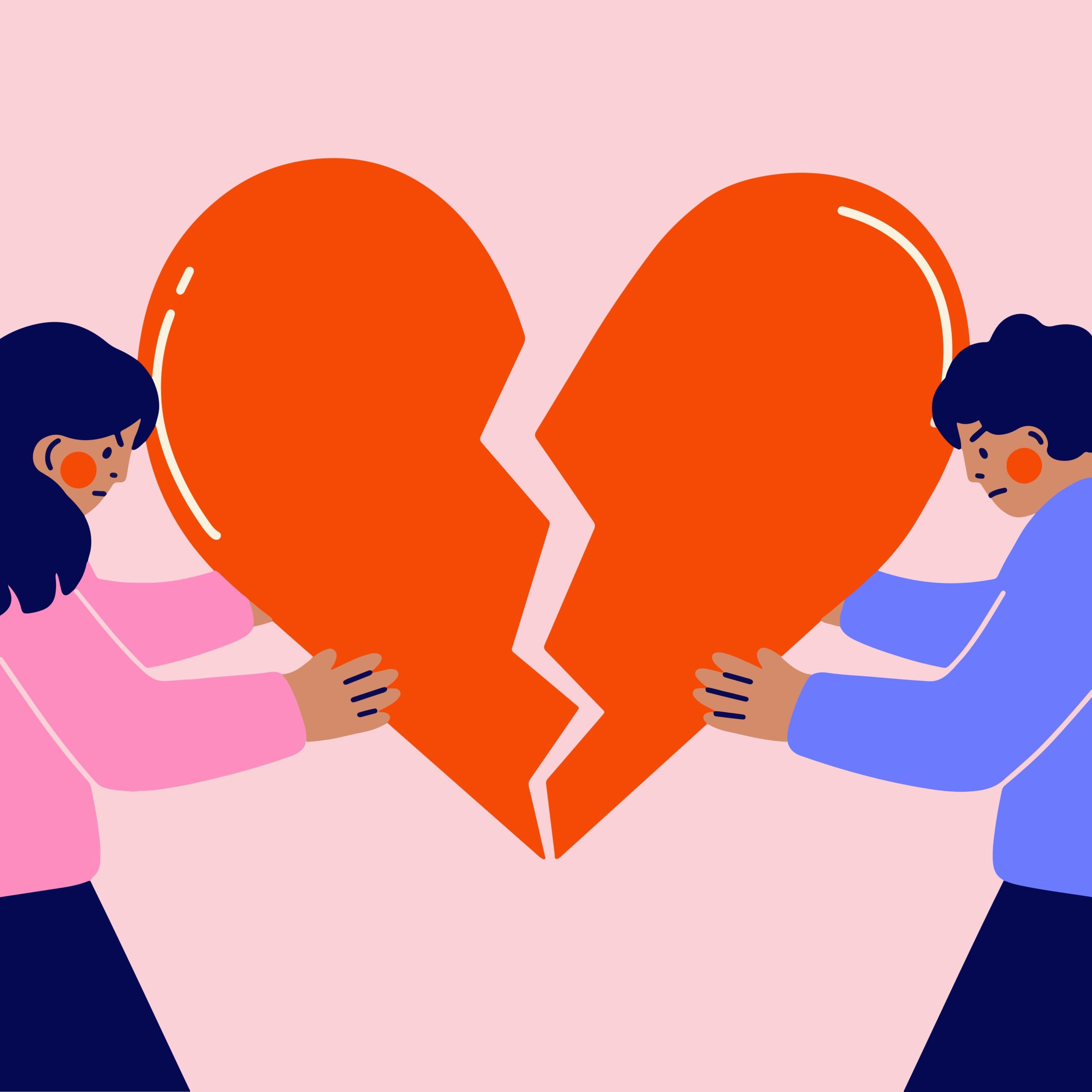
Unilaterally walking away from a fight can trigger a partner's abandonment issues. Terry Real advises contracting for breaks when calm, and during conflict, stating the reason for the break and a specific time of return. This turns a rupture into a structured pause.

When a partner discourages your ambitions, it's often not out of hate but a deep-seated fear that your personal growth will lead to you leaving them. This insecurity is the root cause to address.
What appears as outward aggression, blame, or anger is often a defensive mechanism. These "bodyguards" emerge to protect a person's inner vulnerability when they feel hurt. To resolve conflict, one must learn to speak past the bodyguards to the underlying pain.

People fundamentally desire similar things: respect, love, independence, and companionship. Conflict often stems not from different goals, but from the different ways these needs manifest. Seeing through the surface-level disagreement to the shared underlying need can transform an enemy into a fellow human.

Based on attachment theory, a common dysfunctional dating pattern occurs when an anxiously attached person (fearing abandonment) pursues an avoidantly attached person (fearing being smothered). Their behaviors reinforce each other's deepest fears, creating an unhappy loop.

When people slowly withdraw emotional investment from a relationship, it's not laziness or indifference. It's a self-protective mechanism. The nervous system concludes that vulnerability and connection have become too risky, often because a person feels unsafe or misunderstood. This triggers a gradual retreat to avoid further emotional harm.
By framing a perpetual issue as an external, inanimate pattern (e.g., a 'spender-saver' dynamic), partners can stop blaming each other. This shifts the focus from personal failings to a shared problem they can address collaboratively, fostering connection instead of disconnection.
Evolutionarily, pair-bonding is crucial for survival. Yet, in conflict, the immediate gratification of "winning" often feels more compelling than maintaining connection. Recognizing this internal conflict—"you can be right or you can be happy"—is key to prioritizing the relationship's long-term health.