Get your free personalized podcast brief
We scan new podcasts and send you the top 5 insights daily.
Many believe avoiding conflict preserves peace. Psychologist Colette Jane Fair argues this silence is a choice to abandon one's own needs. This behavior prevents your partner from truly understanding you, leading to resentment and disconnection over time, effectively teaching them an incomplete version of who you are.

Related Insights
One partner's aggressive 'fight' response (porcupine) triggers the other's defensive 'flight' response (turtle). This withdrawal intensifies the porcupine's pursuit, creating a frustrating and exhausting cycle where neither party's needs are met.
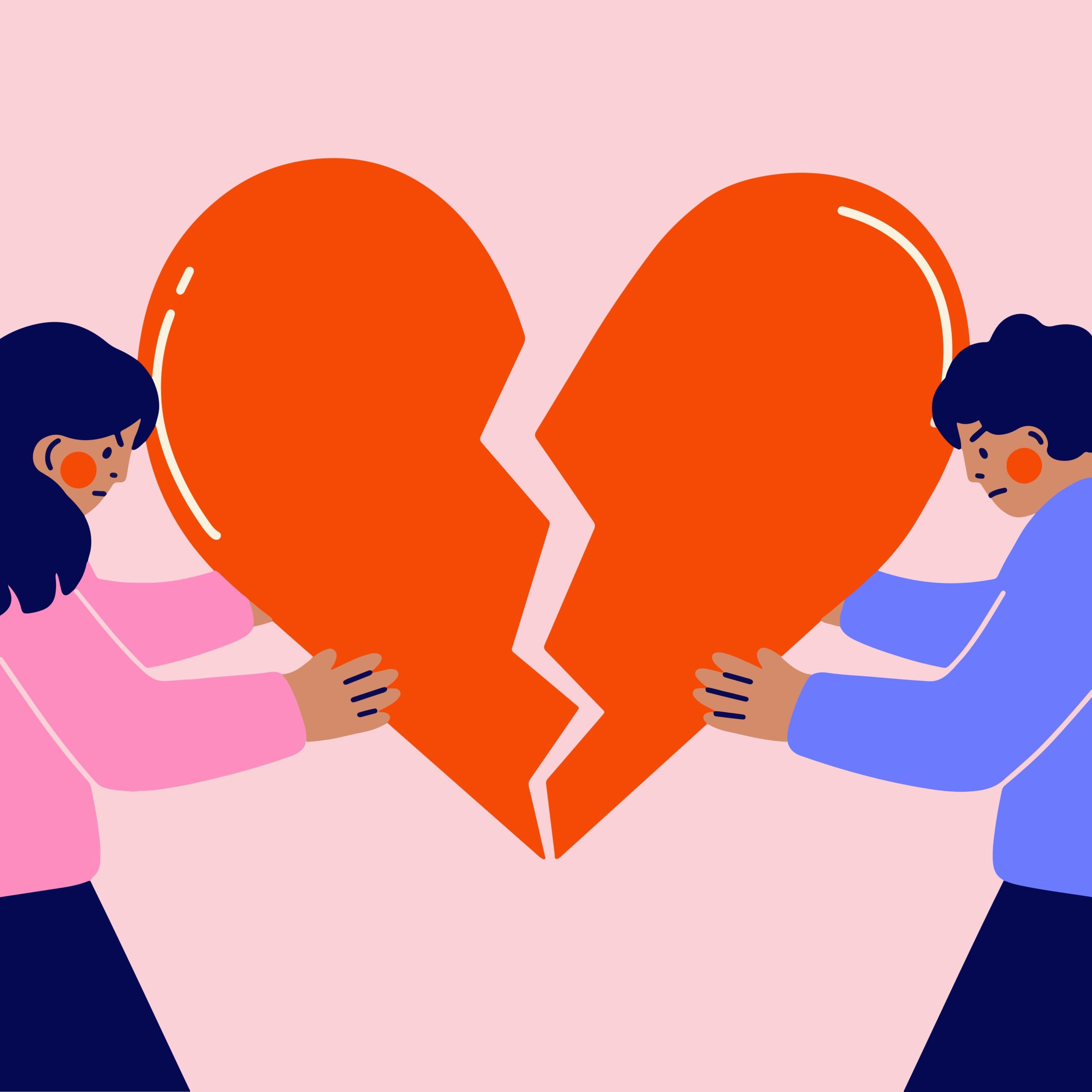
Contrary to the impulse to disconnect, maintaining attunement during conflict is a source of power. It enables you to accurately hear and understand the other person's position, preventing you from reacting to misperceptions. This clarity allows you to assert your own needs and arguments in a way that is more likely to be heard and have an impact.
The fear you feel before saying something difficult is a signal of its importance. Avoiding that conversation means you are prioritizing an imagined negative reaction over your own truth and the health of the connection. This avoidance is what allows resentment to build and ultimately damages relationships and organizations.

When people slowly withdraw emotional investment from a relationship, it's not laziness or indifference. It's a self-protective mechanism. The nervous system concludes that vulnerability and connection have become too risky, often because a person feels unsafe or misunderstood. This triggers a gradual retreat to avoid further emotional harm.
Failing to clearly communicate your needs and expectations to your partner is not a passive act; it actively sets them up to fail. By holding unspoken standards, you are essentially planning to feel resentful when your partner, who cannot read your mind, inevitably fails to meet them.
In relationship conflicts, one partner often pursues connection while the other withdraws. This isn't a personality clash but a reaction to fear. The pursuer's core fear is abandonment ("I'm losing you"), while the withdrawer's is inadequacy ("I'm failing you"). Identifying this shared pattern of fear, not the partner, as the problem is the key to resolution.
Evolutionarily, pair-bonding is crucial for survival. Yet, in conflict, the immediate gratification of "winning" often feels more compelling than maintaining connection. Recognizing this internal conflict—"you can be right or you can be happy"—is key to prioritizing the relationship's long-term health.

In difficult discussions, choosing not to respond is a powerful tool. It serves as a boundary on yourself to prevent a reactive, unhelpful comment and is a conscious choice when you recognize a conversation is unproductive. It's about control, not passivity.
People-pleasing is often a fear-based strategy, not genuine altruism. It's a form of manipulation used to control others' reactions to avoid personal discomfort, rejection, or conflict. This disconnects you from your own needs and can lead to resentment and exhaustion.

Conflict avoidance is not a sign of a healthy relationship. True intimacy is built through cycles of 'rupture and repair,' where disagreements are used as opportunities for deeper understanding. A relationship without conflict may be fragile, as its ability to repair has never been tested.