Get your free personalized podcast brief
We scan new podcasts and send you the top 5 insights daily.
Frequently isolating yourself or ending friendships over minor issues is a defense mechanism rooted in a lack of self-worth. It's an attempt to avoid potential emotional hurt, not a sign of maintaining high standards for your social circle.

Related Insights
When people feel they don't matter, they may act withdrawn or hostile. Others perceive this as standoffishness and pull away, which validates the original feeling of insignificance. This creates a vicious cycle that deepens social isolation.
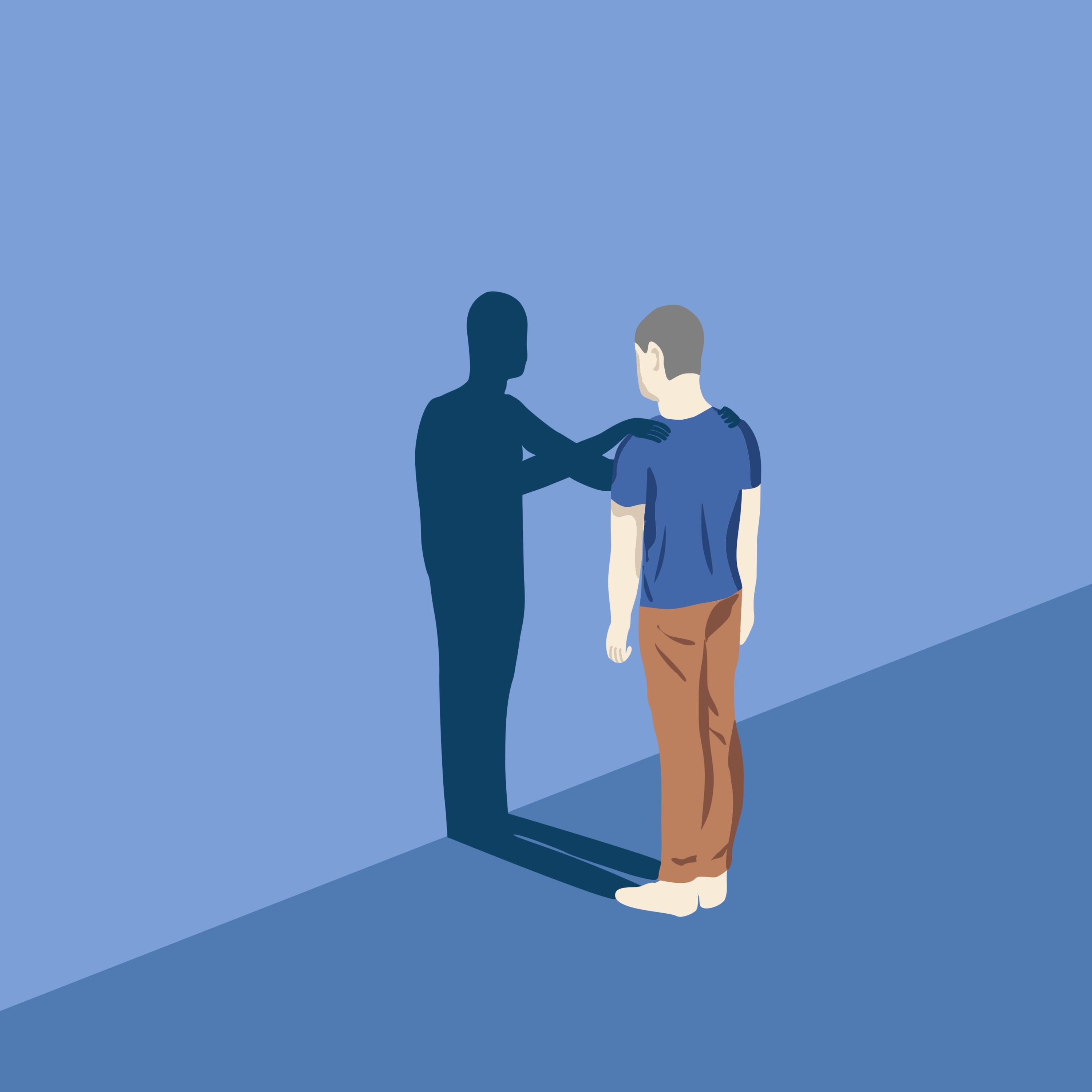
A core paradox of perfectionism is that the behaviors used to gain acceptance—such as curating a flawless image, promoting oneself, or hiding vulnerabilities—are precisely what make others pull back. This self-defeating strategy ensures the loneliness and disconnection the perfectionist fears most, creating a tragic feedback loop.

When people slowly withdraw emotional investment from a relationship, it's not laziness or indifference. It's a self-protective mechanism. The nervous system concludes that vulnerability and connection have become too risky, often because a person feels unsafe or misunderstood. This triggers a gradual retreat to avoid further emotional harm.

The quality of your external relationships is a direct reflection of your relationship with yourself. Before choosing friends or being a good friend, you must understand your own values and needs. A lack of self-love manifests as judgment and imbalance in friendships, as we act as mirrors for one another.

In a study, individuals with low self-esteem who believed their partners were listing their faults reacted defensively by devaluing their partners. This creates a downward spiral where perceived criticism leads to pre-emptive emotional attacks.

Constant people-pleasing, trying to fit in, or proving your worth are not acts of kindness but symptoms of a core belief of unworthiness. It's an unconscious strategy to get others to validate your existence and tell you who you are because you don't feel complete on your own.

Constantly feeling let down by people is a symptom of your own issues, not theirs. It often points to an inflated ego, deep-seated insecurity, and the tendency to place unrealistic expectations on others. The solution is internal reflection, not external blame.
When someone withdraws after you show love, it often reflects their own self-esteem, not you. They don't see themselves as lovable, so their internal question becomes, "What is wrong with you that you like me?"
Having low self-esteem creates a significant barrier to feeling loved. It's not just about an inability to love oneself; it actively filters perception, making you distrust, disbelieve, or fail to even notice when others are genuinely expressing care and affection for you.
The root cause of most relationship issues is not the other person, but your own inability to handle difficult emotions like stress, disappointment, or hurt. Instead of processing these feelings internally, you expel them onto your partner through blame, a harsh tone, or withdrawal. Healing begins with regulating your own emotional state.