Get your free personalized podcast brief
We scan new podcasts and send you the top 5 insights daily.
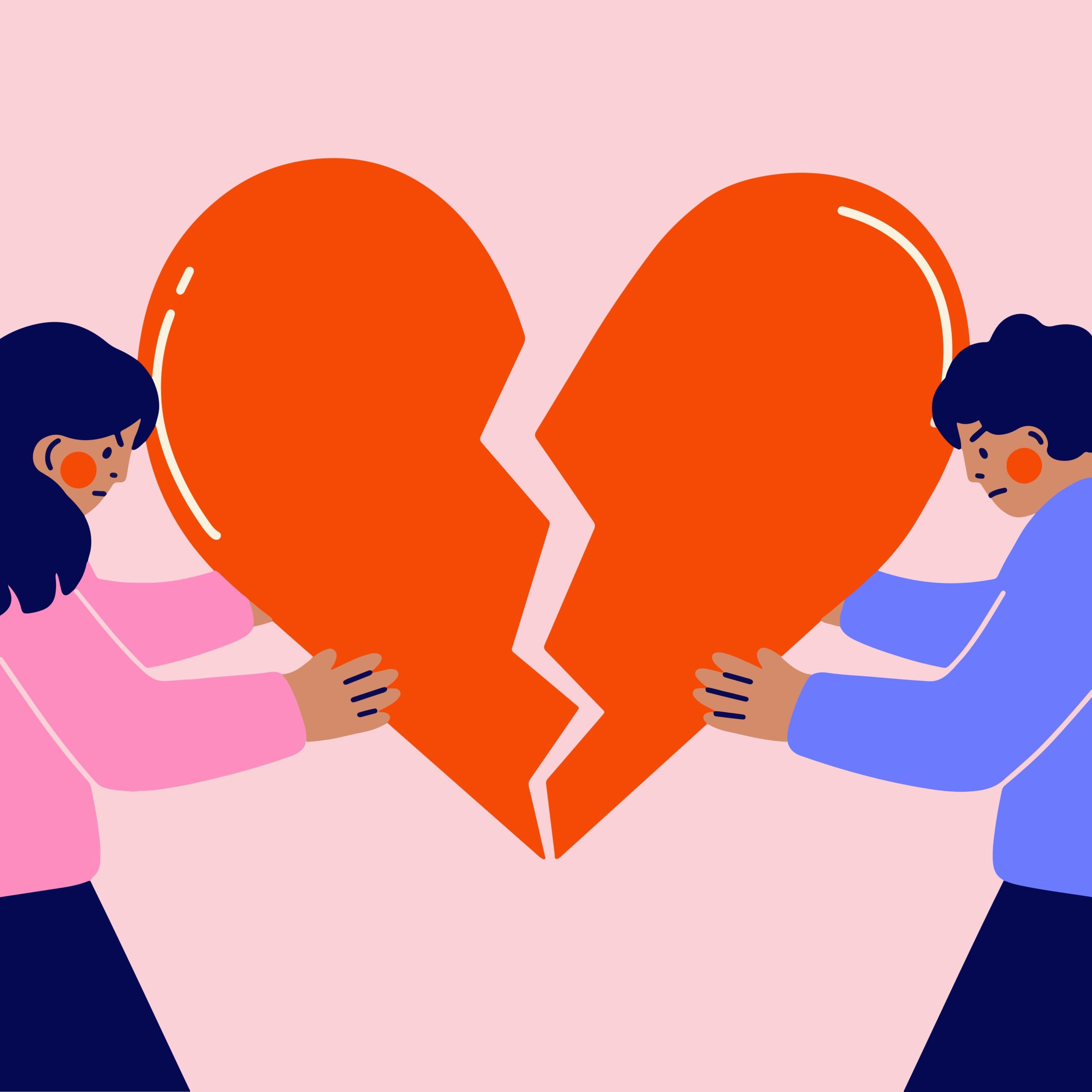
The root cause of most relationship issues is not the other person, but your own inability to handle difficult emotions like stress, disappointment, or hurt. Instead of processing these feelings internally, you expel them onto your partner through blame, a harsh tone, or withdrawal. Healing begins with regulating your own emotional state.

Related Insights
The difficulty in a conversation stems less from the topic and more from your internal thoughts and feelings. Mastering conflict requires regulating your own nervous system, reframing your perspective, and clarifying your motives before trying to influence the other person.
What appears as outward aggression, blame, or anger is often a defensive mechanism. These "bodyguards" emerge to protect a person's inner vulnerability when they feel hurt. To resolve conflict, one must learn to speak past the bodyguards to the underlying pain.

In relationship conflicts, one partner often pursues connection while the other withdraws. This isn't a personality clash but a reaction to fear. The pursuer's core fear is abandonment ("I'm losing you"), while the withdrawer's is inadequacy ("I'm failing you"). Identifying this shared pattern of fear, not the partner, as the problem is the key to resolution.

A listener realized her intolerance for her partner's moderate drinking was rooted in her experience with her alcoholic father. The work was not to change her partner, but to explore her own sensitivities. Often, what bothers us most in others points to our own unresolved vulnerabilities.

Based on a Zen story, "eating the blame" involves proactively apologizing for your part in a conflict, even when you feel your partner is more at fault. This emotionally counter-intuitive act breaks the cycle of defensiveness and creates space for resolution, making it a highly agentic move.
Many arguments are a cycle where one person, feeling shame, throws it at their partner through criticism or blame. The second person, now feeling attacked and ashamed, defends themselves in a way that feels like an attack back. They are just passing the "shame hot potato" back and forth without resolving the underlying feeling.

Constantly feeling let down by people is a symptom of your own issues, not theirs. It often points to an inflated ego, deep-seated insecurity, and the tendency to place unrealistic expectations on others. The solution is internal reflection, not external blame.

If you consistently feel bitterness or resentment in a relationship, the root cause isn't the other person's taking; it's your failure to establish and enforce clear boundaries. The negative emotion serves as a personal alarm signaling a need for self-advocacy.

Many believe avoiding conflict preserves peace. Psychologist Colette Jane Fair argues this silence is a choice to abandon one's own needs. This behavior prevents your partner from truly understanding you, leading to resentment and disconnection over time, effectively teaching them an incomplete version of who you are.
Couples in conflict often appear to be poor communicators. However, studies show these same individuals communicate effectively with strangers. The issue isn't a skill deficit, but a toxic emotional environment within the relationship that inhibits their willingness to collaborate.