Get your free personalized podcast brief
We scan new podcasts and send you the top 5 insights daily.
Luxury brands face a crisis as internal pressure to increase profit multiples from ~8x manufacturing cost to 12-15x forces a shift away from artisanal craftsmanship to mass production, undermining the very quality that justifies their premium prices.

Related Insights
Brands are now combining price hikes with "shrinkflation," a tactic dubbed "maximiniflation." Milka chocolate, for example, raised its price and reduced its bar size, causing a 20% sales drop in Germany. Consumers are now hyper-aware of these dual tactics, making it a critical risk for brand reputation.

Legacy luxury brands were slow to integrate practical features like stretch fabrics or waterproofing, viewing them as down-market. Norwegian Wool's success proves today's high-end consumer demands that performance and comfort be fused with luxury, not treated as a contradiction.

A restaurateur reveals the dramatic, unseen impact of inflation. While he raised the price of his fries from $9 to $12 since 2019, maintaining the original profit margin would require charging $25 today. This illustrates how businesses are absorbing massive cost increases, squeezing their profitability.

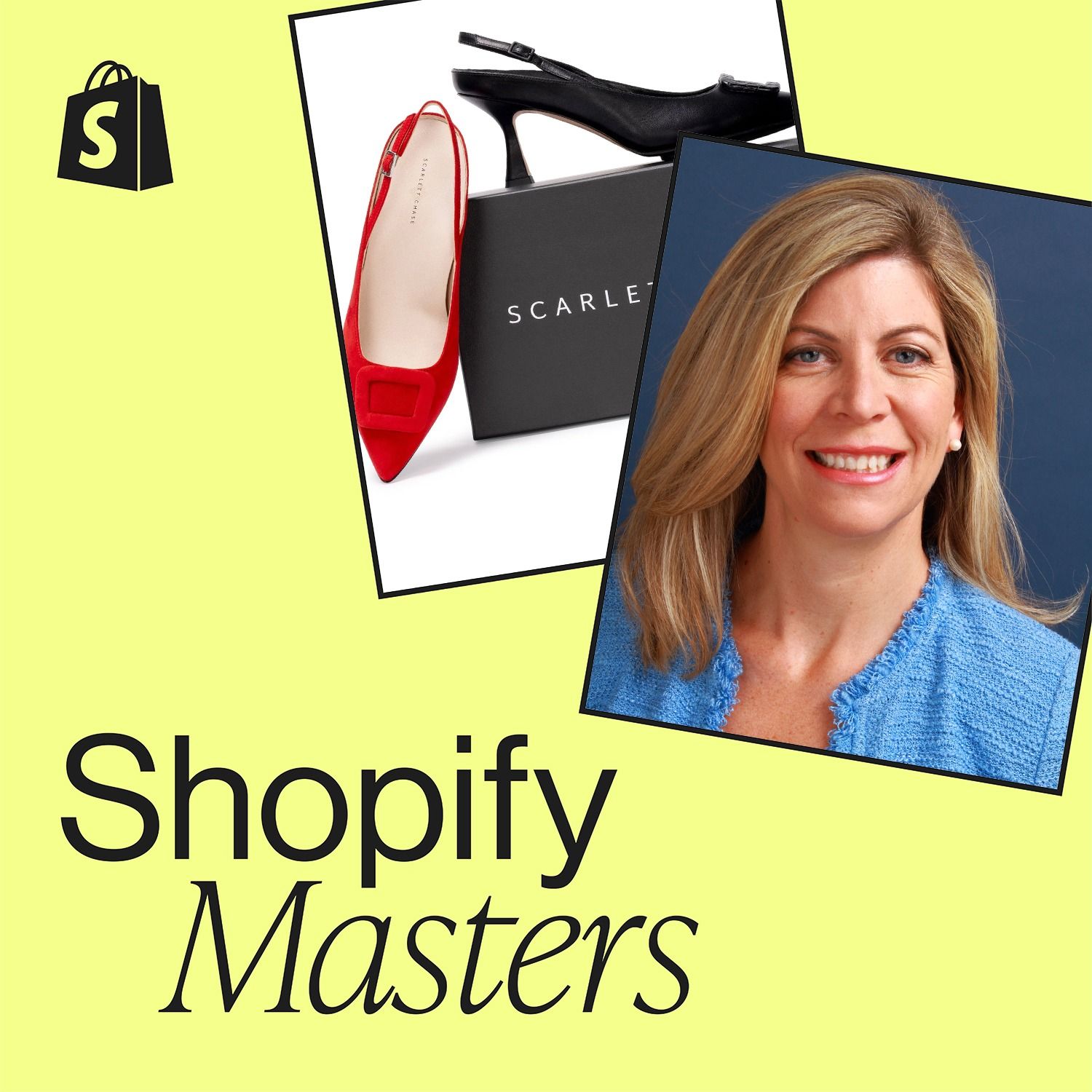
Instead of lowering prices to capture a wider audience, Scarlet Chase embraces a high-end niche. The founder's philosophy is that diluting the product's quality for broader appeal is a mistake. The strategy is to deliver exceptional value to a focused group of customers who can afford and appreciate the investment.
For luxury brands, raising prices is a strategic tool to enhance brand perception. Unlike mass-market goods where high prices deter buyers, in luxury, price hikes increase desirability and signal exclusivity. This reinforces the brand's elite status and makes it more coveted.
Luxury travel brands can avoid commoditization by emulating Hermès. This involves maintaining scarcity (like waiting lists for bags), implementing moderate and sensible price increases, and preserving an exclusive, high-touch customer experience. This strategy builds long-term brand value over short-term volume growth.

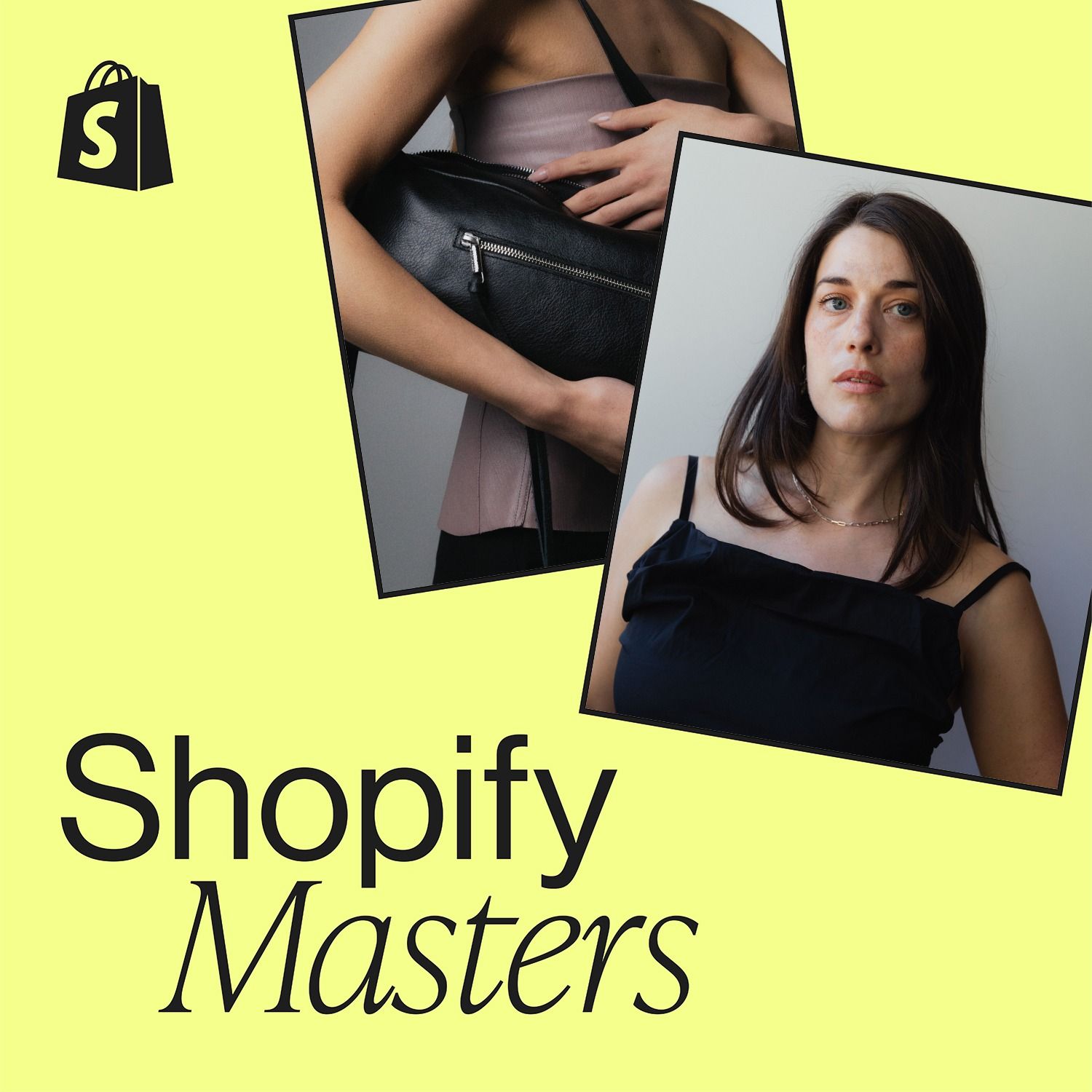
By eliminating seasonal colors to focus only on her bestseller—black—handbag brand Sonya Lee could place larger bulk leather orders. This allowed her to bypass wholesalers and source directly from a premium tannery, dramatically improving margins, ensuring material traceability, and making capital more efficient.
Innovating in a traditional sector requires a two-front battle. While educating consumers is an expected challenge, the founder of Scarlet Chase found an equal, if not greater, hurdle in convincing her high-end Italian manufacturing partners to integrate 'bulky' orthotics and rubber soles into their traditional luxury shoemaking process.
As luxury brands consolidate into huge corporations, they face a paradox: their prestige relies on exclusivity, but their business models require mass-market scale. The solution is a new paradigm where status is framed as inclusive and 'for everyone,' turning the concept of prestige proletarian.

As AI-generated content becomes ubiquitous, a counter-movement will establish "100% human-generated" as a premium, luxury status symbol. This "artisanal anti-AI" trend will manifest as certifications and exclusive networks, appealing to consumers who value authenticity and human craftsmanship.
