Get your free personalized podcast brief
We scan new podcasts and send you the top 5 insights daily.
Luxury travel brands can avoid commoditization by emulating Hermès. This involves maintaining scarcity (like waiting lists for bags), implementing moderate and sensible price increases, and preserving an exclusive, high-touch customer experience. This strategy builds long-term brand value over short-term volume growth.

Related Insights
Brands should be transparent about price increases due to external factors like tariffs. Unlike airlines that permanently added fees, businesses that remove surcharges when costs decrease build long-term trust and avoid commoditization.

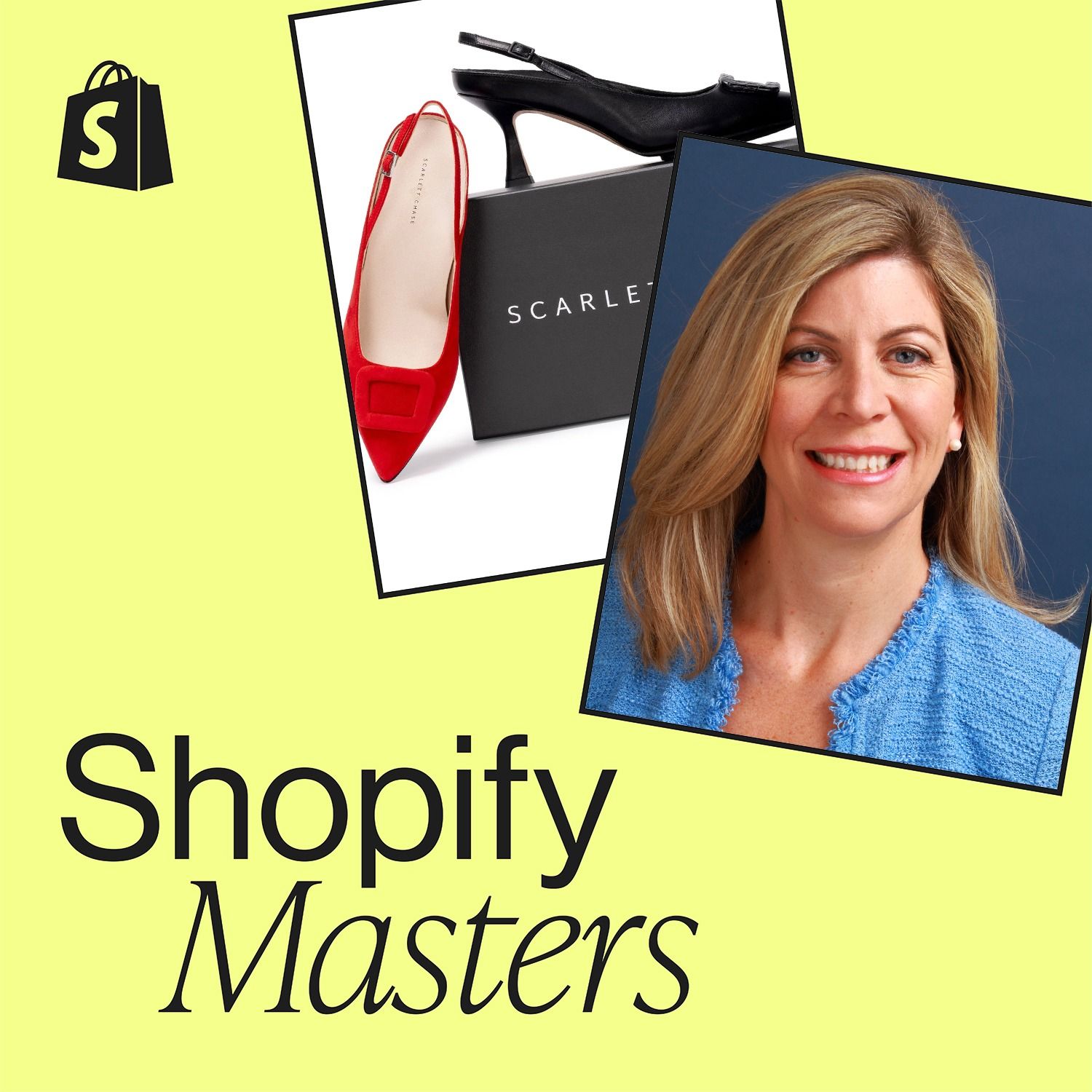
Instead of lowering prices to capture a wider audience, Scarlet Chase embraces a high-end niche. The founder's philosophy is that diluting the product's quality for broader appeal is a mistake. The strategy is to deliver exceptional value to a focused group of customers who can afford and appreciate the investment.
For luxury brands, raising prices is a strategic tool to enhance brand perception. Unlike mass-market goods where high prices deter buyers, in luxury, price hikes increase desirability and signal exclusivity. This reinforces the brand's elite status and makes it more coveted.
Starbucks' limited-edition items, like a "bearista" cup selling for $500 on eBay, create massive hype through engineered scarcity. This strategy shows that for certain brands, limited-run physical goods can be a more potent marketing tool than the core product itself, fostering a collector's frenzy and a lucrative secondary market.

Pricing power allows a brand to raise prices without losing customers, effectively fighting the economic principle that demand falls as price rises. This is achieved by creating a brand perception so strong that consumers believe there is no viable substitute.
For the first time, Coach led its Black Friday and holiday season with brand messaging, not promotions. This reflects a conviction that building genuine brand desire reduces the need to compromise on price, even during peak sales periods, thus protecting brand value.

Even if rarely purchased, a premium one-on-one offer serves as a powerful value anchor. Its high price tag transfers a degree of perceived value to your more accessible, scalable products. To work, you must confront the high price directly with prospects before offering a downsell.

By pursuing aspirational, "one-off" customers instead of focusing exclusively on the ultra-wealthy, the luxury travel sector is expanding into a fragile market segment. This strategy mirrors the over-expansion that made luxury goods brands vulnerable to economic downturns and brand dilution.
As luxury brands consolidate into huge corporations, they face a paradox: their prestige relies on exclusivity, but their business models require mass-market scale. The solution is a new paradigm where status is framed as inclusive and 'for everyone,' turning the concept of prestige proletarian.

In a market obsessed with speed and instant gratification, luxury brand Zania positions slowness as the ultimate premium. Their made-to-measure suits take weeks, signaling craftsmanship and exclusivity. Time itself becomes the luxury product being sold.