Get your free personalized podcast brief
We scan new podcasts and send you the top 5 insights daily.
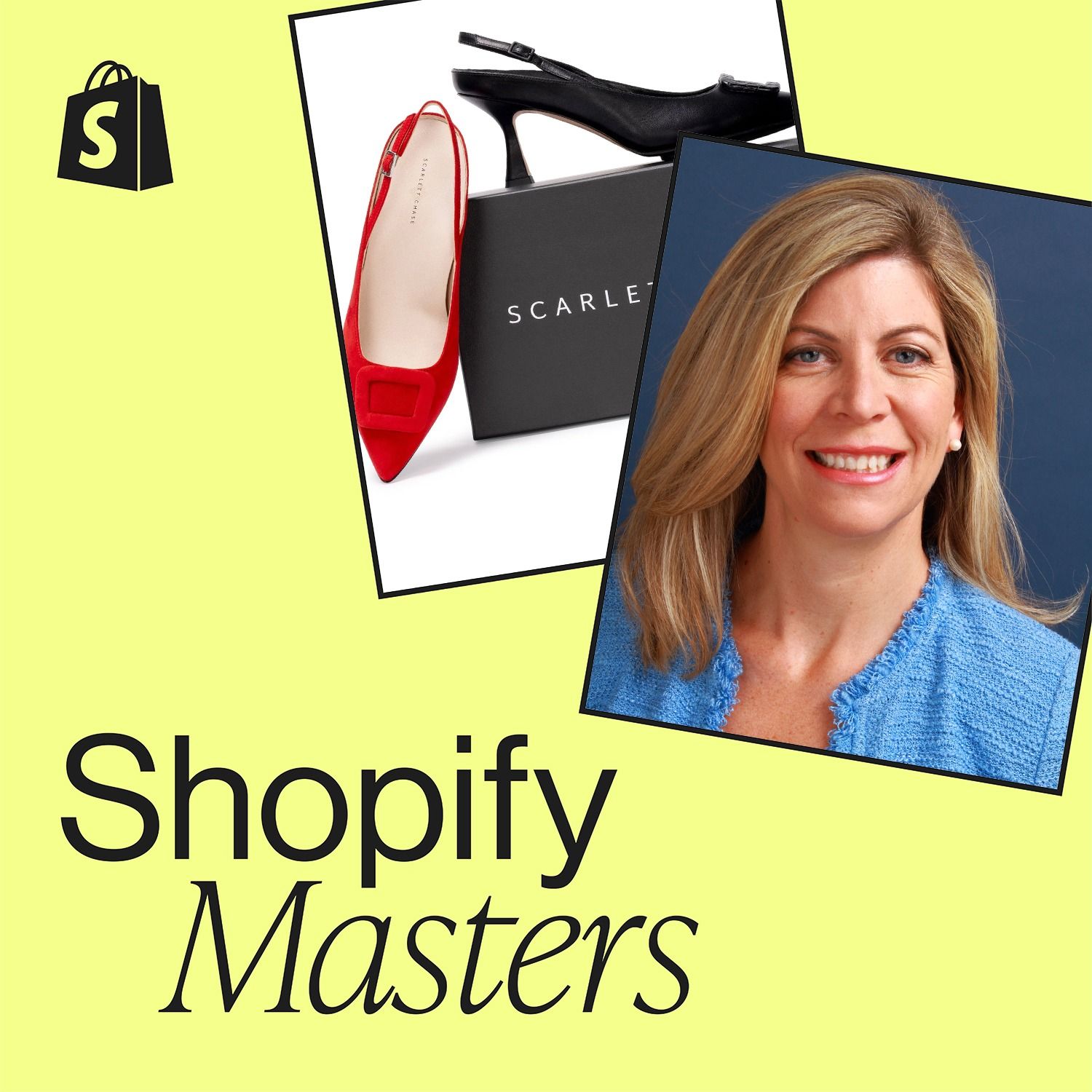
Innovating in a traditional sector requires a two-front battle. While educating consumers is an expected challenge, the founder of Scarlet Chase found an equal, if not greater, hurdle in convincing her high-end Italian manufacturing partners to integrate 'bulky' orthotics and rubber soles into their traditional luxury shoemaking process.
Related Insights
A unique downside of a genuinely great product is that glowing testimonials can set impossibly high expectations. The founder worries that new customers, hearing the shoes are 'amazing,' might feel let down if their experience is merely 'great' but not life-changing, a phenomenon she likens to seeing an overhyped movie.
A coach's criticism about athletes training barefoot—a threat to a shoe company—sparked an "aha moment." Instead of dismissing it, Nike innovated by creating a shoe that replicated the benefits of barefoot running, thereby capturing the user's intent and creating a new product category.

Counterintuitively, adding memory foam under a high heel's heel is ineffective for comfort. The founder of Scarlet Chase discovered the real solution is elevating the forefoot. This engineering changes the shoe's pitch, shifting the wearer's weight off the ball of the foot, which is the primary source of pain.
Instead of lowering prices to capture a wider audience, Scarlet Chase embraces a high-end niche. The founder's philosophy is that diluting the product's quality for broader appeal is a mistake. The strategy is to deliver exceptional value to a focused group of customers who can afford and appreciate the investment.
The founder reconciles the high price of her luxury shoes by positioning them as a solution that removes a major distraction for successful women. By eliminating foot pain, the shoes allow these high-impact individuals to focus their energy on more important work, making the product an investment in their overall effectiveness.
The founder understood that women wear heels for the look, despite the pain. Any comfort-focused innovation that compromised on aesthetics would fail. The product had to be a "perfect dupe" for a traditional heel to solve the actual problem, not just create a "weird looking shoe."
When introducing a disruptive model, potential partners are hesitant to be the first adopter due to perceived risk. The strategy is to start with small, persistent efforts, normalizing the behavior until the advantages become undeniable. Innovation requires a patient strategy to overcome initial industry inertia.

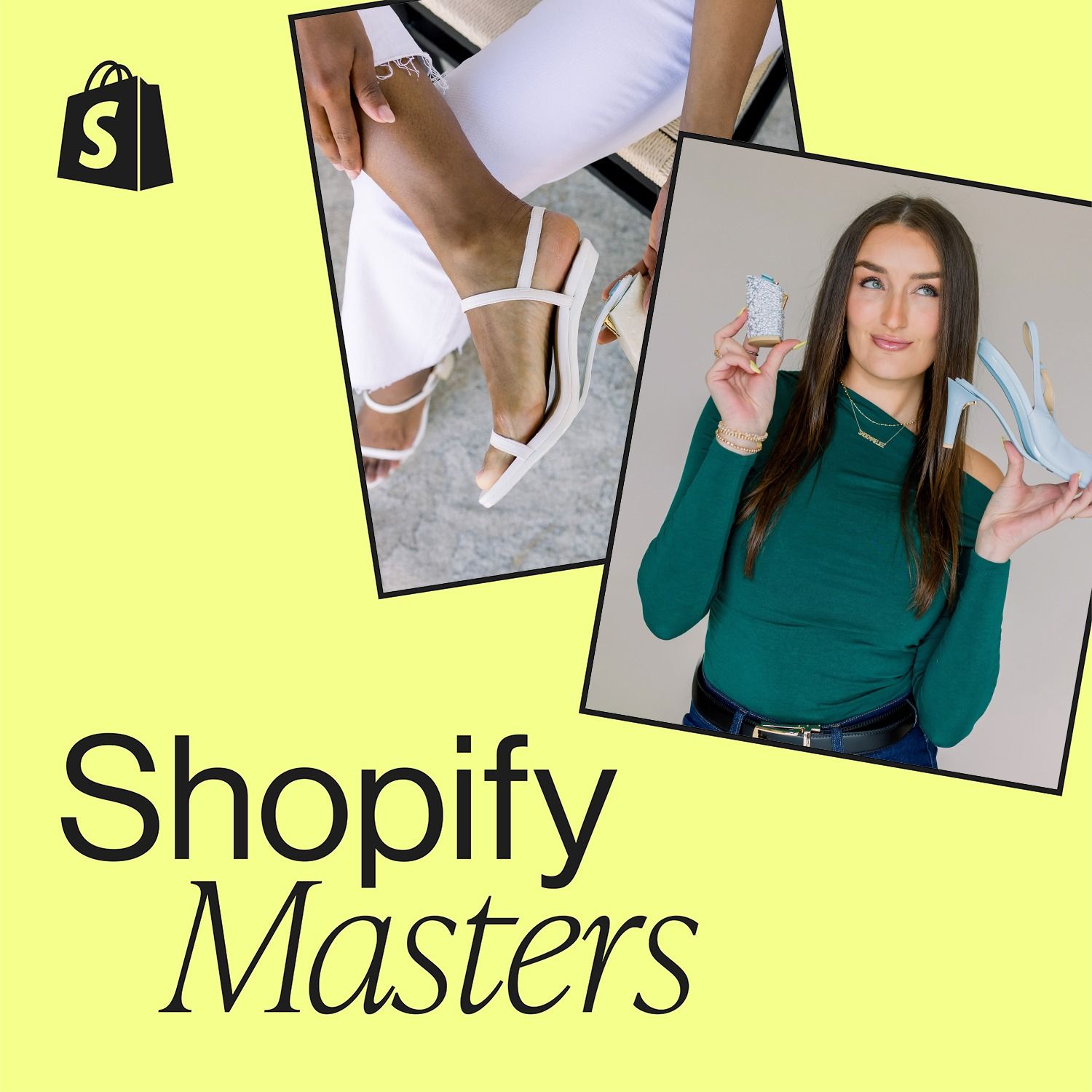
Founder Haley Pavoni realized previous convertible heel attempts failed because they only addressed the removable heel. The key innovation was creating a flexible midsole with a removable support shank, allowing the shoe to properly function as both a stylish heel and a comfortable flat.
The company initially focused on heels but discovered that women who switched to flats to avoid pain were experiencing other issues, like backaches. This led to the realization that proper orthopedic support is just as crucial in flat shoes, a market often overlooked for performance features, creating a new product line opportunity.
Unable to find footwear experts online, founder Haley Pavoni drove to a premier biomechanical testing firm. She walked in, pitched her idea to the CEO, and immediately got a shortlist of the exact development partners she needed, bypassing months of searching.