Get your free personalized podcast brief
We scan new podcasts and send you the top 5 insights daily.
Legacy luxury brands were slow to integrate practical features like stretch fabrics or waterproofing, viewing them as down-market. Norwegian Wool's success proves today's high-end consumer demands that performance and comfort be fused with luxury, not treated as a contradiction.

Related Insights
Norwegian Wool's founder, a Wall Street trader, succeeded because he solved a problem (warm but stylish coats) that the insulated fashion world didn't see. True innovation often requires an external perspective that understands the end-user's actual pain points.
The entry of fashion-first brands like Skims, J.Crew, and Alo Yoga into ski apparel reflects skiing's transformation from a casual hobby into a luxury lifestyle choice. High costs and consolidation have made it an all-in commitment, similar to sailing or horseback riding, attracting brands that sell an image, not just gear.

Avoid the middle ground. On Running learned that designing for a "hybrid" persona who moves from the gym to a cafe leads to compromises. It's better to create a best-in-class performance product that people choose to wear for style, rather than a watered-down product that serves neither purpose well.

Inspired by the "Mad Men" 'It's Toasted' pitch, Norwegian Wool markets its production processes, like letting fabric rest for a month. These details, often taken for granted internally, become powerful narrative tools that convey quality, craftsmanship, and a compelling story to customers.
Norwegian Wool avoids inflating prices just to offer discounts later. By maintaining price integrity, they build trust with customers who know they're paying the "real price." This prevents buyer's remorse and reinforces the brand's premium, high-value positioning.
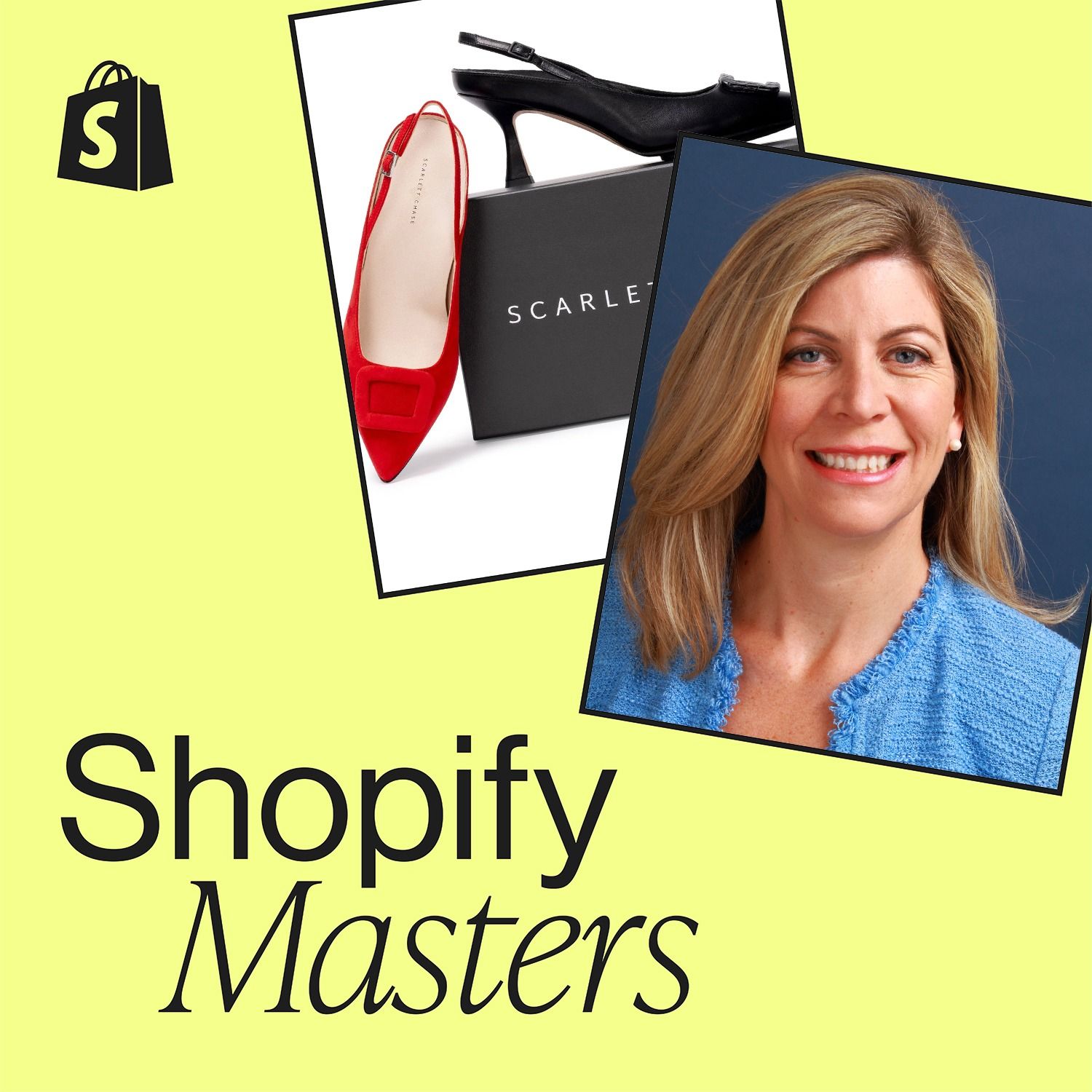
Innovating in a traditional sector requires a two-front battle. While educating consumers is an expected challenge, the founder of Scarlet Chase found an equal, if not greater, hurdle in convincing her high-end Italian manufacturing partners to integrate 'bulky' orthotics and rubber soles into their traditional luxury shoemaking process.
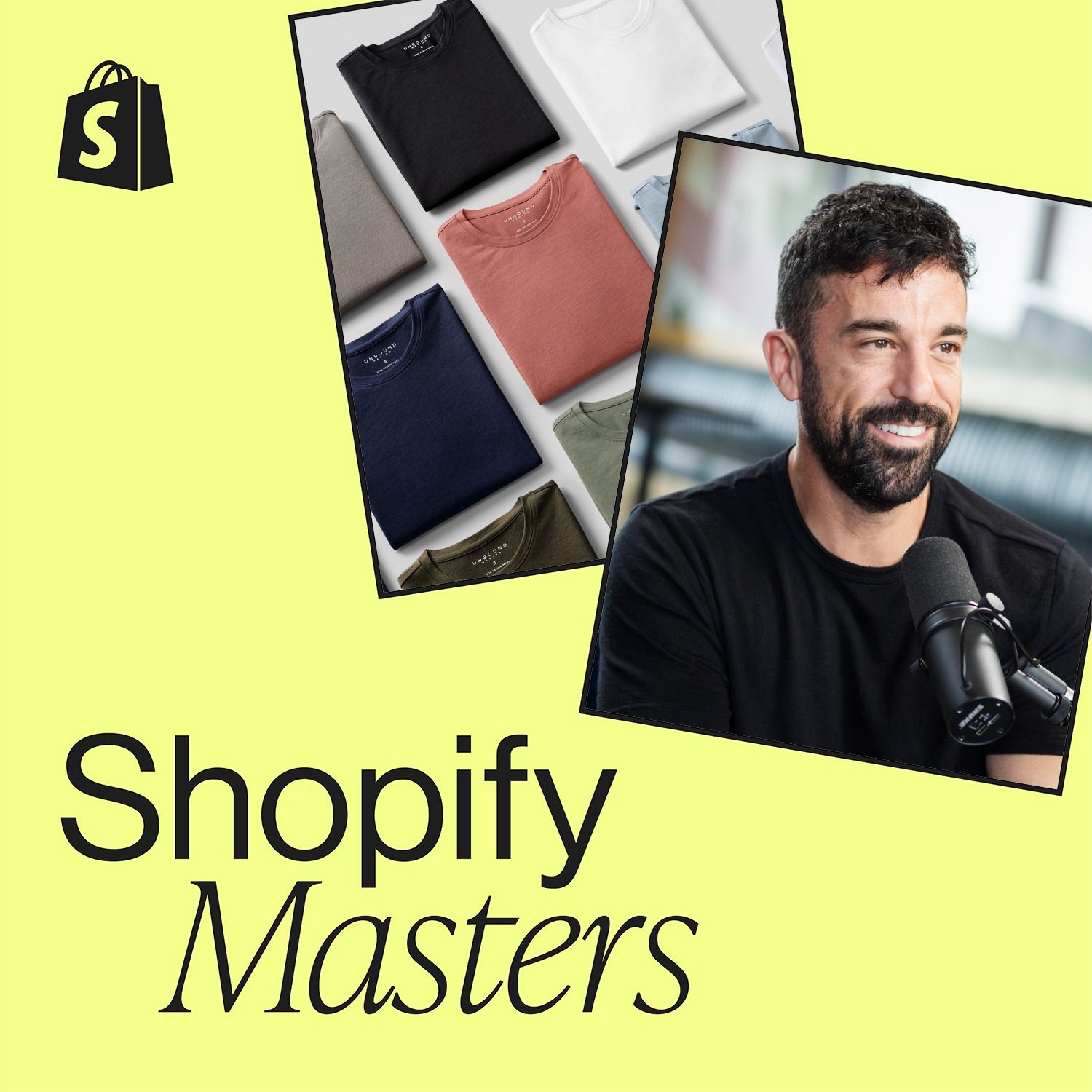
The idea for Unbound Merino came from the founder's own frustrating search for stylish, high-performance travel clothing. When he couldn't find what he wanted, he created it, correctly betting that many others shared his specific problem.
As luxury brands consolidate into huge corporations, they face a paradox: their prestige relies on exclusivity, but their business models require mass-market scale. The solution is a new paradigm where status is framed as inclusive and 'for everyone,' turning the concept of prestige proletarian.

Gymshark's key product differentiator wasn't just performance, but aesthetics. They obsessed over creating 'physique accentuating' fits that made customers look and feel better. This tapped into the core emotional motivation of their gym-going audience, creating a stronger brand connection than purely functional apparel.

Instead of just creating an 'athleisure' line because it's popular, Hanes identified specific problems—like chafing—that consumers experience during movement. They then designed products with features like anti-chafe panels, directly linking innovation to their core brand promise of comfort.
