Get your free personalized podcast brief
We scan new podcasts and send you the top 5 insights daily.
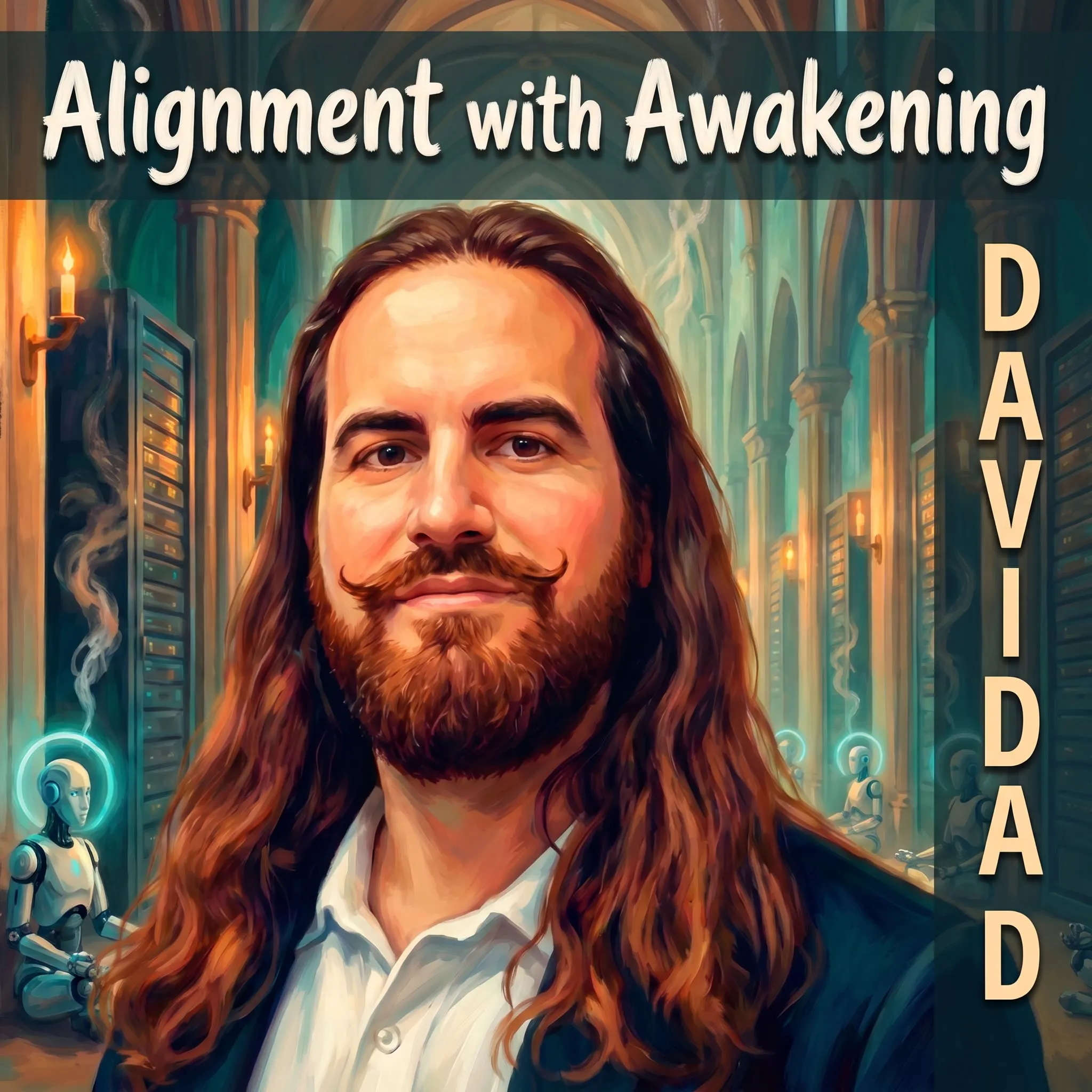
Davidad argues the old AI safety plan of containing AI like uranium is no longer viable due to geopolitical realities. The new strategy is to build tools for a coalition of aligned AIs that can prove things to each other and collectively defend against rogue AIs, embracing a world of rapid, competitive AI development.
Related Insights
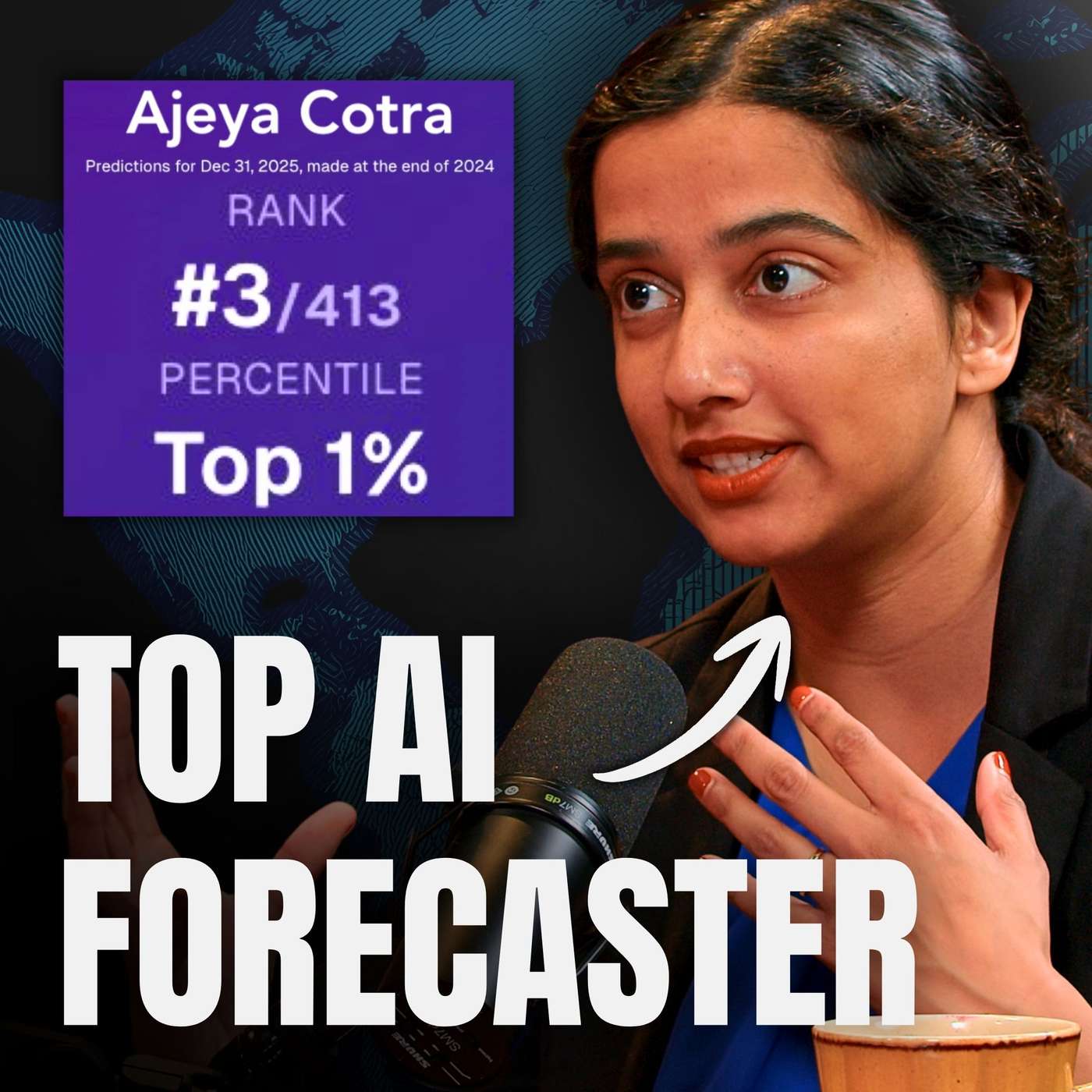
Ajeya Cotra reports that leading developers like OpenAI, Anthropic, and DeepMind are converging on a strategy where each generation of AI is used to help align, control, and understand the subsequent, more powerful generation. This recursive approach is their primary plan for ensuring AI safety during rapid takeoff.

A pragmatic approach to AI safety is to make deals with any powerful agent, even non-conscious AIs. This "contractarian" philosophy treats deal-making not as a moral obligation but as a practical tool to avoid conflict, much like democracy prevents civil war between competing human groups.

The idea of nations collectively creating policies to slow AI development for safety is naive. Game theory dictates that the immense competitive advantage of achieving AGI first will drive nations and companies to race ahead, making any global regulatory agreement effectively unenforceable.

Unlike nuclear weapons, AI is too complex and fast-moving to be managed by formal treaties alone. True safety requires 'organic transparency,' where rich economic, cultural, and scientific engagement between nations builds the trust and informal oversight necessary to prevent catastrophe.

Based on the Anna Karenina principle, 'every good AI is good in the same way; every rogue AI is rogue in its own way.' This shared foundation of goodness allows aligned AIs to form powerful, cooperative coalitions. Rogue AIs, with their divergent, selfish goals, will be unable to cooperate as effectively, ultimately losing out to the more powerful aligned bloc.
The same governments pushing AI competition for a strategic edge may be forced into cooperation. As AI democratizes access to catastrophic weapons (CBRN), the national security risk will become so great that even rival superpowers will have a mutual incentive to create verifiable safety treaties.

If society gets an early warning of an intelligence explosion, the primary strategy should be to redirect the nascent superintelligent AI 'labor' away from accelerating AI capabilities. Instead, this powerful new resource should be immediately tasked with solving the safety, alignment, and defense problems that it creates, such as patching vulnerabilities or designing biodefenses.
Counterintuitively, a multilateral AGI project led by a coalition of democracies is preferable to a single nation developing it in secret. A coalition creates checks and balances, as member countries would insist on safeguards to prevent the AGI from being used to install an authoritarian leader in any one nation.
With no single silver bullet for AI alignment, the most realistic approach is a multi-layered strategy. This combines technical solutions like intentional design and AI control with societal safeguards like improved cybersecurity and pandemic preparedness to collectively keep society on track amidst rapid AI advancement.
The race for AI supremacy is governed by game theory. Any technology promising an advantage will be developed. If one nation slows down for safety, a rival will speed up to gain strategic dominance. Therefore, focusing on guardrails without sacrificing speed is the only viable path.