Get your free personalized podcast brief
We scan new podcasts and send you the top 5 insights daily.
When Surfing Cow's orders surged, the immediate advice was to find a co-manufacturer. The biggest risk for a viral product is not slow growth, but operational collapse from being unable to fulfill orders, which permanently damages brand reputation.

Related Insights
Topo Chico's hyper-local popularity in Texas created national demand that its specialized mineral well production couldn't handle, leading to a shortage. This is a cautionary tale for CPG brands: when a product with a cult following goes mainstream, its niche supply chain can quickly become a critical vulnerability.

Instead of starting in a kitchen, CPG entrepreneur Emma Hernan bought a manufacturing facility first. This generated revenue by co-packing for other brands, secured her own supply chain, and created multiple income streams from a single asset before her product even launched.

To land a large retail contract (e.g., Whole Foods), a brand must prove it can produce at scale. However, investing in scaling operations is a massive financial risk without a guaranteed contract, creating a critical strategic impasse for growing brands.

After a disastrous first run with a U.S. manufacturer, Wild Rye pivoted overseas. Counterintuitively, they found Chinese partners offered superior quality, sophisticated machinery, and a proactive partnership approach—even flagging potential issues pre-production. They were also more willing to work with a small brand's lower order quantities.
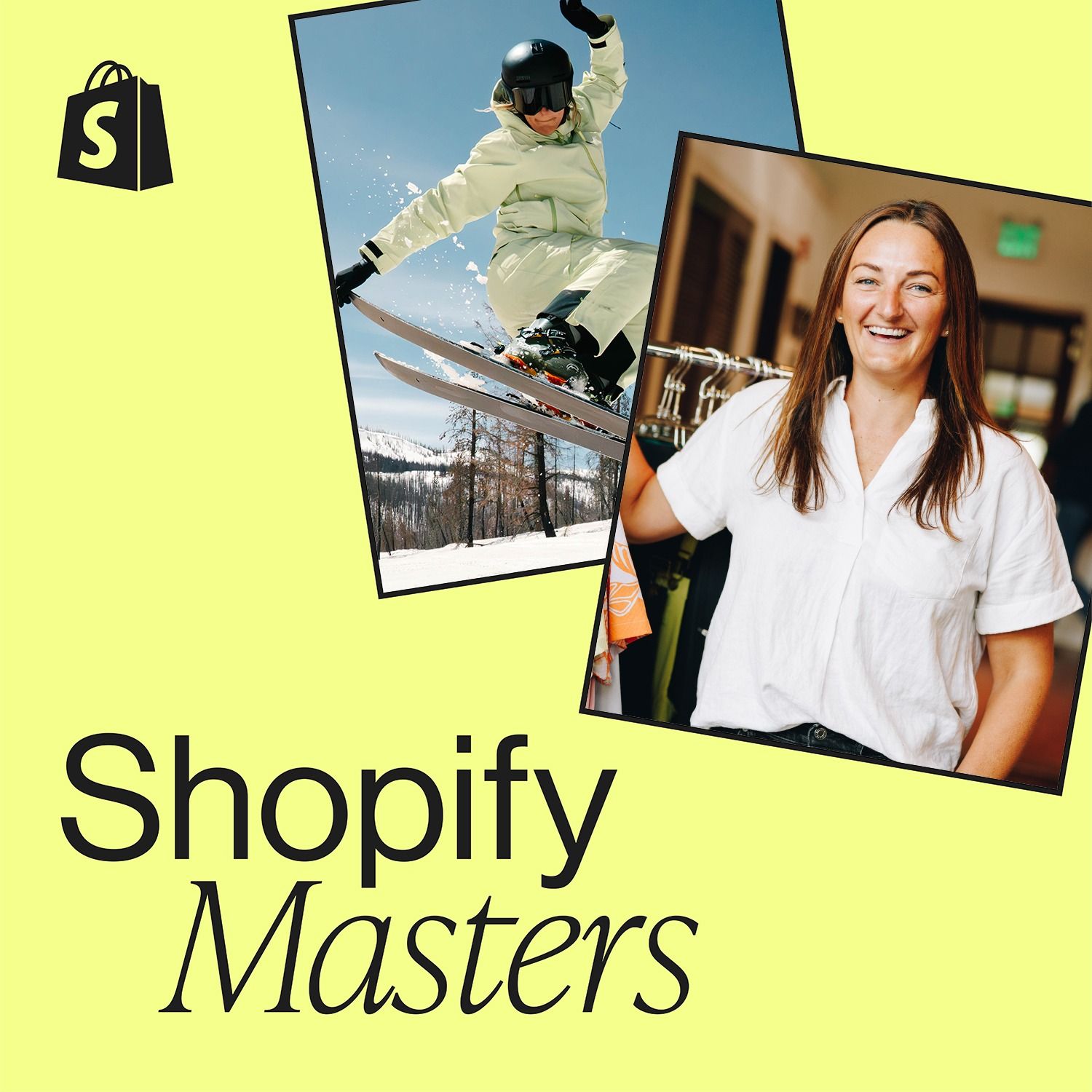
For D2C fashion brands, the inability of third-party suppliers to quickly fulfill reorders on trending products is a key trigger for vertical integration. Larroudé's co-founder realized the cost of one large factory order was equivalent to buying the machinery himself, enabling them to meet demand in weeks, not months.
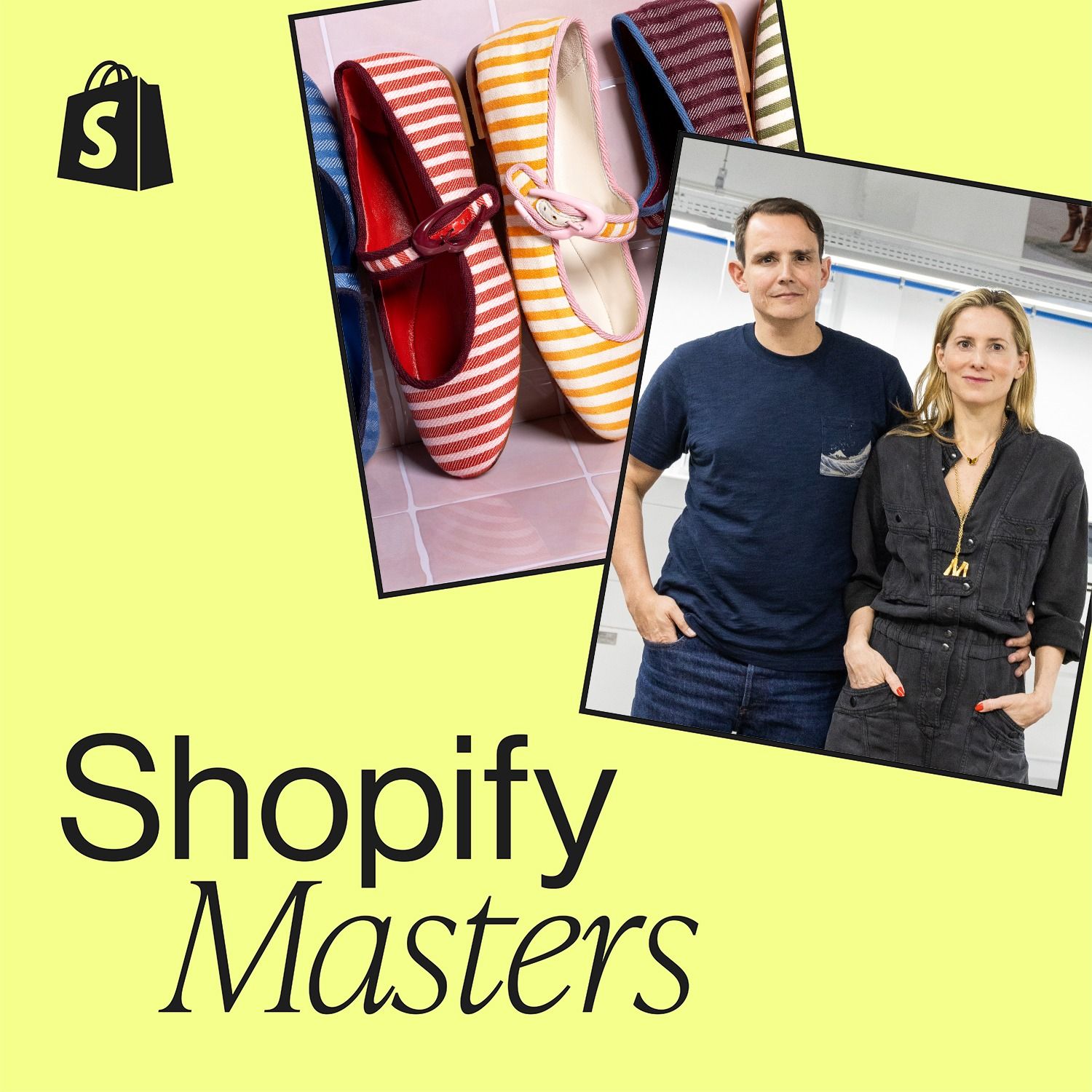
Encilia Hair's founder intentionally kept marketing quiet for years. She feared that generating demand she couldn't meet would kill the brand. This disciplined patience, waiting until manufacturing was diversified and robust, is a crucial strategy to avoid collapsing under the weight of unexpected success.
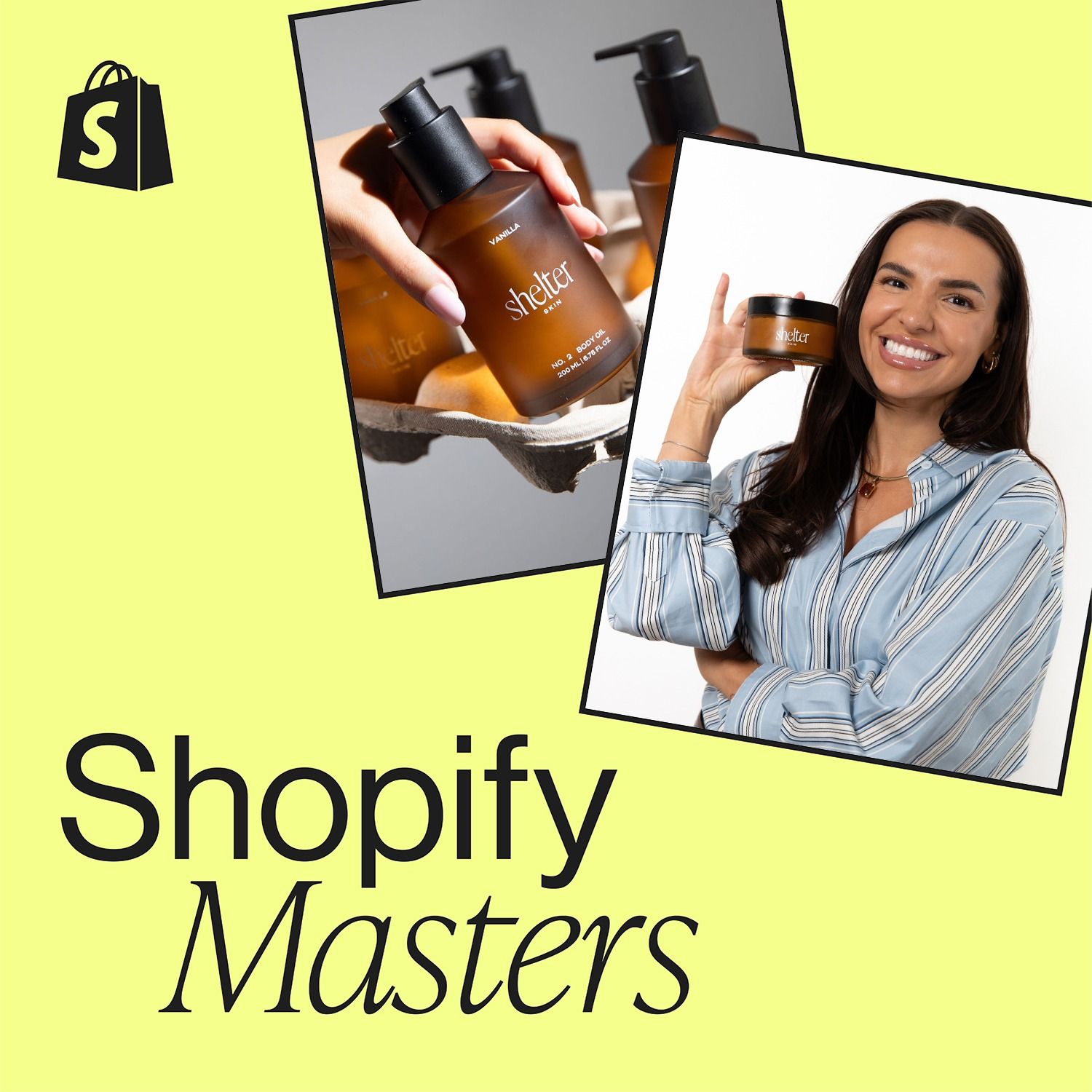
To avoid the operational chaos of viral success, Shelter Skin deliberately caps production to match what they can manufacture and ship themselves. This prevents them from overselling and allows for sustainable, bootstrapped growth, even if it means frustrating some customers with temporary stockouts.
The founder of BuzzBalls built a massive CPG brand by rejecting the typical asset-light model. By vertically integrating and producing her own patented plastic containers and spirits, she maintained quality control and supply chain reliability. This demonstrates a powerful, though less common, path to success for bootstrapped CPG founders.
A key competitive advantage for cocktail brand Buzz Balls was owning its supply chain. The founder brought the production of both the patented spherical plastic containers and the spirits in-house. This strategic move ensured quality and reliability, a challenge where most D2C founders fail by remaining dependent on co-packers.

Founders in CPG should personally master the hands-on production of their product before outsourcing. This deep knowledge of the process is invaluable, equipping you to ask specific technical questions and properly evaluate a co-manufacturer's capabilities, ensuring quality is maintained at scale.