Get your free personalized podcast brief
We scan new podcasts and send you the top 5 insights daily.
For D2C fashion brands, the inability of third-party suppliers to quickly fulfill reorders on trending products is a key trigger for vertical integration. Larroudé's co-founder realized the cost of one large factory order was equivalent to buying the machinery himself, enabling them to meet demand in weeks, not months.

Related Insights
Instead of starting in a kitchen, CPG entrepreneur Emma Hernan bought a manufacturing facility first. This generated revenue by co-packing for other brands, secured her own supply chain, and created multiple income streams from a single asset before her product even launched.

Instead of discounting old inventory, Larroudé offers a pre-order discount on new collections, similar to an early-bird airline ticket. This "direct-to-demand" model incentivizes customers to commit early, which funds production, eliminates excess inventory risk, and improves the brand's cash flow and profitability.
Dell's direct model meant their components were just days old, while competitors' parts sat in channels for 90 days. This gave Dell both a cost advantage (component prices fall over time) and a product advantage (selling the latest chips), a combination competitors couldn't understand or replicate.

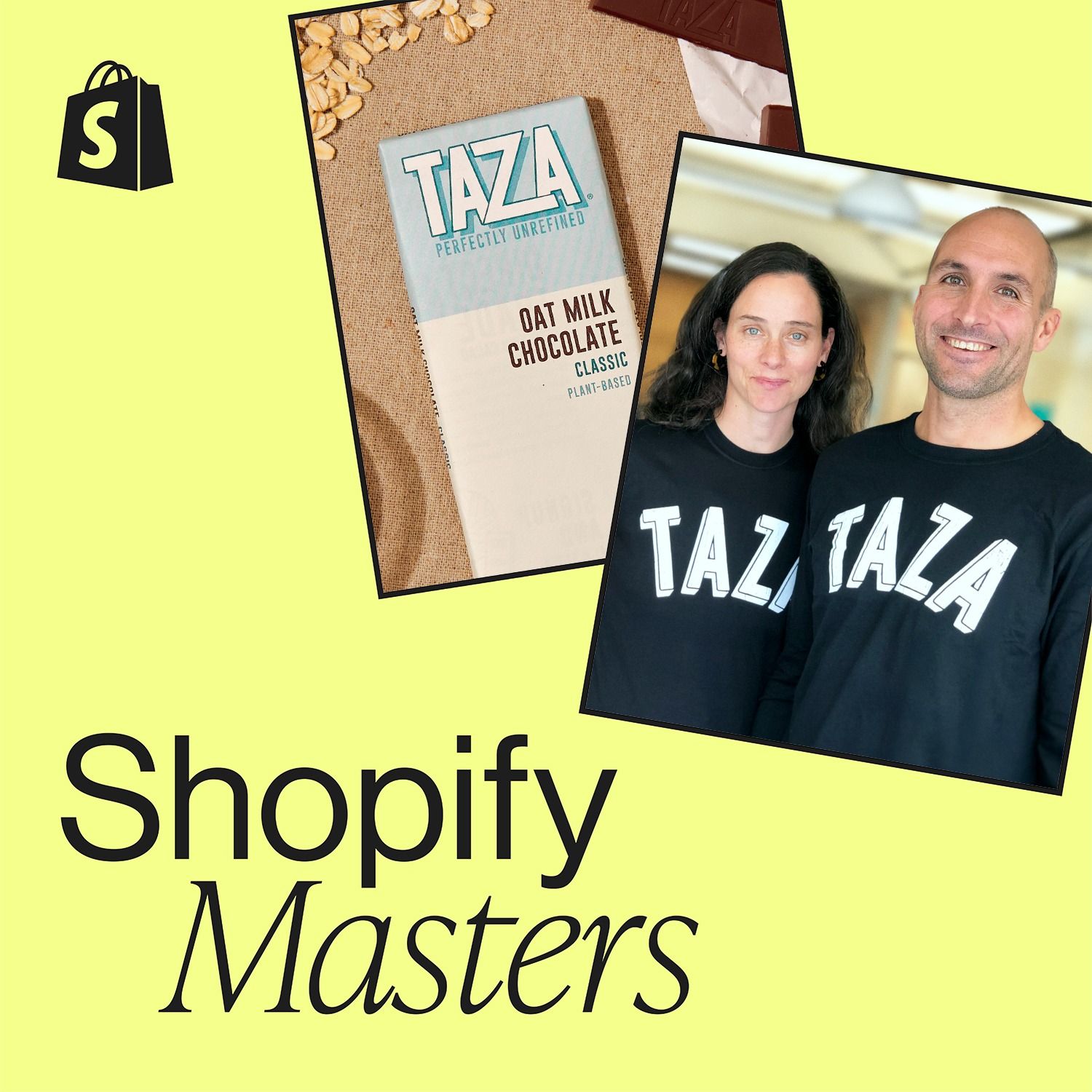
Faced with fluctuating consumer demand, Taza diversified into B2B services like co-manufacturing and private label. This strategy kept their factory machinery utilized and staff employed, creating a stable operational and financial foundation that de-risked their more volatile branded business.
Lindsay Carter's most impactful early decision was placing a second purchase order before knowing if the first would succeed. This high-risk move ensured that once the initial inventory sold out, new product was arriving to keep the momentum going. In a hype-driven market, waiting for sales data can mean losing customer attention.

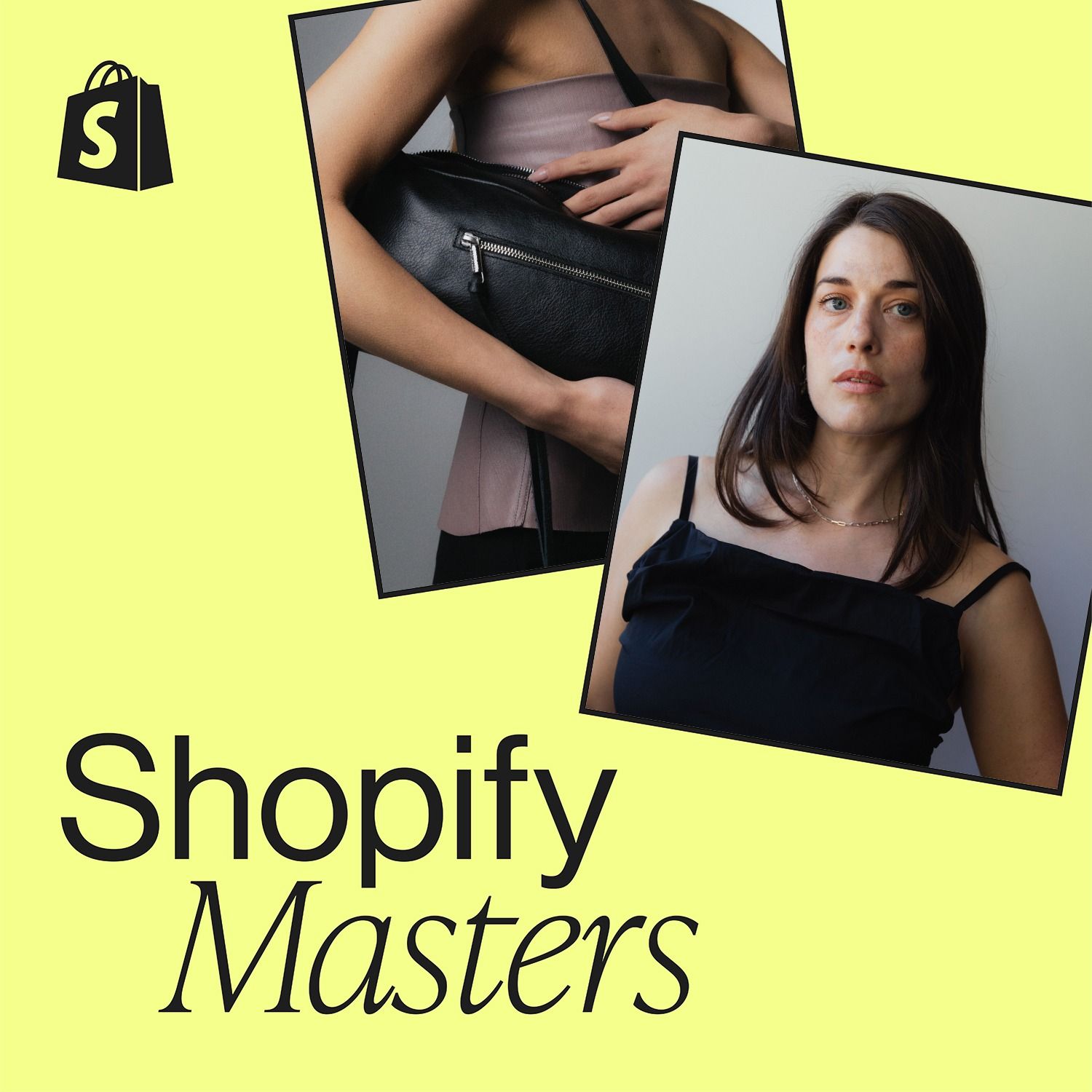
By eliminating seasonal colors to focus only on her bestseller—black—handbag brand Sonya Lee could place larger bulk leather orders. This allowed her to bypass wholesalers and source directly from a premium tannery, dramatically improving margins, ensuring material traceability, and making capital more efficient.
If your business relies on third-party suppliers for deals (e.g., real estate wholesalers), the fastest way to grow is to acquire one. Your superior monetization model allows you to extract more value from their operation, giving you control over the entire supply chain.

A premium service tier provides the capital to pay your vendors more than competitors can. This secures priority service from them, which in turn lets you deliver a faster, superior experience to your own customers, creating a durable competitive moat built on your supply chain.
Starting with drop shipping proved the concept but offered unsustainable margins. The pivot to in-house apparel manufacturing unlocked significantly higher profits (from a £2 margin to £15). This allowed them to reinvest capital back into the business, fueling actual growth.

When Shelter Skin's first shipment melted in transit, their vertically integrated model was a lifesaver. They could immediately change product seals and packaging. Had they outsourced to a lab, they would have been stuck with 10,000 faulty units and a potential $150,000 loss.