Get your free personalized podcast brief
We scan new podcasts and send you the top 5 insights daily.
A key competitive advantage for cocktail brand Buzz Balls was owning its supply chain. The founder brought the production of both the patented spherical plastic containers and the spirits in-house. This strategic move ensured quality and reliability, a challenge where most D2C founders fail by remaining dependent on co-packers.

Related Insights
Founders who have truly 'found' demand can break free from copying other startups' playbooks. They can confidently deploy unique tactics in product or marketing that seem strange to outsiders but perfectly fit their specific, proprietary understanding of customer needs, leading to outsized success.

Instead of starting in a kitchen, CPG entrepreneur Emma Hernan bought a manufacturing facility first. This generated revenue by co-packing for other brands, secured her own supply chain, and created multiple income streams from a single asset before her product even launched.

Persisting with a difficult, authentic, and more expensive production process, like using fresh ingredients instead of flavorings, is not a liability. It is the very thing that builds a long-term competitive advantage and a defensible brand story that copycats cannot easily replicate.

Athletic Brewing's success comes from rejecting the standard industrial process for non-alcoholic beer. They took a capital-intensive path, building their own breweries to develop a proprietary method that creates a product on par with top craft beers, fundamentally changing category perceptions.

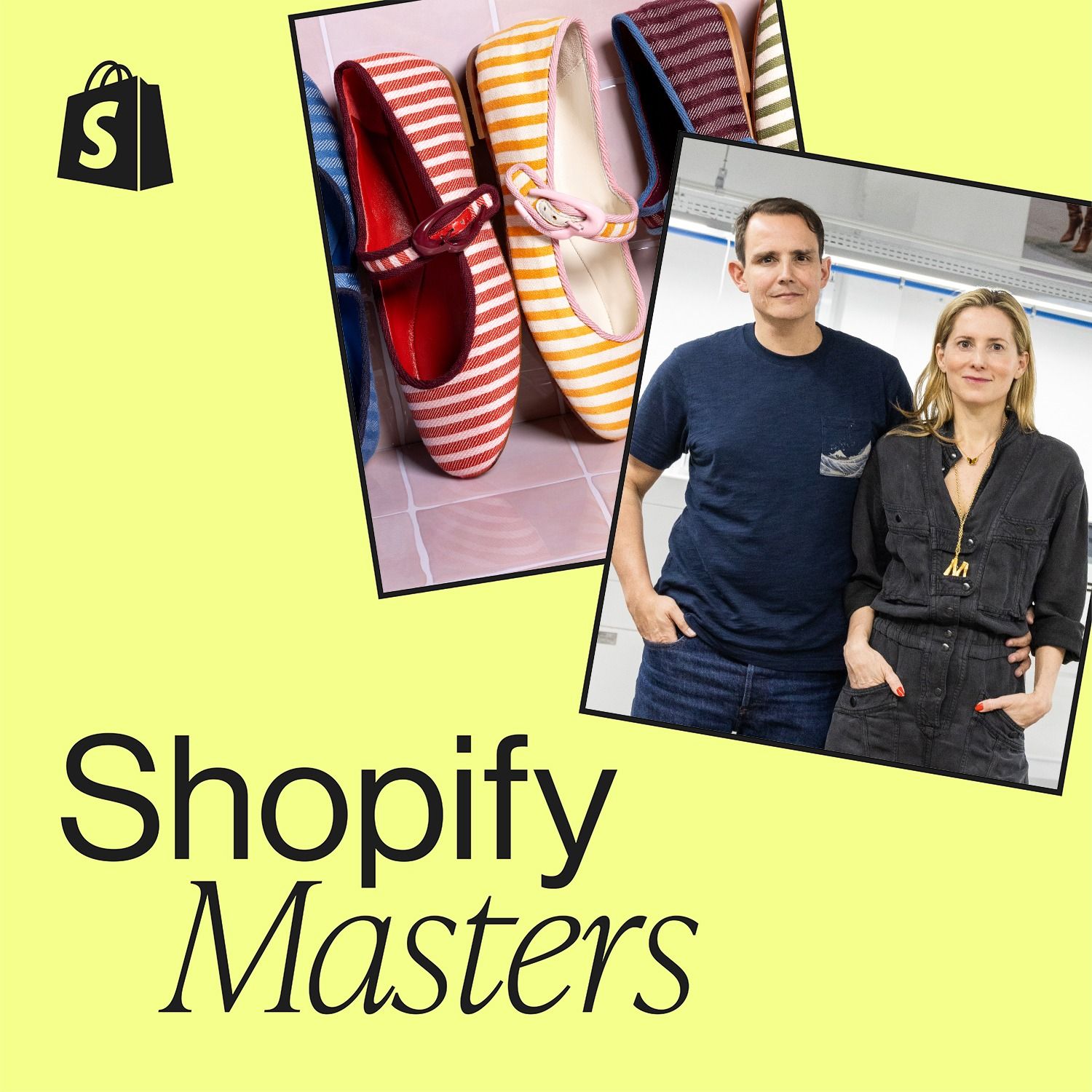
For D2C fashion brands, the inability of third-party suppliers to quickly fulfill reorders on trending products is a key trigger for vertical integration. Larroudé's co-founder realized the cost of one large factory order was equivalent to buying the machinery himself, enabling them to meet demand in weeks, not months.
When the Target buyer asked if they had supply chain issues before offering a chain-wide launch, the founder instantly said 'nope'—despite producing in a 'chicken coop.' This bold move secured the deal, forcing them to rapidly scale.
When creating a new food category, you invest heavily in educating consumers. Tariq Farid warns that if you don't control sourcing and maintain healthy margins, a competitor can easily replicate your product, import it cheaply, and capitalize on the demand you built.
Founders must distinguish between core competencies unique to their brand (e.g., product design) and commodity tasks (e.g., warehousing). Commodity functions should be outsourced to experts who benefit from economies of scale, freeing up internal resources to focus on what creates true differentiation.
The founder of Buzz Balls, a former teacher, scaled her ready-to-drink cocktail company to a nine-figure acquisition without ever raising venture capital. She bootstrapped the business using a small inheritance, maxed-out credit cards, and a community bank loan, proving massive CPG success is still possible outside the VC ecosystem.
Hamdi Ulukaya attributes Chobani's success in scaling without sacrificing product quality to his extreme operational commitment. For years, he rarely left the factory floor, ensuring standards were met firsthand. This underscores the value of deep, physical immersion for leaders in manufacturing and operations.