Get your free personalized podcast brief
We scan new podcasts and send you the top 5 insights daily.
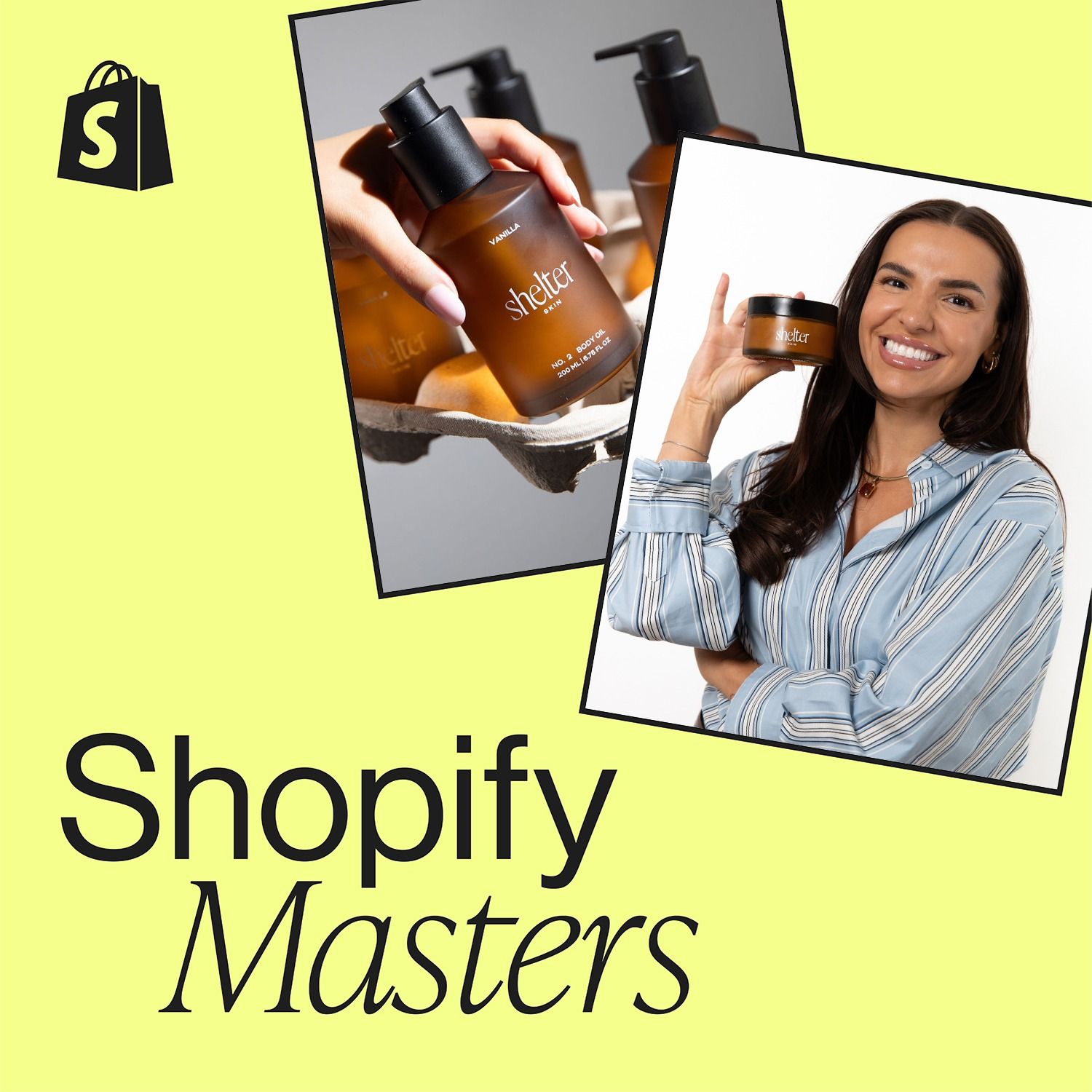
To avoid the operational chaos of viral success, Shelter Skin deliberately caps production to match what they can manufacture and ship themselves. This prevents them from overselling and allows for sustainable, bootstrapped growth, even if it means frustrating some customers with temporary stockouts.
Related Insights
Comfort offers customers a discount to 'pre-order' items, even if they are in stock, in exchange for waiting longer for delivery. This generates immediate, upfront cash flow that the bootstrapped company uses to fund large inventory purchase orders without external capital.

Founder Catherine Lockhart isn't afraid of copycats. She shares her manufacturing process openly, believing the sheer difficulty of execution is a sufficient barrier to entry. This radical transparency builds customer trust and turns potential trade secrets into a powerful marketing asset.
Founders often start scrappy out of necessity and dream of lavish resources. However, once successful, many realize that small, lean, and scrappy teams are more effective. This creates a paradox where the most successful entrepreneurs intentionally revert to the resource-constrained mindset they once tried to escape.

Service-based businesses inherently have a limited capacity for new clients. Instead of viewing this as a weakness, small businesses should leverage it as a powerful and authentic form of scarcity in their marketing. Stating you only have capacity for a few more clients creates genuine urgency without fabricated deadlines.

Instead of chasing massive, immediate growth, Chomps' founders focused on a sustainable, self-funded model. This gradual scaling allowed them to control their destiny, prove their model, and avoid the pressures of early-stage investors, which had burned one founder before.

Instead of buying expensive, custom-built lab equipment, Shelter Skin creatively repurposed machinery from the food and beverage industry, like bakery mixers and milk pasteurizers. This resourceful approach enabled them to scale production on a bootstrapped budget, proving ingenuity can replace capital.
Comfort strategically adjusts prices based on stock availability, not just demand. For fast-selling items, they increase the price to slow sales velocity, ensuring they stay in stock longer and avoid disappointing customers. This prioritizes long-term stability over short-term sales volume.
Founder Catherine Lockhart couldn't find a lab willing to work with her core ingredient (tallow) or meet her budget. She opted for the harder path of in-house manufacturing, which gave her full control over formulas and the ability to pivot quickly after launch issues.
Despite high demand, LEGO's CEO views ~15% annual growth as the sustainable maximum. Because LEGO manufactures its own products, faster growth would strain its ability to build new factories and distribution centers, introducing unacceptable complexity and delivery risks into the operating model.
When Shelter Skin's first shipment melted in transit, their vertically integrated model was a lifesaver. They could immediately change product seals and packaging. Had they outsourced to a lab, they would have been stuck with 10,000 faulty units and a potential $150,000 loss.