Get your free personalized podcast brief
We scan new podcasts and send you the top 5 insights daily.
Topo Chico's hyper-local popularity in Texas created national demand that its specialized mineral well production couldn't handle, leading to a shortage. This is a cautionary tale for CPG brands: when a product with a cult following goes mainstream, its niche supply chain can quickly become a critical vulnerability.

Related Insights
The ideal of using locally sourced, 'ugly' ingredients is often not financially viable for emerging CPG brands. This business model results in a very expensive product with a limited customer base, forcing a pragmatic approach to sourcing for mainstream appeal.

To land a large retail contract (e.g., Whole Foods), a brand must prove it can produce at scale. However, investing in scaling operations is a massive financial risk without a guaranteed contract, creating a critical strategic impasse for growing brands.
While generating massive demand is a goal, it creates significant operational challenges. Actively Black's initial success outstripped its supply chain, leaving revenue on the table and highlighting that fast growth can be as dangerous as no growth if operations cannot keep pace.

After its Quencher cup went from a viral status symbol to a ubiquitous item, Stanley is pivoting to men. This reveals that for trend-driven brands, market saturation erodes the exclusivity that created initial demand. The challenge is not just launching new products but rebuilding a sense of an exclusive "club" for a new demographic.
Emerging brands often view landing a major retailer as the ultimate goal. In reality, it's the start of a more complex phase involving distribution logistics, trade requirements, and performance pressure. Success depends on staying on the shelf, not just getting there.

When the Target buyer asked if they had supply chain issues before offering a chain-wide launch, the founder instantly said 'nope'—despite producing in a 'chicken coop.' This bold move secured the deal, forcing them to rapidly scale.
When creating a new food category, you invest heavily in educating consumers. Tariq Farid warns that if you don't control sourcing and maintain healthy margins, a competitor can easily replicate your product, import it cheaply, and capitalize on the demand you built.
For new CPG brands, aggressive marketing before achieving near-national distribution is a critical error. When excited customers can't find the product in their local store, they often buy a competitor's alternative (e.g., White Claw instead of Happy Dad). This funnels demand and new customers directly to established rivals.

A key competitive advantage for cocktail brand Buzz Balls was owning its supply chain. The founder brought the production of both the patented spherical plastic containers and the spirits in-house. This strategic move ensured quality and reliability, a challenge where most D2C founders fail by remaining dependent on co-packers.

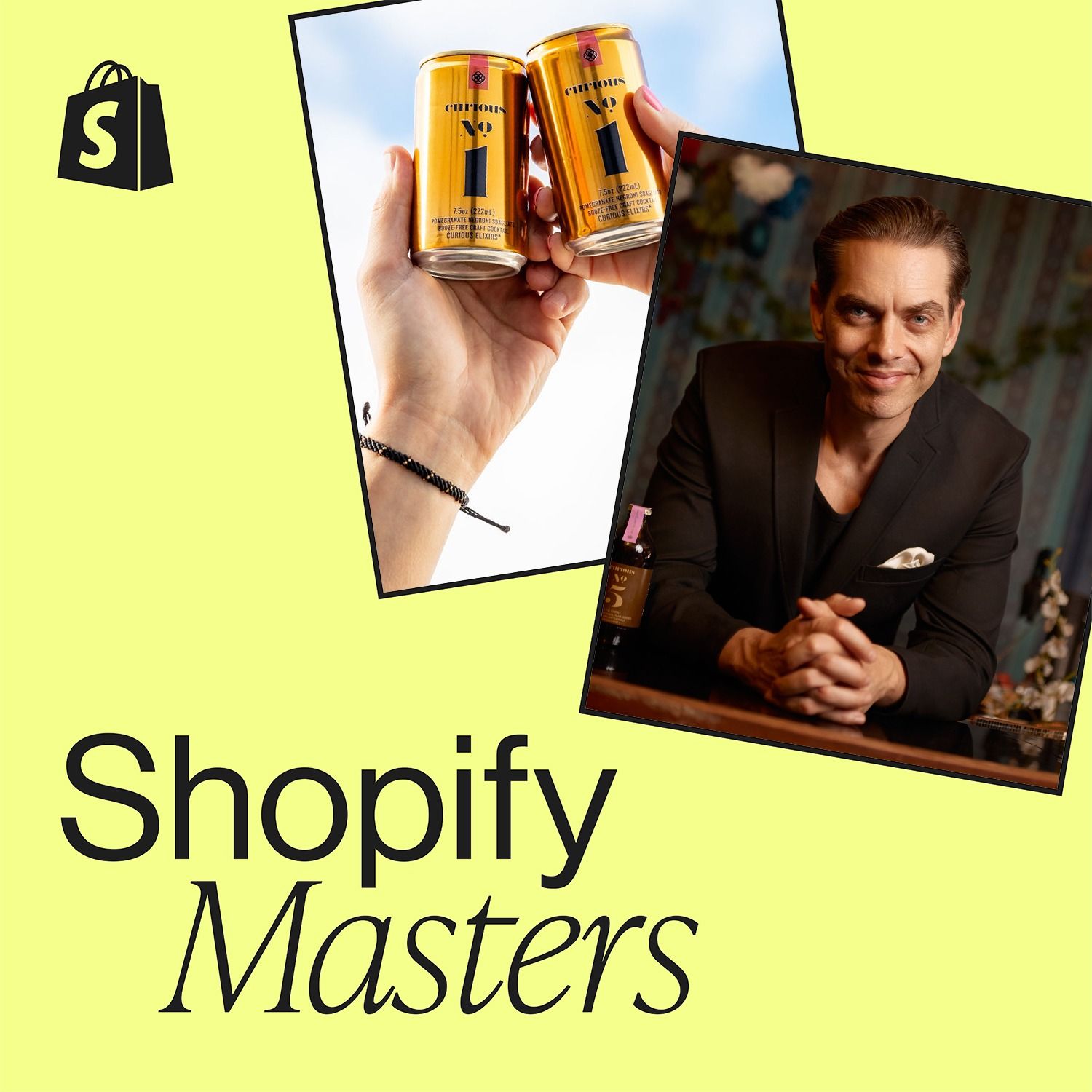
To create its complex non-alcoholic cocktails, Curious Elixirs had to first partner with food scientists to invent foundational ingredients, like non-alcoholic gentian extract, that didn't exist. True category creation required building the supply chain, not just the end product.