Get your free personalized podcast brief
We scan new podcasts and send you the top 5 insights daily.
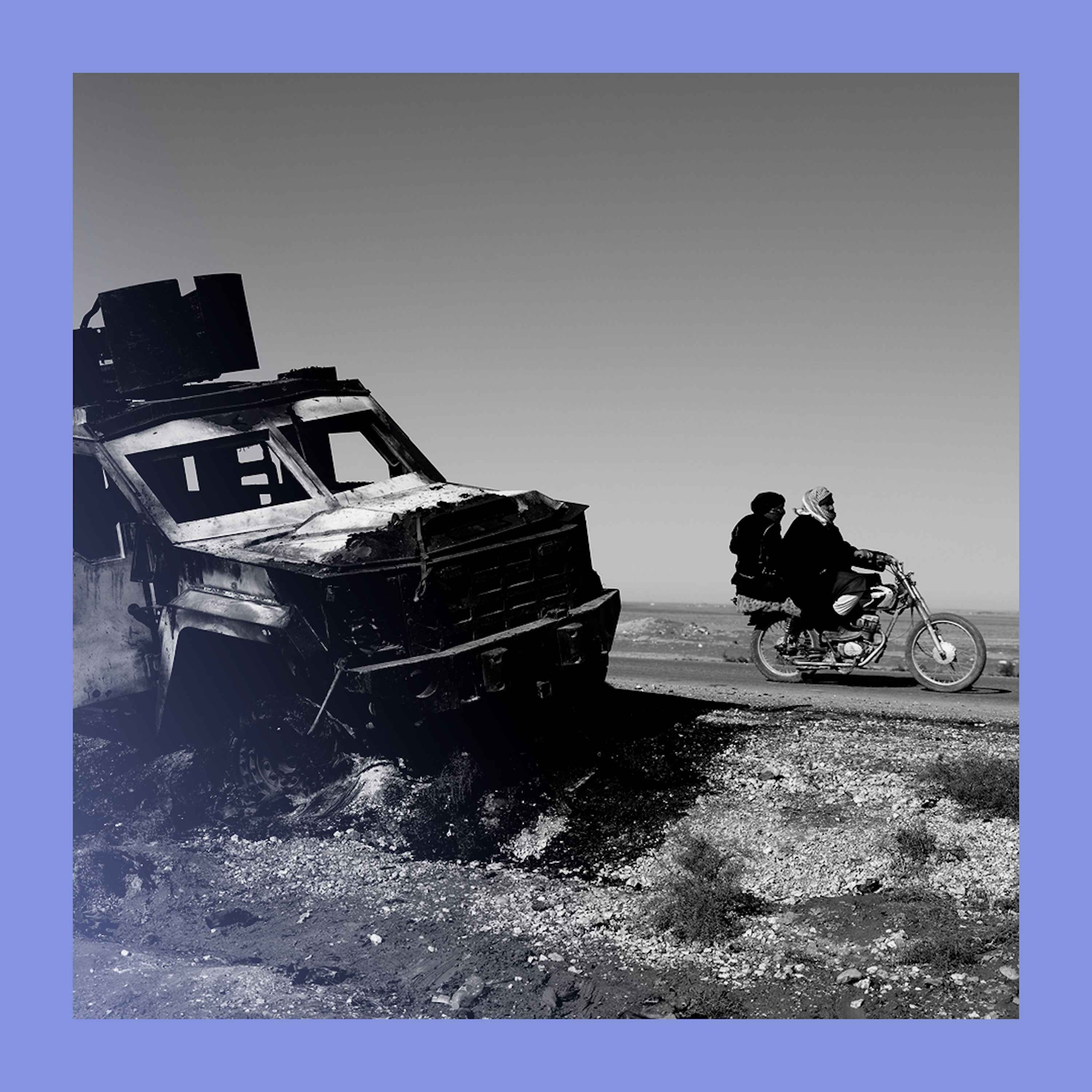
The party leader’s anti-corruption drive, a tool for consolidating power by purging rivals, has been ineffective against the military. Because the army has its own disciplinary system, it has remained a coherent and powerful faction with a state-centric economic vision, directly challenging the leader's market-based reforms.
Related Insights
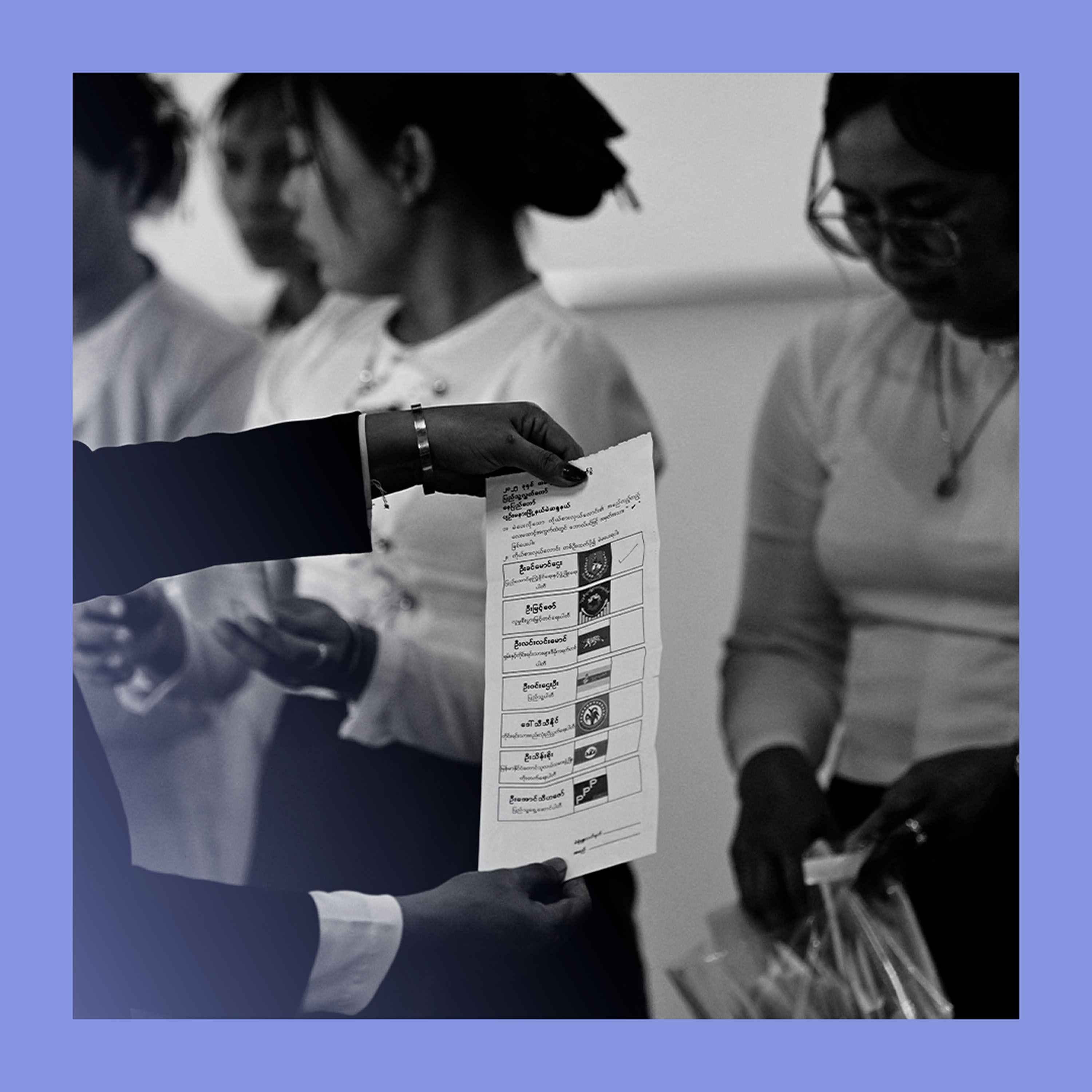
The widely condemned election is not for public legitimacy but serves as a potential internal political mechanism. Many in the military brass consider their leader, Min Aung Hlaing, to be inept and may use the election's outcome as a pretext to displace him and install new leadership.
Unlike China's scripted party congresses that project unity, Vietnam's is a genuine contest between distinct factions with competing visions. The main conflict pits a pro-Western, police-aligned faction against a military faction favoring old communist allies and state-controlled economics, making the outcome highly uncertain.
The Islamic Revolutionary Guard Corps (IRGC) has eclipsed the clergy, controlling major political and economic institutions. Ayatollah Khamenei maintains power through a symbiotic relationship with the IRGC, leveraging their military and economic might, rather than just religious authority.

Authoritarian leaders like Hugo Chavez systematically dismantle democracy from within after winning elections. They replace competent individuals in the military and government with those who are absolutely loyal, destroying meritocracy to ensure the state apparatus serves the regime, not the people.

When a political movement is out of power, it's easy to unify against a common opponent. Once they gain power and become the establishment, internal disagreements surface, leading to factions and infighting as they debate the group's future direction.

The Trump administration's influence over who leads the massive Fannie Mae/Freddie Mac IPO is a classic autocratic move. While punishing enemies is well-understood, just as crucial is over-rewarding allies, which consolidates power and creates an ecosystem of cronyism.

In Ukraine's corruption scandal, pressure is mounting on President Zelenskyy to fire his powerful, unelected chief of staff, Andrei Yermak. This highlights how such "gatekeeper" advisors can become political liabilities and scapegoats, embodying systemic issues and absorbing public anger meant for the administration.
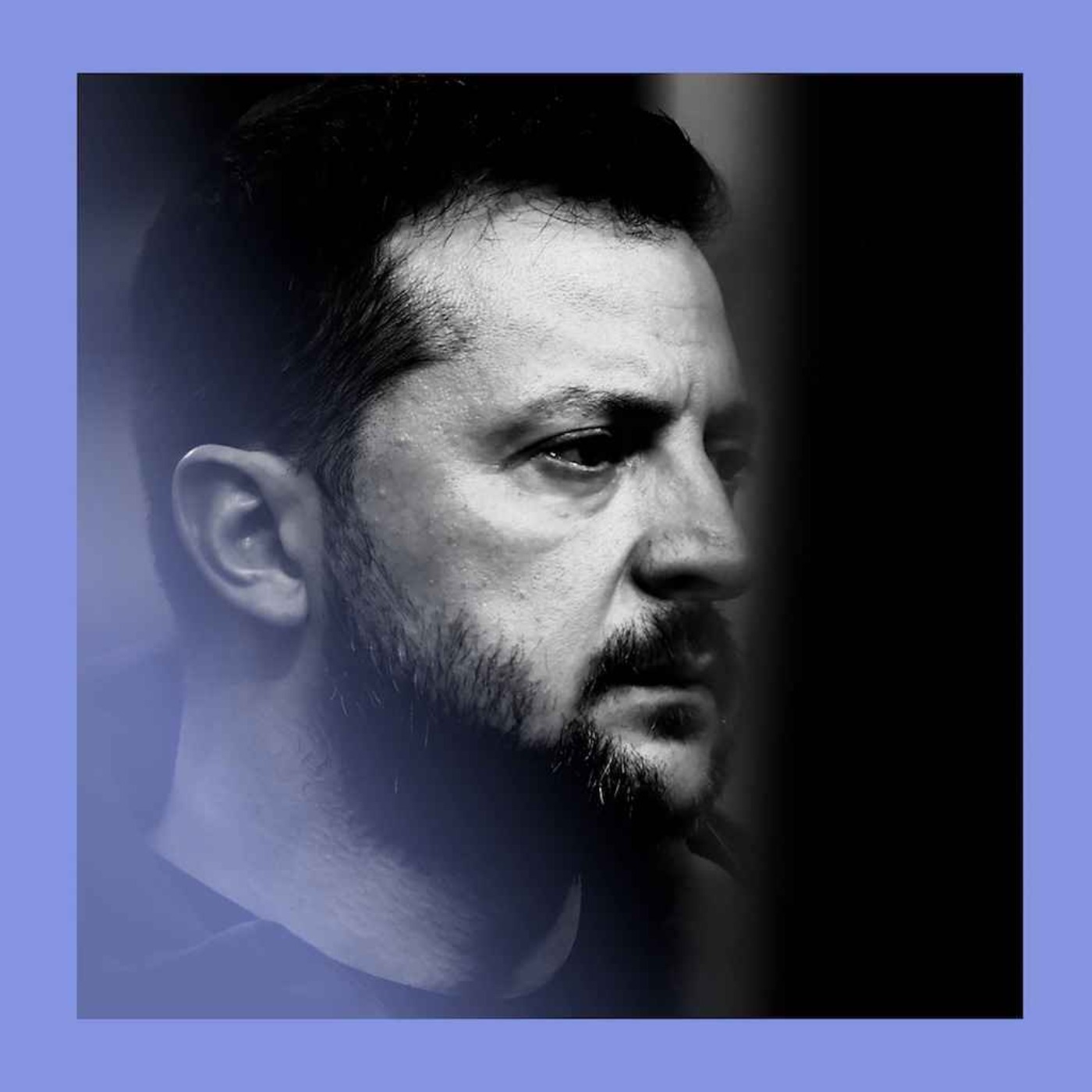
Directly attacking a charismatic leader can backfire due to personal loyalty. A more effective political strategy is to target their key advisors. Removing controversial figures can weaken the leader's power structure, as it is easier to build consensus against "bad actors" than the principal.

An obsessive focus on internal political battles creates a critical geopolitical vulnerability. While a nation tears itself apart with divisive rhetoric, strategic adversaries like China benefit from the distraction and internal weakening. This domestic infighting accelerates the erosion of the nation's global influence and power.

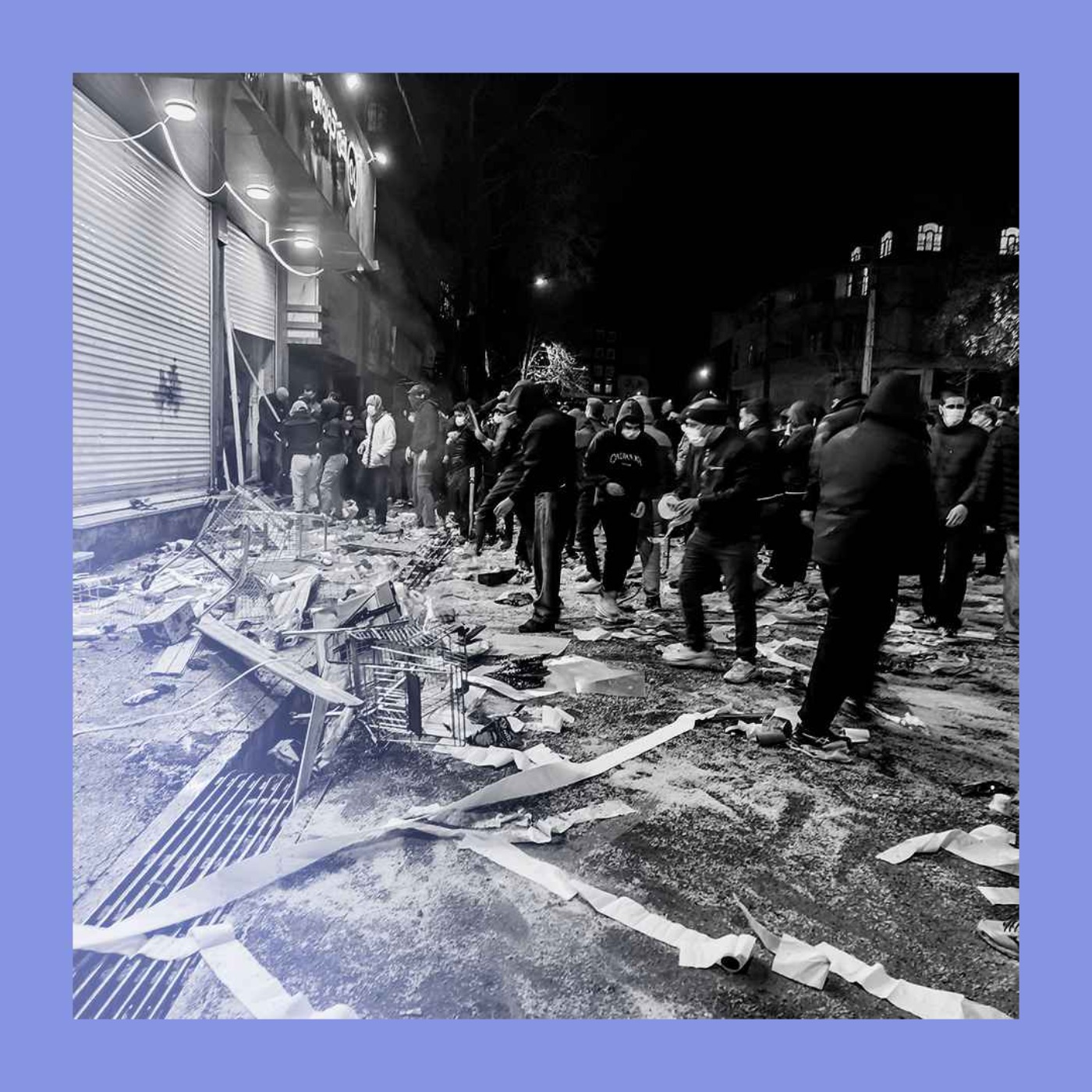
While US sanctions are a factor, the Iranian currency's freefall is largely due to structural corruption. The economy is dominated by the military and clerical foundations, a political-economic model that stifles growth and fuels public anger—a problem sanctions relief alone cannot solve.