Get your free personalized podcast brief
We scan new podcasts and send you the top 5 insights daily.
The widely condemned election is not for public legitimacy but serves as a potential internal political mechanism. Many in the military brass consider their leader, Min Aung Hlaing, to be inept and may use the election's outcome as a pretext to displace him and install new leadership.

Related Insights
A political party might intentionally trigger a government shutdown not to win policy concessions, but to create a public narrative of a dysfunctional opposition. The true victory isn't legislative but reputational, aiming to sway voters in upcoming elections by making the ruling party look incompetent.

A strategic reason for a leader to resign is to de-escalate public tension. After a crisis, the leader can become a symbol of that difficult period. By stepping down, they absorb the negative sentiment, lower the political temperature, and allow their organization to move forward.

Authoritarian leaders like Hugo Chavez systematically dismantle democracy from within after winning elections. They replace competent individuals in the military and government with those who are absolutely loyal, destroying meritocracy to ensure the state apparatus serves the regime, not the people.

The appeal of a populist leader lies in their rejection of traditional political norms. When the electorate feels betrayed by the established "political class," they gravitate toward figures whose rhetoric is a deliberate and stark contrast, signaling they are an outsider.

Foreign adversaries, particularly from the Middle East and China, are weaponizing political prediction markets. By funding ads that display skewed betting odds, they aim to create a false sense of momentum or inevitability for a candidate, representing a novel and subtle form of election interference designed to sow division.

The military regime uses a counter-intuitive two-pronged strategy. It sends waves of poorly trained conscripts as cannon fodder to exhaust rebel ammunition, a primitive tactic. Simultaneously, it employs advanced Chinese UAVs and motorized paragliders to terrorize civilian areas, a modern innovation.
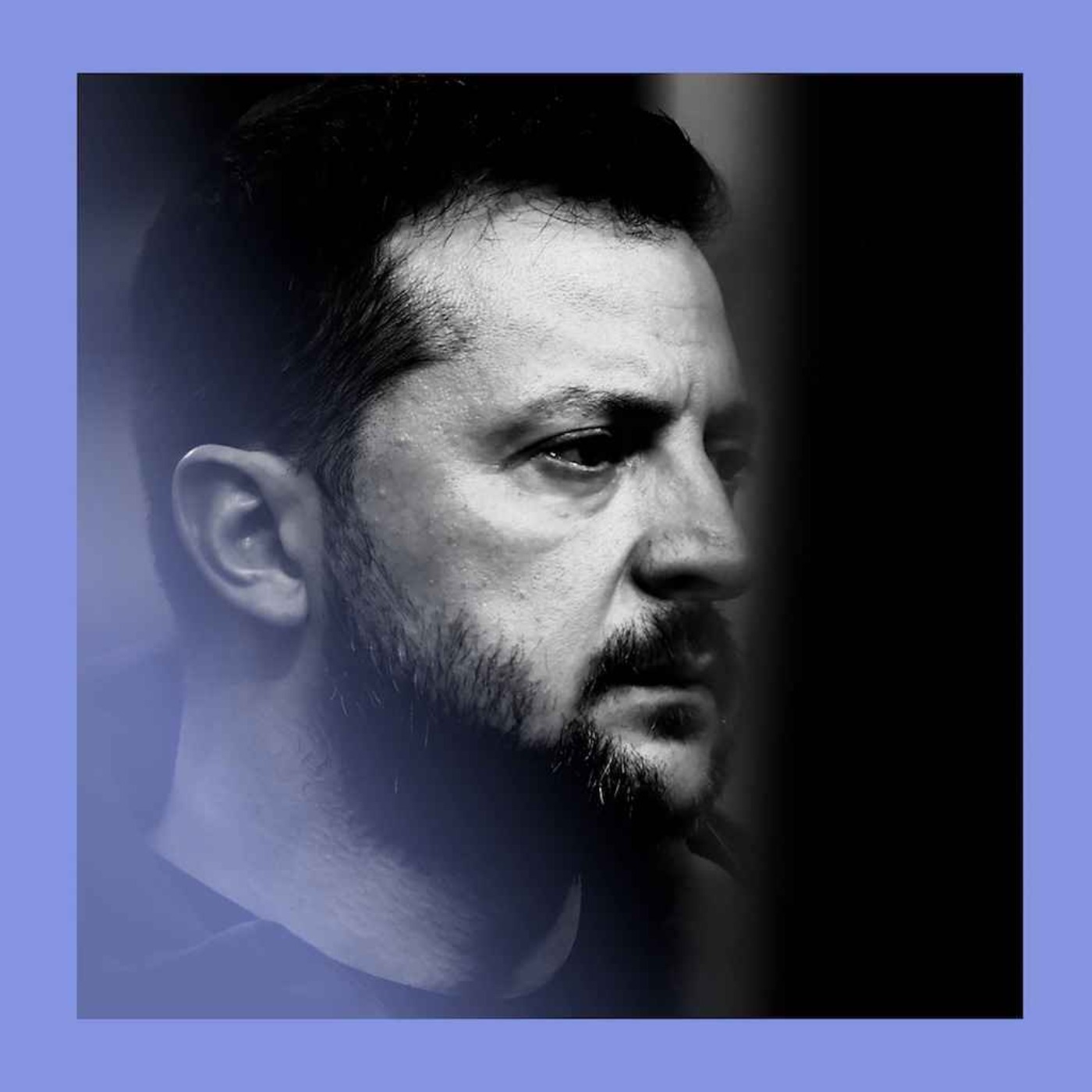
In Ukraine's corruption scandal, pressure is mounting on President Zelenskyy to fire his powerful, unelected chief of staff, Andrei Yermak. This highlights how such "gatekeeper" advisors can become political liabilities and scapegoats, embodying systemic issues and absorbing public anger meant for the administration.
Political figures often focus on superficial issues like beards and physical fitness, which directly conflicts with the professional military's culture. The armed services value deep competence, humility, and character—qualities essential for managing lethal force and complex global operations, regardless of appearance.

Myanmar's revolutionary forces were gaining until two external factors reversed their momentum. China cut supply lines to ethnic armed groups it previously backed, and the closure of USAID forced rebels to divert 60% of their military budget to humanitarian aid, enabling a junta comeback.
An obsessive focus on internal political battles creates a critical geopolitical vulnerability. While a nation tears itself apart with divisive rhetoric, strategic adversaries like China benefit from the distraction and internal weakening. This domestic infighting accelerates the erosion of the nation's global influence and power.