Get your free personalized podcast brief
We scan new podcasts and send you the top 5 insights daily.
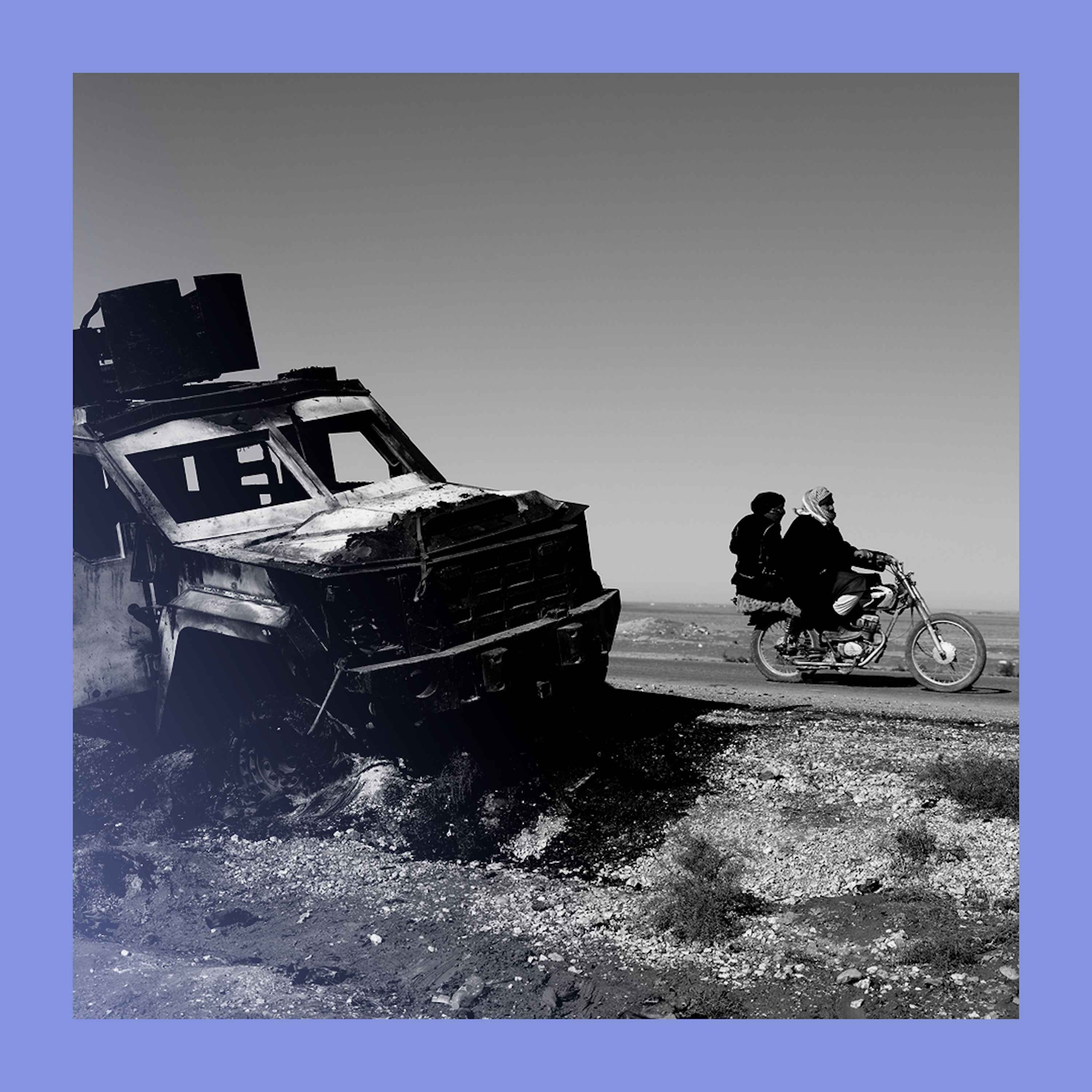
Unlike China's scripted party congresses that project unity, Vietnam's is a genuine contest between distinct factions with competing visions. The main conflict pits a pro-Western, police-aligned faction against a military faction favoring old communist allies and state-controlled economics, making the outcome highly uncertain.
Related Insights
Observing the USSR's fall, the Chinese Communist Party drew key lessons to ensure its survival: use overwhelming force against dissent, prioritize the Party's power monopoly even at the cost of economic efficiency, and aggressively assimilate ethnic minorities to prevent separatism.

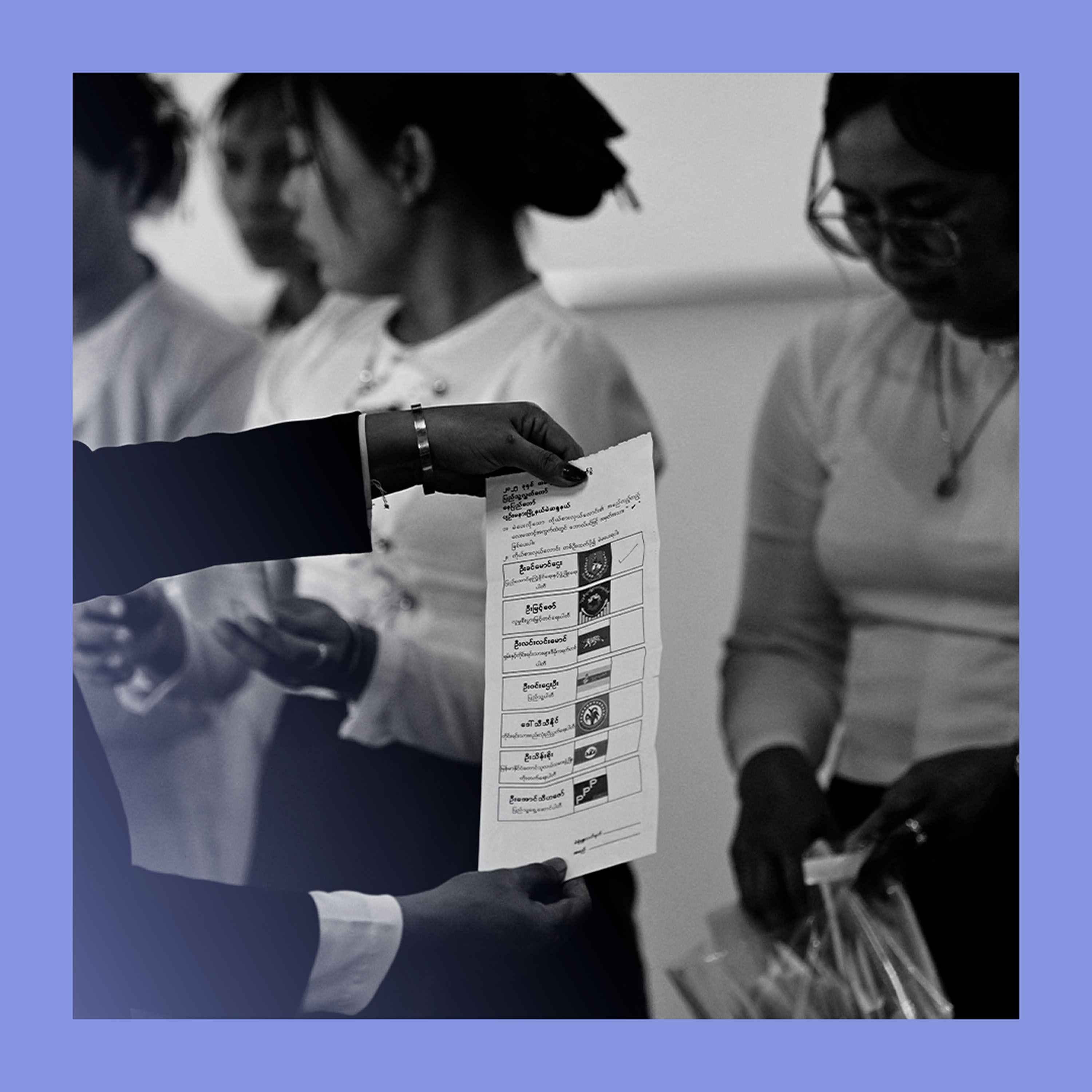
The widely condemned election is not for public legitimacy but serves as a potential internal political mechanism. Many in the military brass consider their leader, Min Aung Hlaing, to be inept and may use the election's outcome as a pretext to displace him and install new leadership.
The dynamic between a rising power (China) and a ruling one (the U.S.) fits the historical pattern of the "Thucydides' trap." In 12 of the last 16 instances of this scenario, the confrontation has ended in open war, suggesting that a peaceful resolution is the exception, not the rule.

The CCP's durability stems from studying and combining disparate models: the Catholic Church's hierarchical doctrine, the Sicilian Mafia's code of silence (omerta), and a rigorous analysis of the Soviet Union's collapse to ensure its own survival.
The rise of a precarious gig workforce of over 200 million people directly contradicts the Communist Party's founding promise of a "dictatorship of the proletariat." This growing underclass, living with minimal security and rights, represents a societal shift towards a capitalist-style structure that the party was originally formed to overthrow, creating a deep ideological crisis.

When a political movement is out of power, it's easy to unify against a common opponent. Once they gain power and become the establishment, internal disagreements surface, leading to factions and infighting as they debate the group's future direction.

Viewing geopolitics through the lens of "what China is doing" is a flawed model. Reality consists of individuals and cohorts struggling for power. Nation-states are just the largest "gangs," distracting from the real controllers—like undisclosed central bank shareholders—who wield more power than any politician.

Unlike pragmatic predecessors, Xi Jinping operates from a quasi-religious belief that China is divinely intended to be the "middle kingdom"—the world's dominant power. This ideological North Star explains his confrontational approach to geopolitics, even when it seems economically irrational.

An obsessive focus on internal political battles creates a critical geopolitical vulnerability. While a nation tears itself apart with divisive rhetoric, strategic adversaries like China benefit from the distraction and internal weakening. This domestic infighting accelerates the erosion of the nation's global influence and power.

The party leader’s anti-corruption drive, a tool for consolidating power by purging rivals, has been ineffective against the military. Because the army has its own disciplinary system, it has remained a coherent and powerful faction with a state-centric economic vision, directly challenging the leader's market-based reforms.