Get your free personalized podcast brief
We scan new podcasts and send you the top 5 insights daily.
Lebanon's new leadership plans to undermine Hezbollah's support by rebuilding the south and providing government services. However, this strategy is stalled because the country's severe economic crisis leaves them without the necessary resources, creating a difficult catch-22 situation.
Related Insights
With the main war against Iran ending on disadvantageous terms for Israel, Prime Minister Netanyahu is prolonging the conflict with Hezbollah in Lebanon. This allows him to project a "fighting spirit" to his electorate ahead of an election, turning a secondary front into a primary stage for political posturing.
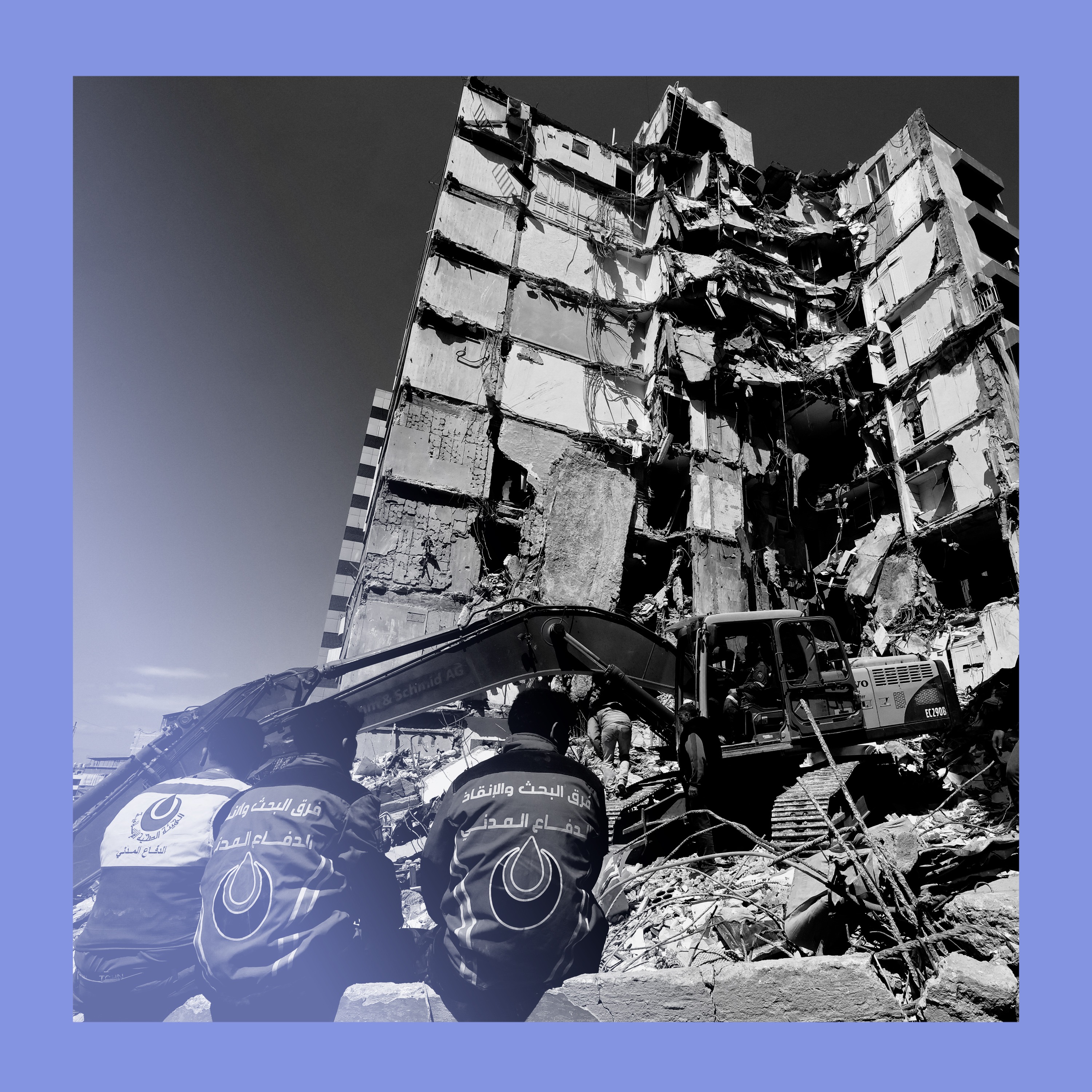
Iran's leadership projects regional strength, fostering national pride that makes compromise seem weak. However, this belligerence is a facade for a devastated domestic economy racked by sanctions, corruption, and war. This creates a fundamental tension: while they act tough, their long-term survival necessitates a diplomatic arrangement with the very enemies they confront.
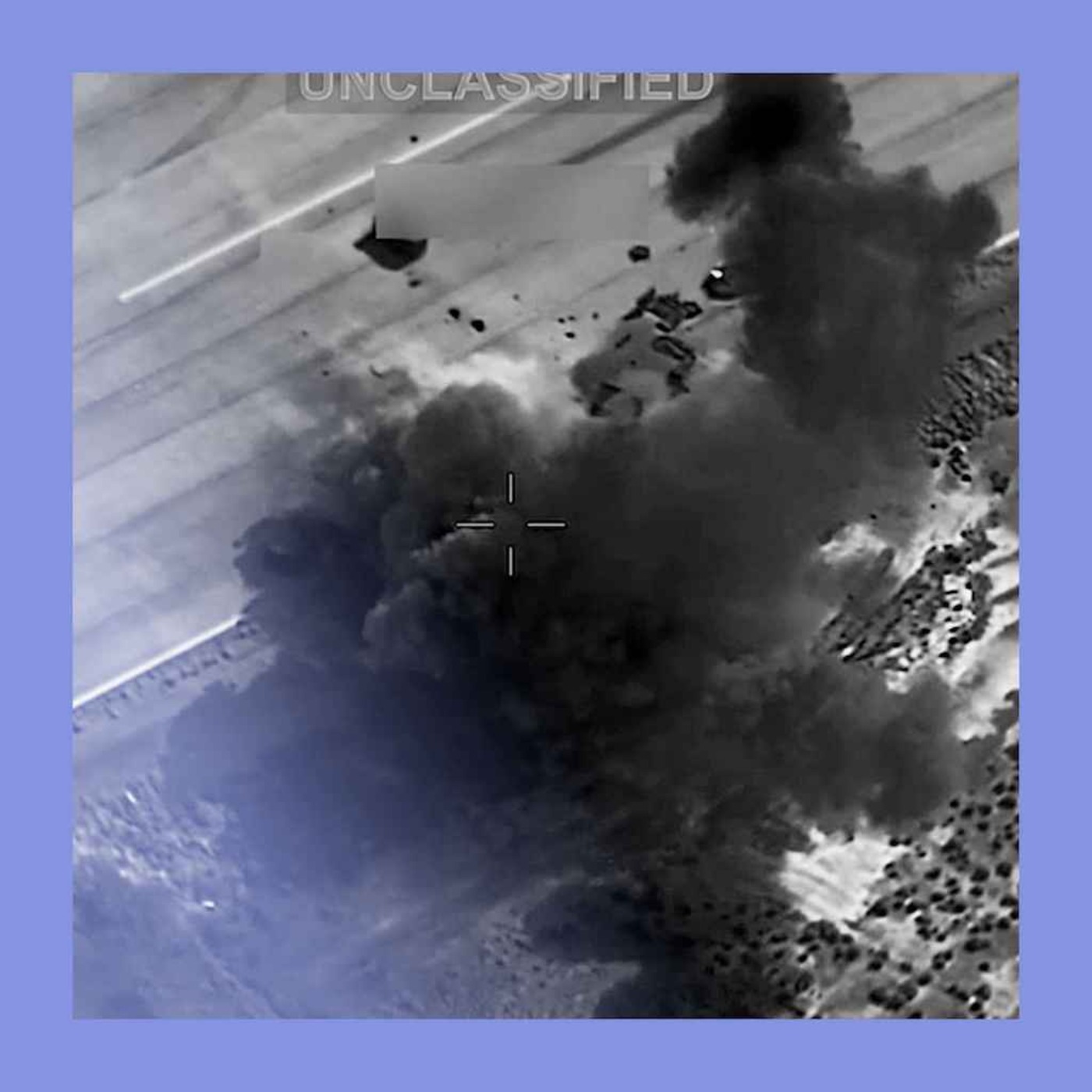
Before the latest conflict, a viable path existed to confront Hezbollah by investing in and empowering the Lebanese Armed Forces to act. This strategy, which had domestic support within Lebanon, was ignored in favor of an Israeli military operation—a tactic that has historically failed to reduce Hezbollah's long-term power.

Hezbollah maintained popular support by providing extensive social services, acting as a "state within a state." However, this social contract has weakened due to financing problems from its patron, Iran. This has eroded its domestic support base even before the latest conflict escalated, making it more vulnerable.

Israeli officials are split on handling the Lebanon conflict. Diplomats favor weakening Hezbollah and empowering the Lebanese army, while hard-right politicians and military officials push for a long-term occupation of a 'security zone.' This internal division creates strategic ambiguity and complicates any clear path to resolution.
Instead of direct military intervention, a modern strategy involves crippling a nation's economy and military so severely that the regime deteriorates from internal pressure. This approach aims to force a collapse without committing ground troops, which is politically unpopular.

Hezbollah's involvement in the conflict is not a strategic choice but an obligation to its patron, Iran. This puts the group in a perilous position, as another war with Israel is deeply unpopular in Lebanon and comes when Hezbollah is still weakened from a previous conflict and would prefer to be rebuilding its forces.
Instead of a direct, high-risk military conflict, the Lebanese government's strategy is to gradually weaken Hezbollah. This involves reasserting control over state institutions like Beirut's airport, cutting off funding, and disrupting illicit revenue streams, effectively suffocating the group without a direct fight.
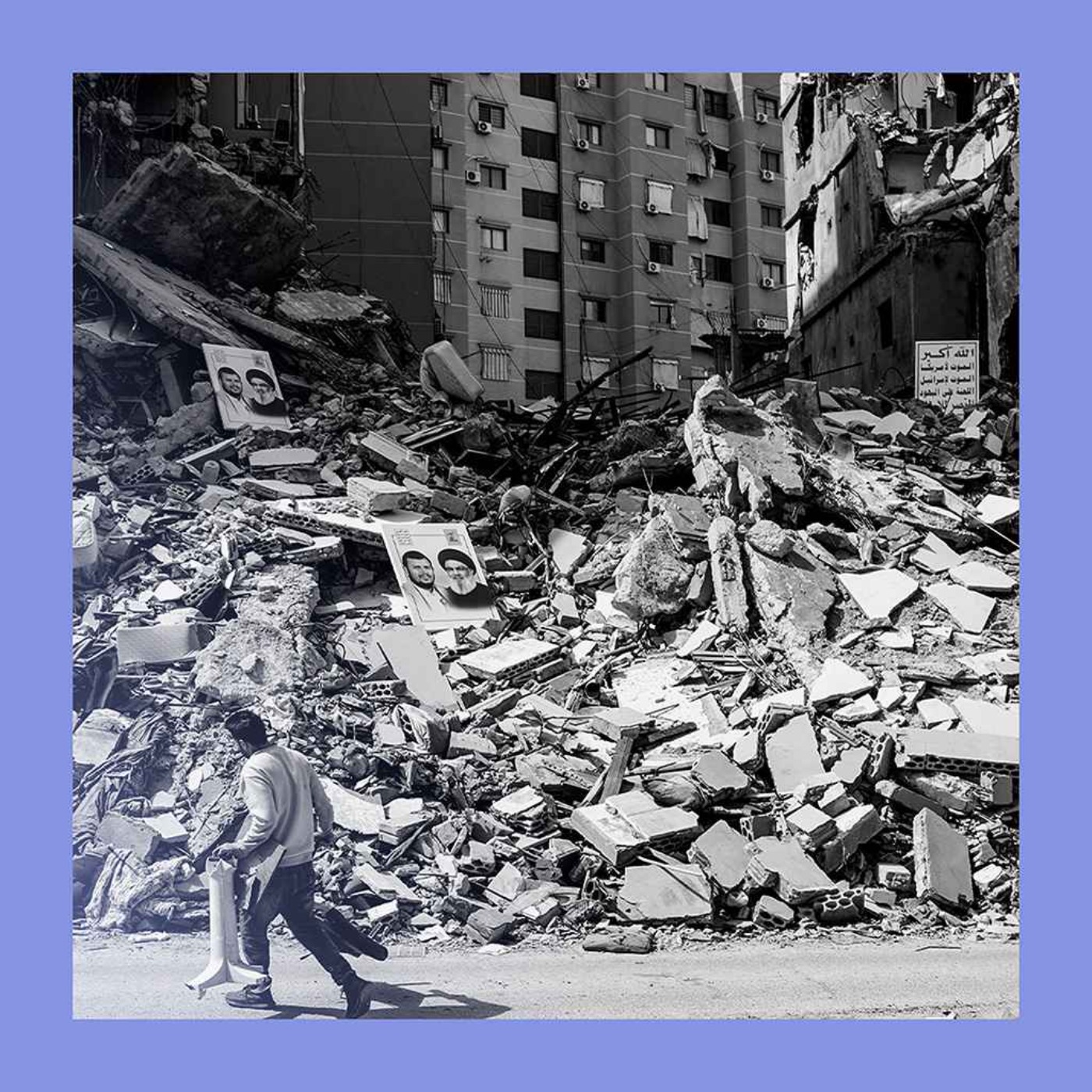
Historically, confronting Hezbollah was a dangerous taboo in Lebanese politics. Now, facing a potential Israeli invasion, the government has explicitly stated its aim to disarm the group, representing a significant shift in the Overton window of what is politically discussable and possible.
Contrary to expectations of post-liberation prosperity, the new Syrian government has worsened the economic situation for many citizens. By firing hundreds of thousands of state employees and cutting subsidies, the regime has plunged some of the country's poorest into greater financial distress, demonstrating that political freedom doesn't guarantee economic stability.