Get your free personalized podcast brief
We scan new podcasts and send you the top 5 insights daily.
Hezbollah maintained popular support by providing extensive social services, acting as a "state within a state." However, this social contract has weakened due to financing problems from its patron, Iran. This has eroded its domestic support base even before the latest conflict escalated, making it more vulnerable.

Related Insights
Iran's Islamic Revolutionary Guard Corps (IRGC) isn't funded by the state budget. It operates a global network of front companies for construction and other projects, laundering money to create a self-sustaining financial ecosystem. If the regime collapses, the IRGC would likely persist as a heavily-armed mafia with international criminal ties.

The bombing campaign, aimed at regime change, could be counterproductive. Prior to the conflict, Iran's regime was seen as unpopular and frail, potentially heading for collapse or moderation. The external attack risks creating a rally-round-the-flag effect, allowing the regime to consolidate power where mere survival becomes a victory.
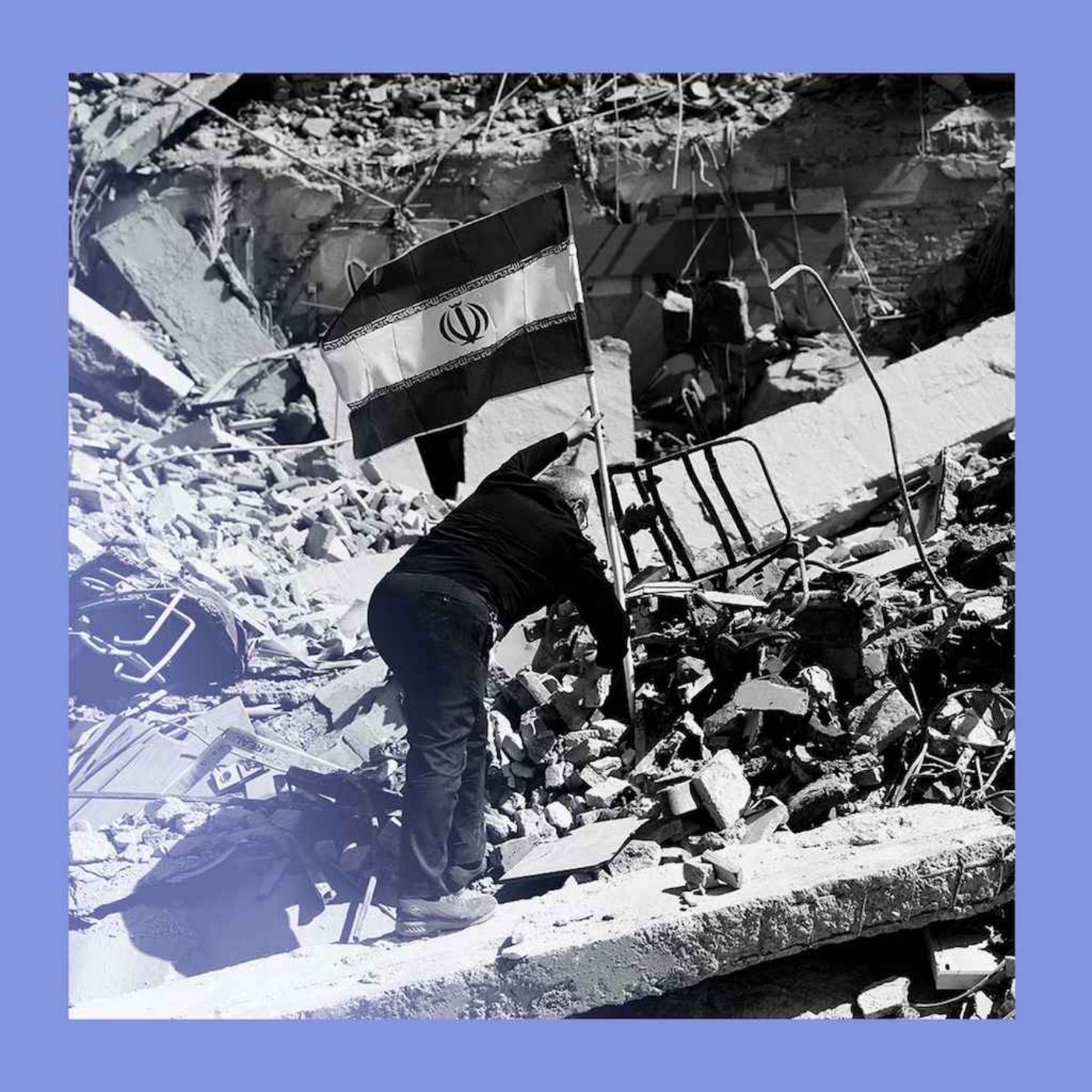
Destroying Iran's conventional military without toppling the regime could create a cornered, vengeful state. Lacking other options and led by a leader whose father was just killed, it might turn to asymmetric warfare like terrorism to retaliate for its humiliation and losses.

With its credibility destroyed by bloodshed, the Iranian regime's only remaining leverage over some citizens is the fear of a chaotic power vacuum. The prospect of a full-blown civil war may convince some to tolerate the current oppression over the alternative of total state collapse.

Hezbollah's involvement in the conflict is not a strategic choice but an obligation to its patron, Iran. This puts the group in a perilous position, as another war with Israel is deeply unpopular in Lebanon and comes when Hezbollah is still weakened from a previous conflict and would prefer to be rebuilding its forces.
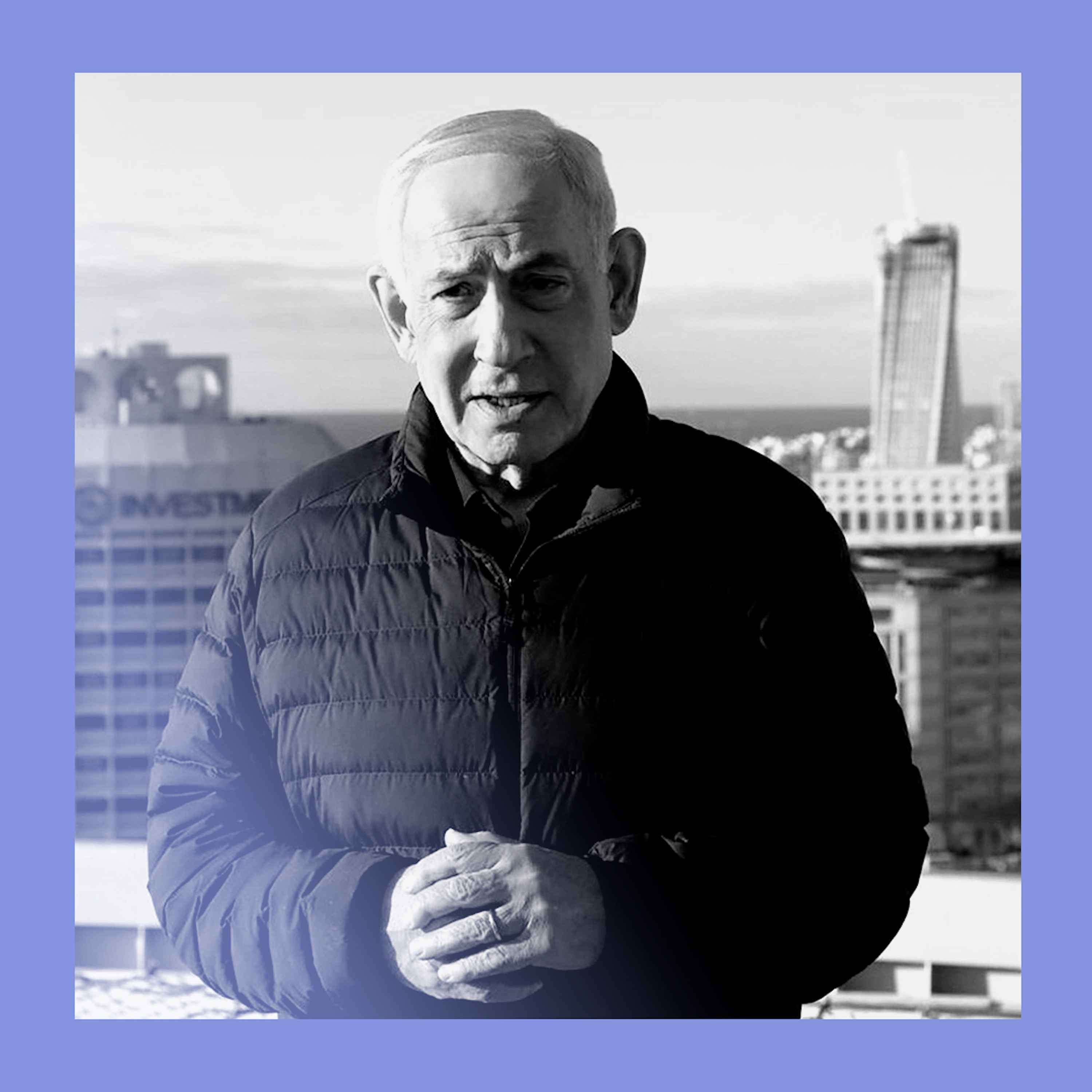
The current Iranian protests are uniquely potent because the regime is at its weakest geopolitically. The loss of regional proxies like Hezbollah and Hamas, coupled with key ally Russia's preoccupation with Ukraine, has left the Iranian government more isolated and vulnerable than during any previous wave of unrest.

Historically, confronting Hezbollah was a dangerous taboo in Lebanese politics. Now, facing a potential Israeli invasion, the government has explicitly stated its aim to disarm the group, representing a significant shift in the Overton window of what is politically discussable and possible.
While US sanctions are a factor, the Iranian currency's freefall is largely due to structural corruption. The economy is dominated by the military and clerical foundations, a political-economic model that stifles growth and fuels public anger—a problem sanctions relief alone cannot solve.
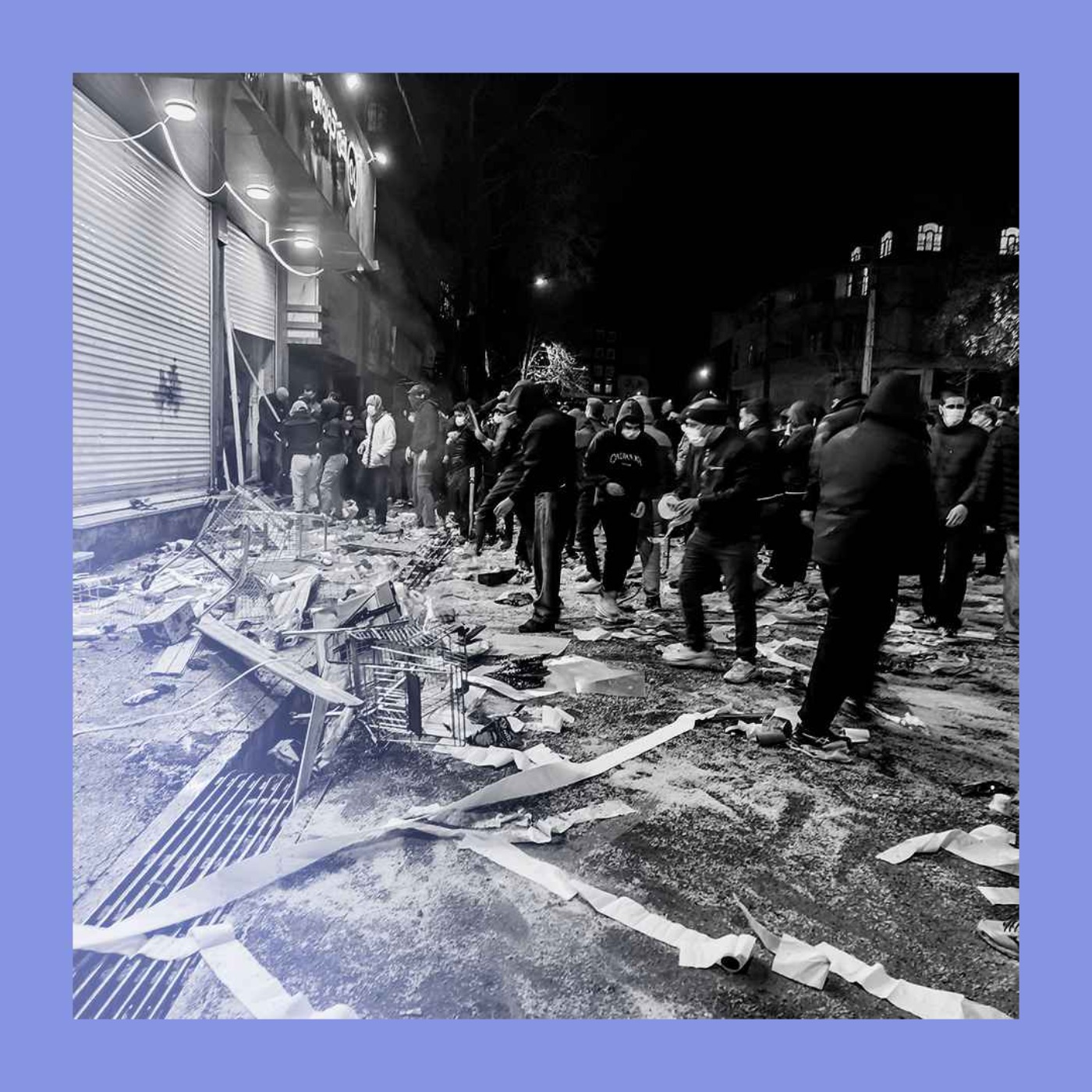
Unlike nascent revolutionary states that rally against foreign attacks, late-stage dictatorships are weakened by military defeats. Iran's recent humiliations by Israel and the US have exposed incompetence and eroded the public's perception of strength, fueling protests and accelerating the regime's demise.
Widespread protests are fueled by everyday grievances like poverty and environmental destruction. These issues trace back to the Islamic Revolutionary Guard Corps (IRGC) systematically extorting and taking over successful private businesses, creating a corrupt and inefficient economy that angers the populace.