Get your free personalized podcast brief
We scan new podcasts and send you the top 5 insights daily.
Instead of direct military intervention, a modern strategy involves crippling a nation's economy and military so severely that the regime deteriorates from internal pressure. This approach aims to force a collapse without committing ground troops, which is politically unpopular.

Related Insights
The concept of World War III as a repeat of WWII is outdated. The current global conflict is already underway, fought not with grand armies but through cyber attacks, economic leverage, proxy wars, and utility grid attacks—cheaper, more resilient forms of warfare.

Modern global conflict is primarily economic, not kinetic. Nations now engage in strategic warfare through currency debasement, asset seizures, and manipulating capital flows. The objective is to inflict maximum financial damage on adversaries, making economic policy a primary weapon of war.

Since Vietnam, the public's unwillingness to watch televised atrocities has made total war impossible. Conflicts now devolve into asymmetric battles where the weaker side bleeds the stronger empire until political will at home evaporates, making decisive "victory" a relic of the past.

In contemporary warfare, authoritarian regimes and non-state actors are unlikely to ever sign a formal surrender. This means victory can no longer be defined by the other side "crying uncle," but must be measured by the successful and sustained degradation of the enemy's capacity to pose a threat.
Strikes on financial institutions like the SEPA bank in Tehran are a sophisticated tactic to weaken a regime. The goal is to disrupt salary payments to military and security personnel, breaking their command structure and encouraging them to abandon their posts in the event of a mass revolt.

China plays the long game. Instead of direct confrontation, its strategy is to wait for the U.S. to weaken itself through expensive military interventions and political division. This allows China to gain relative power without firing a shot, similar to its rise during the War on Terror.
The US approach to Iran is not traditional regime change with ground troops. Instead, it involves targeted strikes to eliminate key leaders ("decapitation"), creating a power vacuum with the hope that the already revolutionary-minded Iranian public will topple the government from within.

Israeli officials now openly state regime change in Iran is their goal. However, their strategy is not a direct overthrow but rather to target Iran's internal "suppression" forces. By removing the regime's tools to quell dissent, they aim to create an opportunity for the Iranian people to rise up themselves.
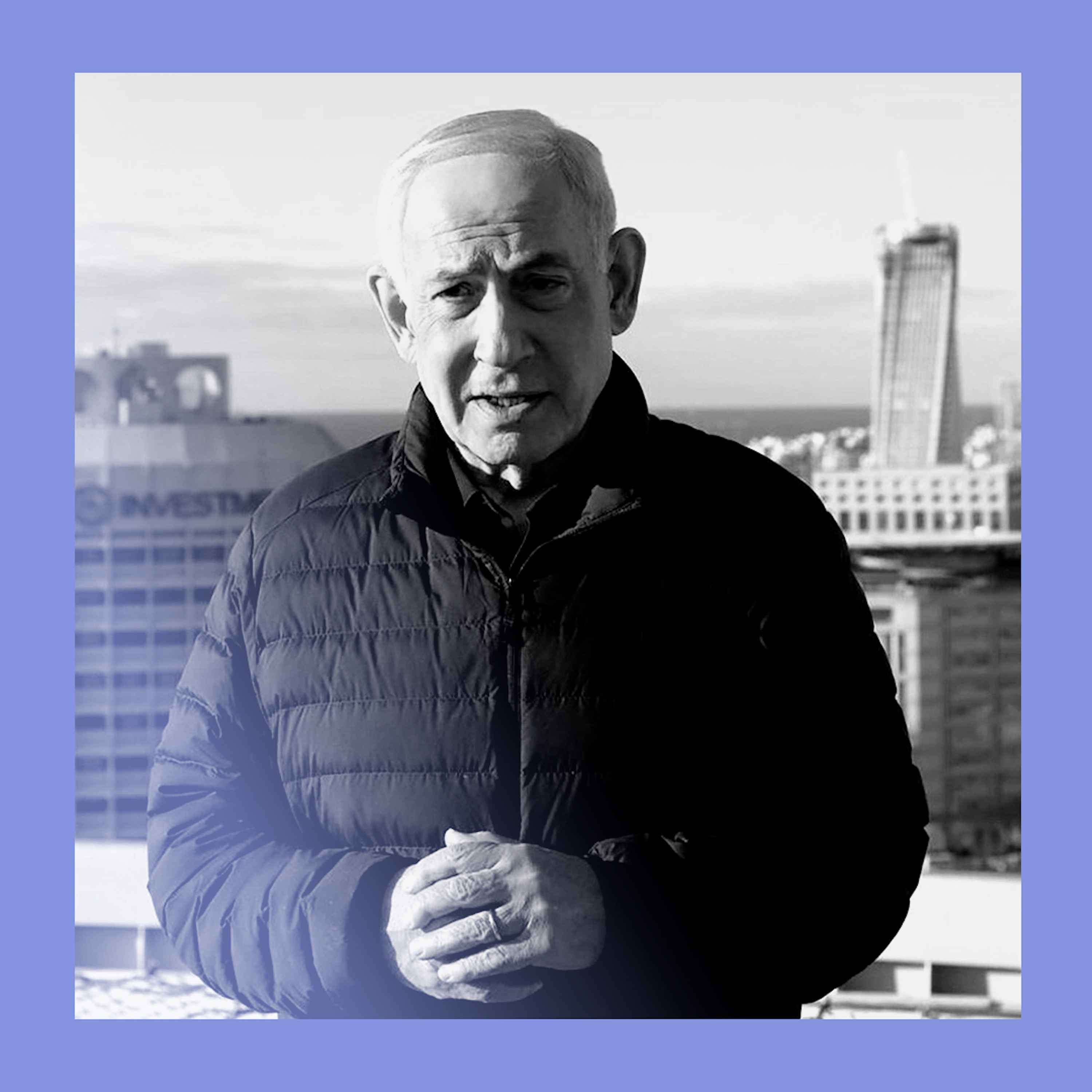
Unlike nascent revolutionary states that rally against foreign attacks, late-stage dictatorships are weakened by military defeats. Iran's recent humiliations by Israel and the US have exposed incompetence and eroded the public's perception of strength, fueling protests and accelerating the regime's demise.

Despite significant military losses, Iran is successfully leveraging its control over the Strait of Hormuz. This asymmetric strategy chokes global energy markets, creating economic pain that Western nations may be less willing to endure than Iran, potentially snatching a strategic victory from a tactical defeat.
