Get your free personalized podcast brief
We scan new podcasts and send you the top 5 insights daily.
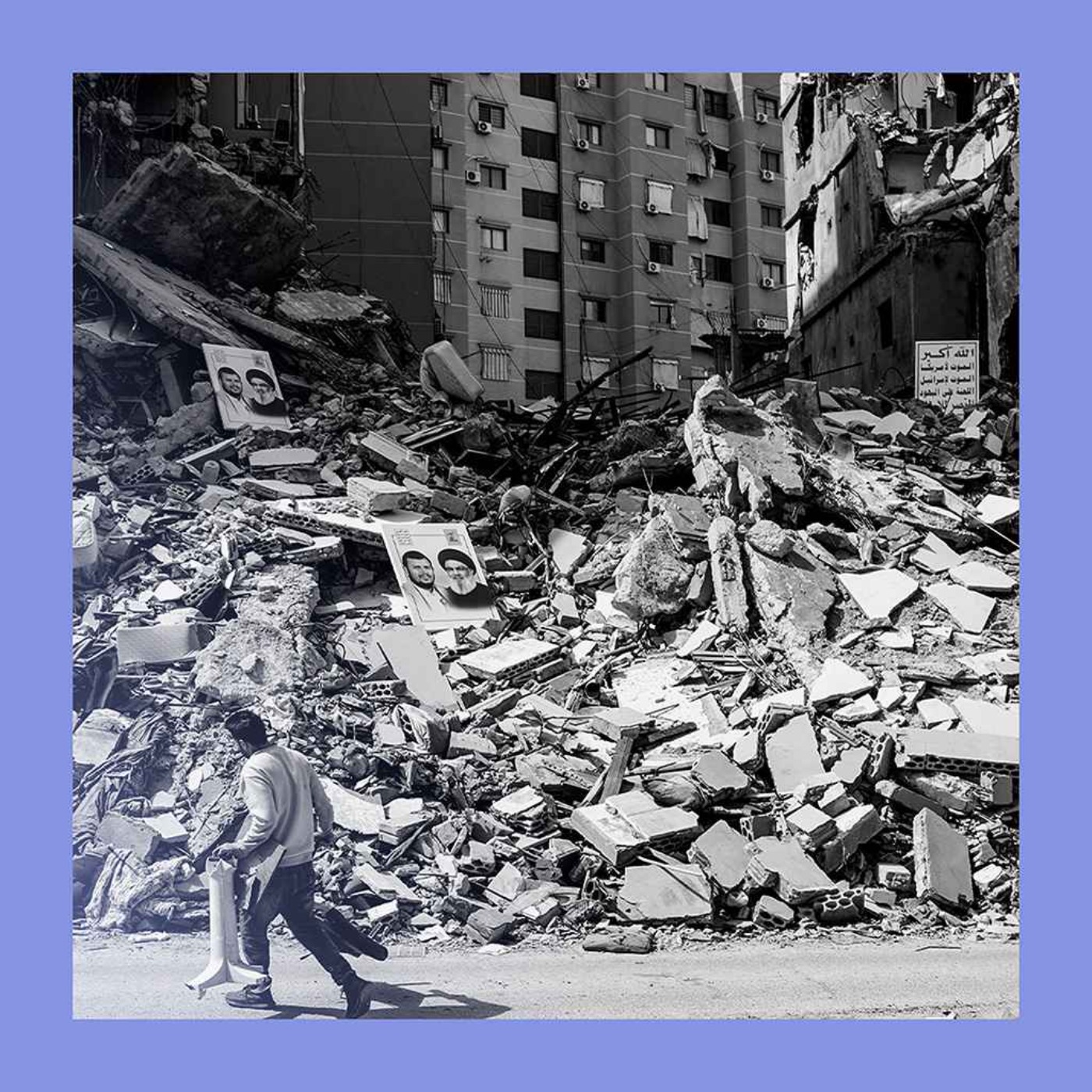
Instead of a direct, high-risk military conflict, the Lebanese government's strategy is to gradually weaken Hezbollah. This involves reasserting control over state institutions like Beirut's airport, cutting off funding, and disrupting illicit revenue streams, effectively suffocating the group without a direct fight.
Related Insights
Before the latest conflict, a viable path existed to confront Hezbollah by investing in and empowering the Lebanese Armed Forces to act. This strategy, which had domestic support within Lebanon, was ignored in favor of an Israeli military operation—a tactic that has historically failed to reduce Hezbollah's long-term power.

Hezbollah maintained popular support by providing extensive social services, acting as a "state within a state." However, this social contract has weakened due to financing problems from its patron, Iran. This has eroded its domestic support base even before the latest conflict escalated, making it more vulnerable.

Israeli officials are split on handling the Lebanon conflict. Diplomats favor weakening Hezbollah and empowering the Lebanese army, while hard-right politicians and military officials push for a long-term occupation of a 'security zone.' This internal division creates strategic ambiguity and complicates any clear path to resolution.
Strikes on financial institutions like the SEPA bank in Tehran are a sophisticated tactic to weaken a regime. The goal is to disrupt salary payments to military and security personnel, breaking their command structure and encouraging them to abandon their posts in the event of a mass revolt.

The conflict's new phase focuses on inflicting economic pain. Both sides are attacking vital, non-military infrastructure like oil fields, fuel depots, and water desalination plants to test which economy can withstand more damage.
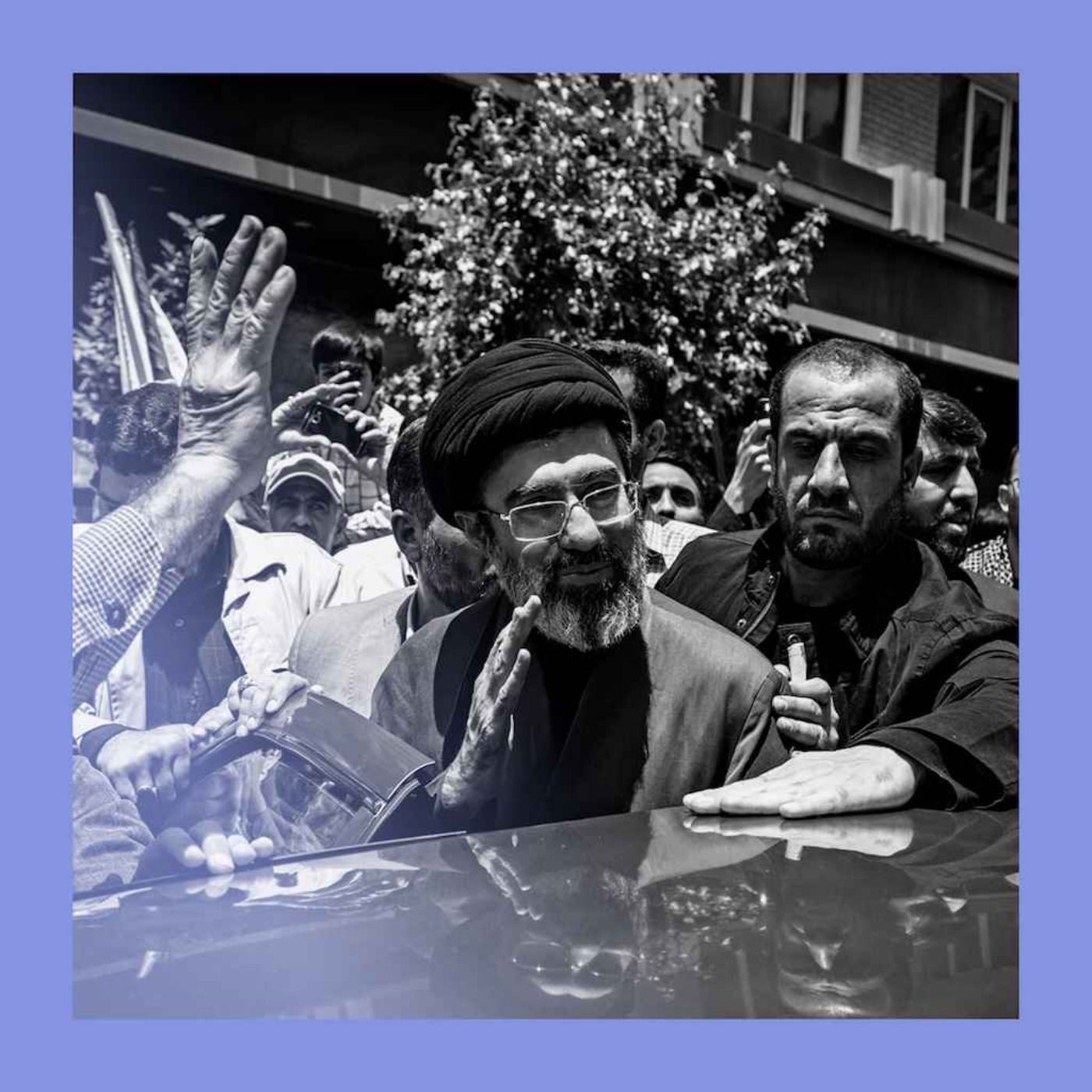
Instead of direct military intervention, a modern strategy involves crippling a nation's economy and military so severely that the regime deteriorates from internal pressure. This approach aims to force a collapse without committing ground troops, which is politically unpopular.

A militarily weaker nation can effectively counter a superpower by creating targeted fear and risk in a vital economic channel, like a shipping strait. By making insurance prohibitively expensive and transit dangerous, they can achieve strategic goals without needing to win a conventional military engagement.

Instead of a full-scale invasion, China is employing an "anaconda strategy" of constant, low-level pressure. Tactics like cutting undersea cables and sending drones are designed to exhaust and demoralize Taiwan, making a military response from the US difficult to justify.
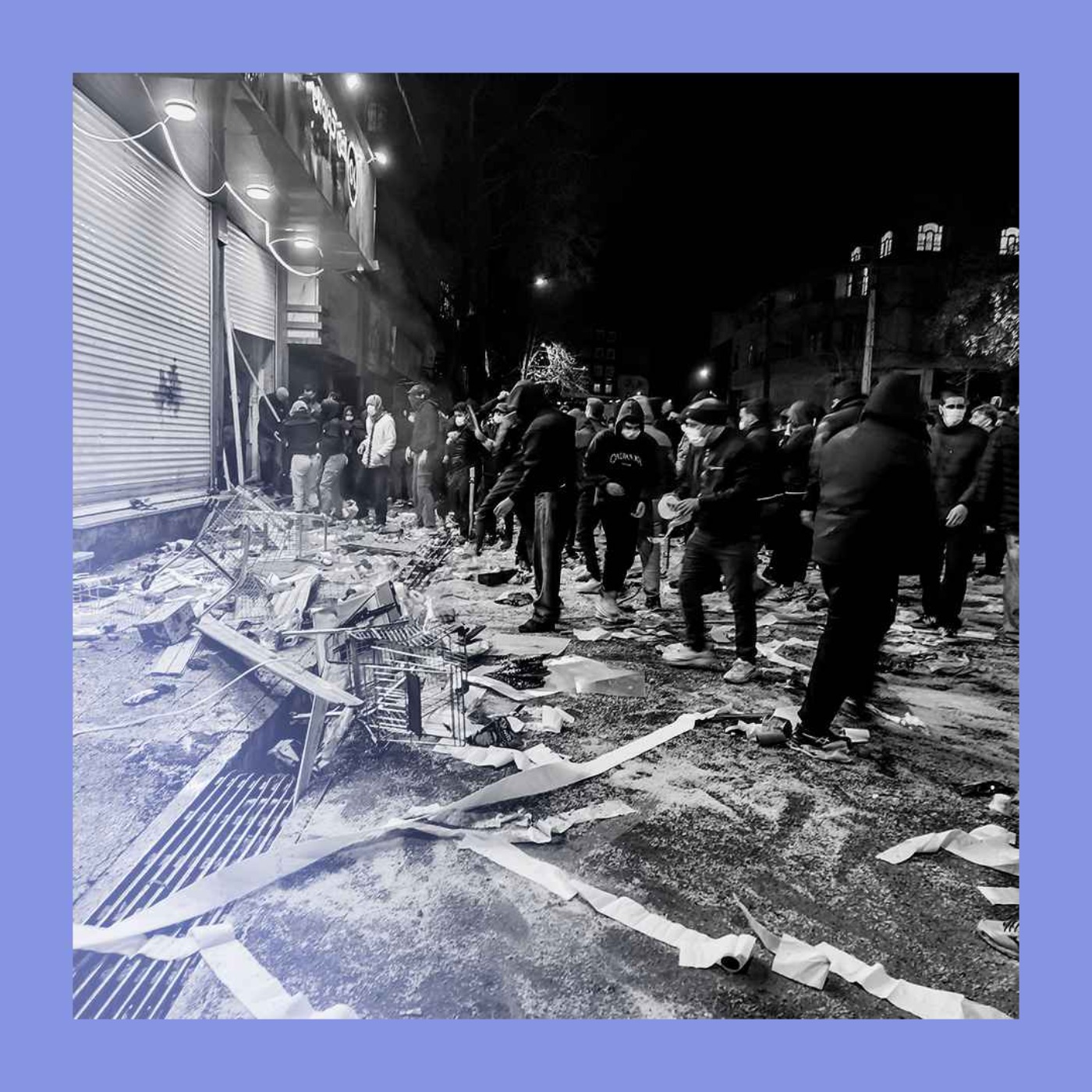
Historically, confronting Hezbollah was a dangerous taboo in Lebanese politics. Now, facing a potential Israeli invasion, the government has explicitly stated its aim to disarm the group, representing a significant shift in the Overton window of what is politically discussable and possible.
Despite significant military losses, Iran is successfully leveraging its control over the Strait of Hormuz. This asymmetric strategy chokes global energy markets, creating economic pain that Western nations may be less willing to endure than Iran, potentially snatching a strategic victory from a tactical defeat.