Get your free personalized podcast brief
We scan new podcasts and send you the top 5 insights daily.
To be creatively effective, walks must be done in complete solitude. Listening to music means you're on the "composer's walk," and bringing a dog means you're on the "dog's walk." True connection with your creative consciousness and a sense of "benevolence" only happens when it's just you, alone with your thoughts and surroundings, without any external input.

Related Insights
Creative breakthroughs rarely happen while staring at a screen. Disconnecting and engaging in physical activity like a run is a proven method for generating novel ideas, as the mental space it creates allows solutions and inspiration to surface.

Constant productivity keeps the brain in a high-frequency "beta" state, which stifles creativity. To solve complex problems, you must intentionally shift to a slower "alpha" state by disconnecting. This is achieved through simple, non-distracting activities like walking in nature without your phone.

Top creators don't wait for inspiration; they engineer it through structured rest. Activities like taking multiple showers (Sorkin), aimless boating (Einstein), or problem-solving walks (Darwin) look unproductive but are crucial for high-quality creative output. This contrasts with the modern tendency to brute-force solutions at a desk.

Our brains are most creative in a wandering, 'diffuse' state, like on a long walk. Constant phone checking keeps us in a 'focused' state, preventing the background connections that lead to novel ideas. We spend our days in a permanent state of distraction, inhibiting true creativity.

Studies find that time in nature causes people to think less about themselves and more about others and the wider world. It appears to make thoughts more positive and creative, reducing egocentric thinking and fostering a feeling of being part of something larger.
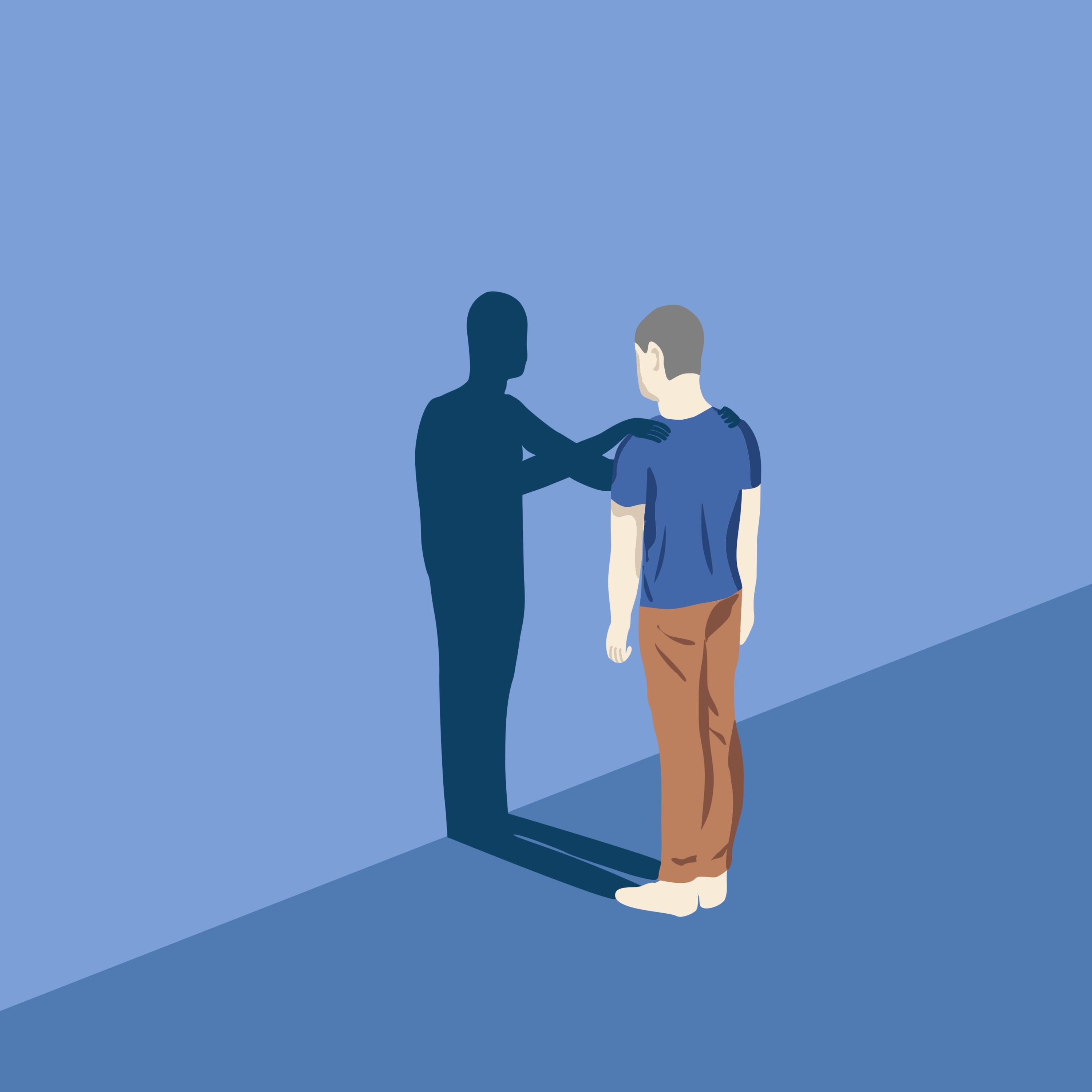
AI and digital tools create a seductive 'simulacra of productivity.' However, deep, creative work often arises from seemingly unproductive activities like walking without headphones or reading a physical book. We must fight the illusion of constant, machine-like productivity to do our best work.

While the internet connects us to a global 'collective unconscious,' it also risks overwhelming the individual. True creativity requires tuning out the noise to hear your own unique perspective. The modern 'Walden Pond' is turning off the internet.

The most crucial part of creativity is letting ideas "simmer" in the unconscious. After gathering information, step away from the problem completely. Engage in unrelated activities. This allows your mind to make novel connections you can't force through active thought.

Activities like train rides (J.K. Rowling) or walking are mildly stimulating without demanding full attention. This 'softly fascinating' state occupies the conscious mind just enough to allow the unconscious to wander, make connections, and deliver insights, unlike high-stimulation or deep-focus environments.
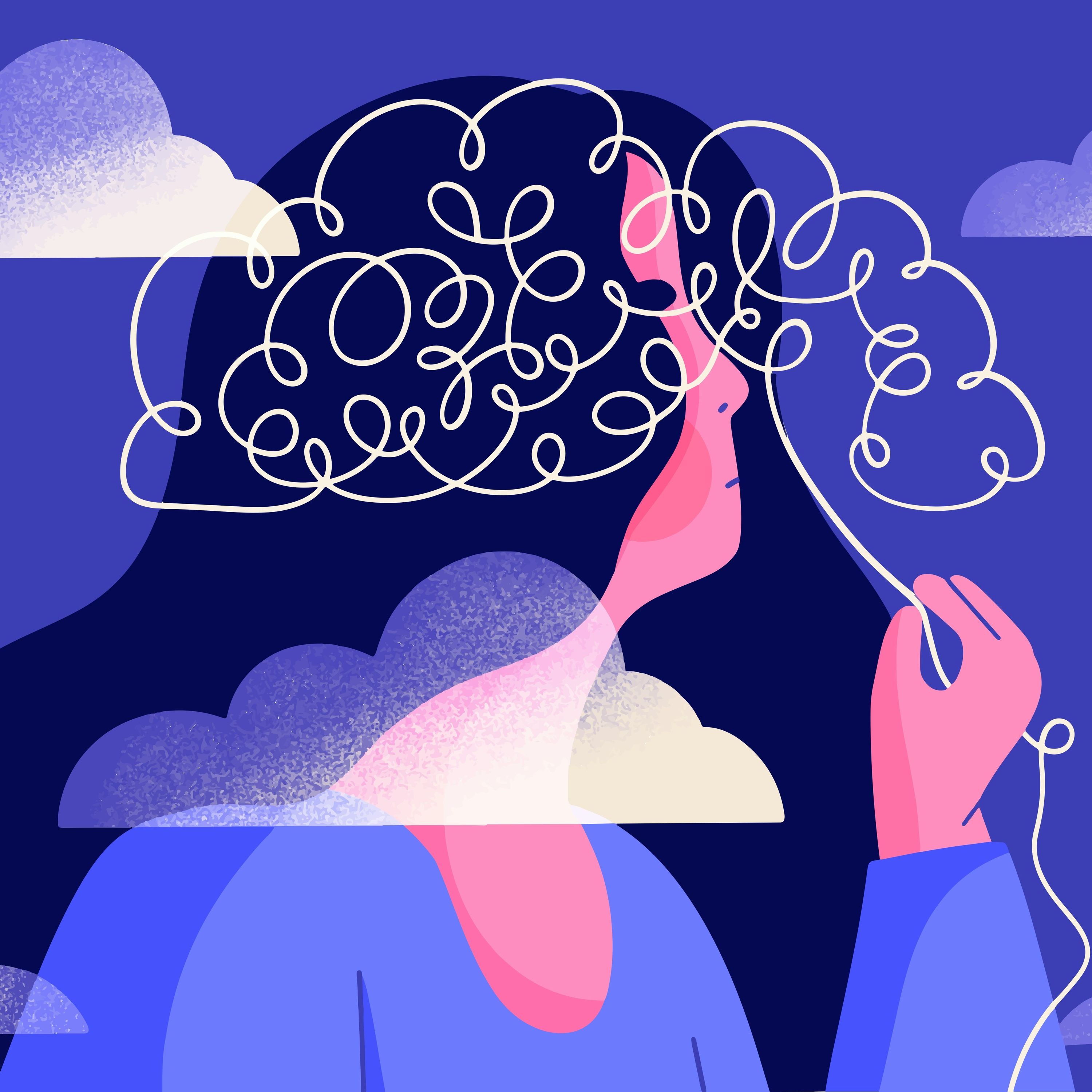
If you're stuck on a problem for over 10 minutes, change your physical state to change your mental state. Taking a walk creates an optimal condition for breakthroughs: it aligns brain and body, allows attention to wander productively without fixating, and prevents rumination.