Get your free personalized podcast brief
We scan new podcasts and send you the top 5 insights daily.
Studies find that time in nature causes people to think less about themselves and more about others and the wider world. It appears to make thoughts more positive and creative, reducing egocentric thinking and fostering a feeling of being part of something larger.

Related Insights
Experiencing awe—the feeling from confronting something vast and indescribable—induces a "shrinking of the self." This psychological effect makes you feel smaller in the grand scheme of things, which has the powerful side effect of diminishing the perceived size and weight of your personal troubles.
Living closely with animals transforms them from generic creatures into unique personalities like 'Lunch the baboon.' This expands one's sense of community beyond humans to include the surrounding wildlife, fostering a deep, relational connection to the environment that is absent in modern urban life.

The ability to experience awe—the feeling of being in the presence of something vast, like a waterfall or starry sky—builds resilience against heartbreak. It provides perspective by making your personal problems feel smaller, temporarily quieting the ego, and fostering a connection to the wider world.

Constant productivity keeps the brain in a high-frequency "beta" state, which stifles creativity. To solve complex problems, you must intentionally shift to a slower "alpha" state by disconnecting. This is achieved through simple, non-distracting activities like walking in nature without your phone.

A study found that students who spent just one to two minutes looking up at tall eucalyptus trees were subsequently more likely to help a stranger pick up dropped pens. This shows that even fleeting moments of awe can trigger immediate prosocial behavior.
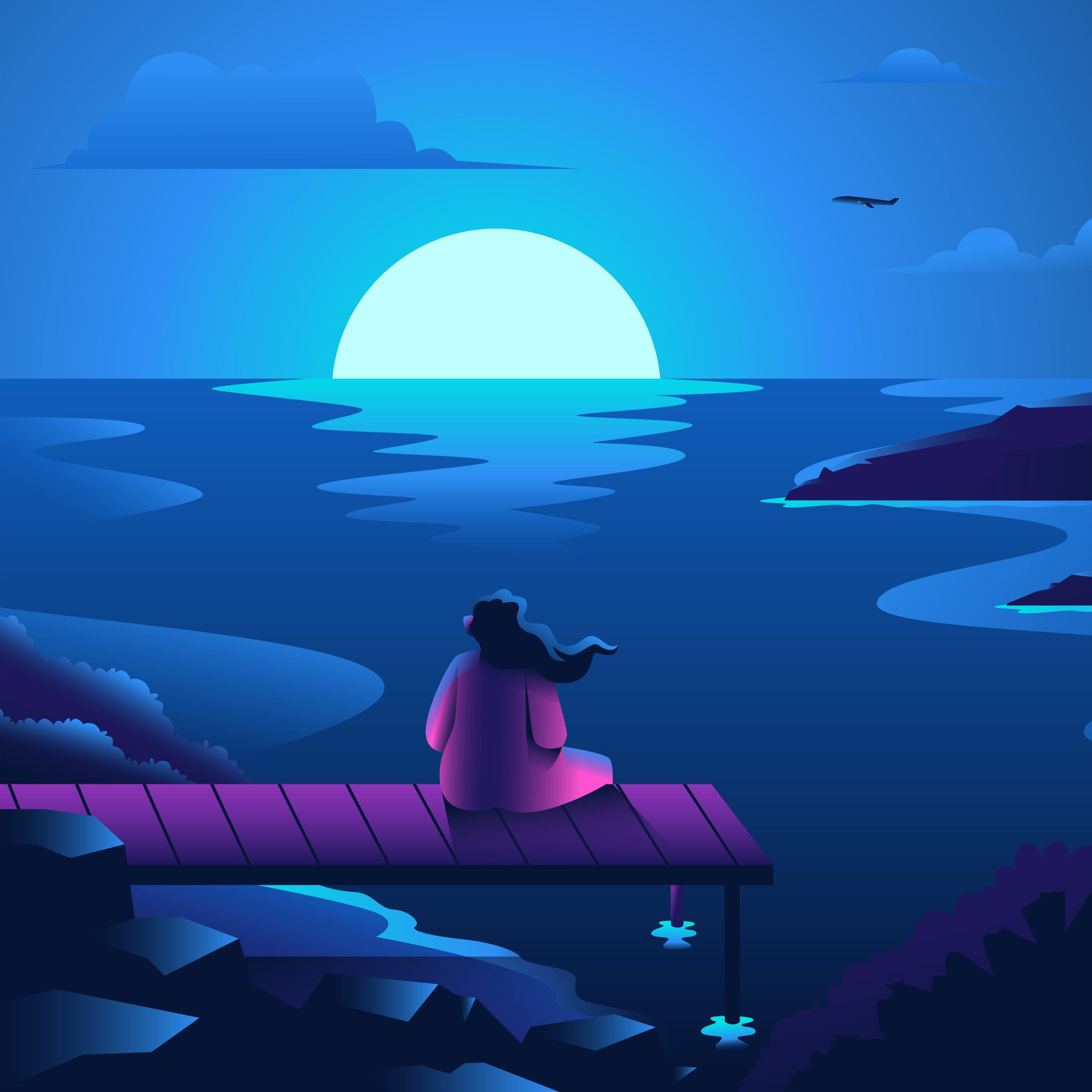
Humans have two attention types: fatigable 'directed attention' for focus and effortless 'involuntary attention.' Nature's 'softly fascinating' stimuli (like waves) engage involuntary attention, allowing our directed attention to recover. This is unlike chaotic urban environments that overwhelm all attentional resources.
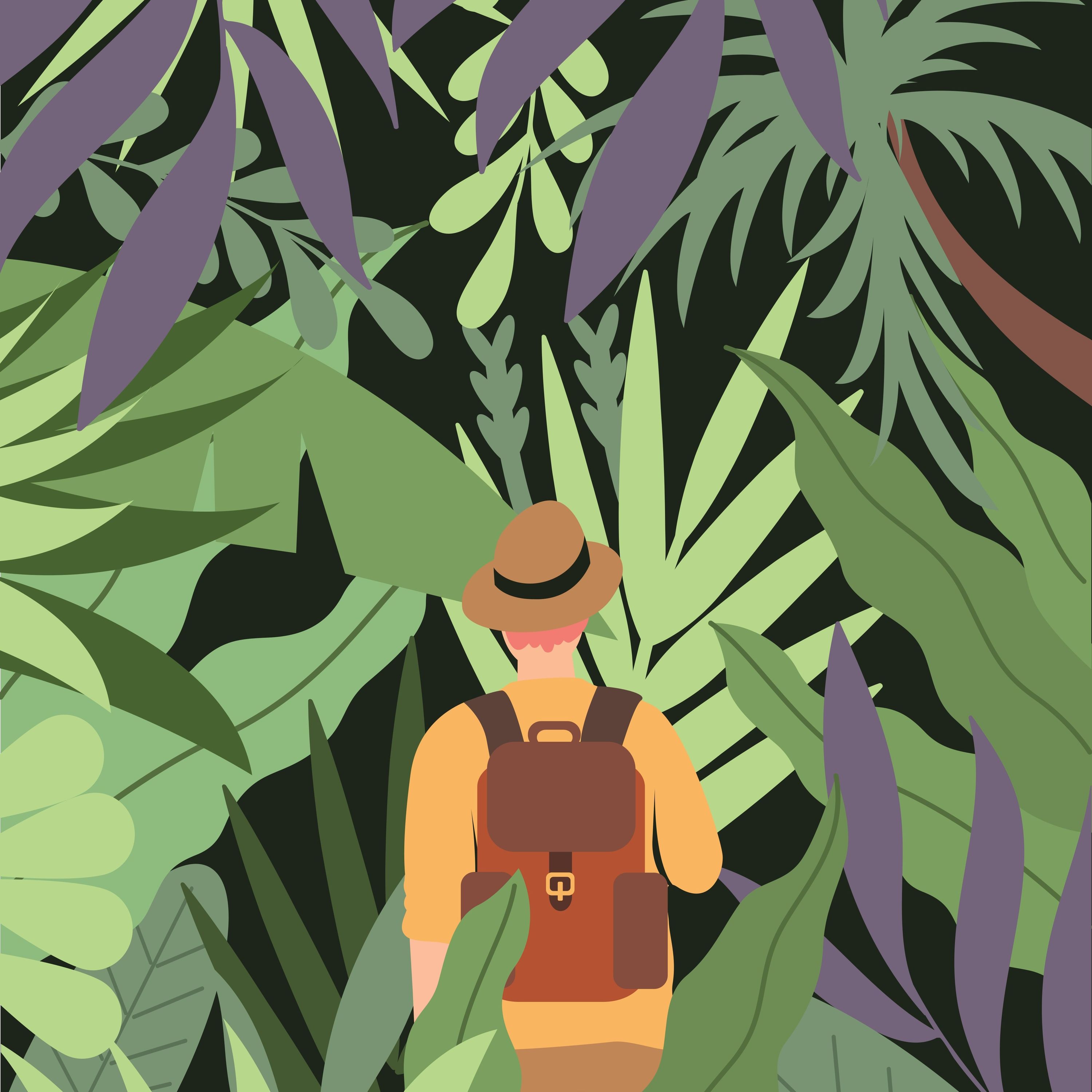
Research shows that walking in nature improves concentration by about 20%. Interestingly, this cognitive boost is independent of subjective enjoyment. Participants who disliked a cold winter walk received the same attentional benefits as those who enjoyed a pleasant summer walk.
Our culture, dominated by reading and screens, heavily biases us toward using focused vision. This is unnatural, as our default state should be open, panoramic awareness. To restore balance, improve reaction times, and reduce mental fatigue, one should intentionally practice this broader, softer gaze, especially in nature.

Paradoxically, achieving a deep sense of personal significance requires experiences of awe that make you feel small, like studying astronomy or being in nature. This shifts your perspective from the self-obsessed 'me-self' to the transcendent 'I-self,' which is the source of true meaning and peace.
Contrary to the self-help genre's focus on internal optimization, evidence suggests that true well-being comes from "unselfing." Activities that draw focus away from the self—like playing with a pet, appreciating nature, or socializing—are more effective than the introspective methods sold in books.