Get your free personalized podcast brief
We scan new podcasts and send you the top 5 insights daily.
While the internet connects us to a global 'collective unconscious,' it also risks overwhelming the individual. True creativity requires tuning out the noise to hear your own unique perspective. The modern 'Walden Pond' is turning off the internet.

Related Insights
Constant stimulation from digital media keeps our brains in a taxed 'work mode.' Intentionally disconnecting and allowing for boredom activates the default mode network, a resting state that fosters inward thinking, problem-solving, and ultimately, enhanced creativity. Our escape from boredom is often 'junk food for the mind.'

Constant productivity keeps the brain in a high-frequency "beta" state, which stifles creativity. To solve complex problems, you must intentionally shift to a slower "alpha" state by disconnecting. This is achieved through simple, non-distracting activities like walking in nature without your phone.

To access breakthrough ideas, creators like Renaissance Technologies founder Jim Simons create a mental space free from clutter. By lying in a dark, quiet room, they induce a sensory "vacuum" that allows subconscious thoughts and solutions, normally drowned out by daily noise, to surface.

The true cost of social media isn't just the time spent posting; it's the constant mental energy dedicated to it—planning content, checking engagement, and comparing yourself to others. Stepping away frees up significant cognitive "white space," allowing for deeper, more strategic thinking.

Feeling drained often comes from absorbing countless other people's lives, energies, and accomplishments online, not from the rigor of your own work. Disconnecting from social media is essential for creating the mental space required for strategic breakthroughs.

AI and digital tools create a seductive 'simulacra of productivity.' However, deep, creative work often arises from seemingly unproductive activities like walking without headphones or reading a physical book. We must fight the illusion of constant, machine-like productivity to do our best work.

The most crucial part of creativity is letting ideas "simmer" in the unconscious. After gathering information, step away from the problem completely. Engage in unrelated activities. This allows your mind to make novel connections you can't force through active thought.

By filling every spare moment, we prevent our brains from entering the 'default mode' needed for creativity and contemplating complex questions. This creates lives that feel uninteresting despite constant stimulation. Arthur Brooks advises scheduling tech-free time to allow for this essential 'blank space'.

Modern tools like email clutter our minds with external priorities, preventing the free mental space needed for our unconscious to work on our own important goals. To be creative, one must deliberately carve out time away from these reactive inputs and 'clean your mind'.
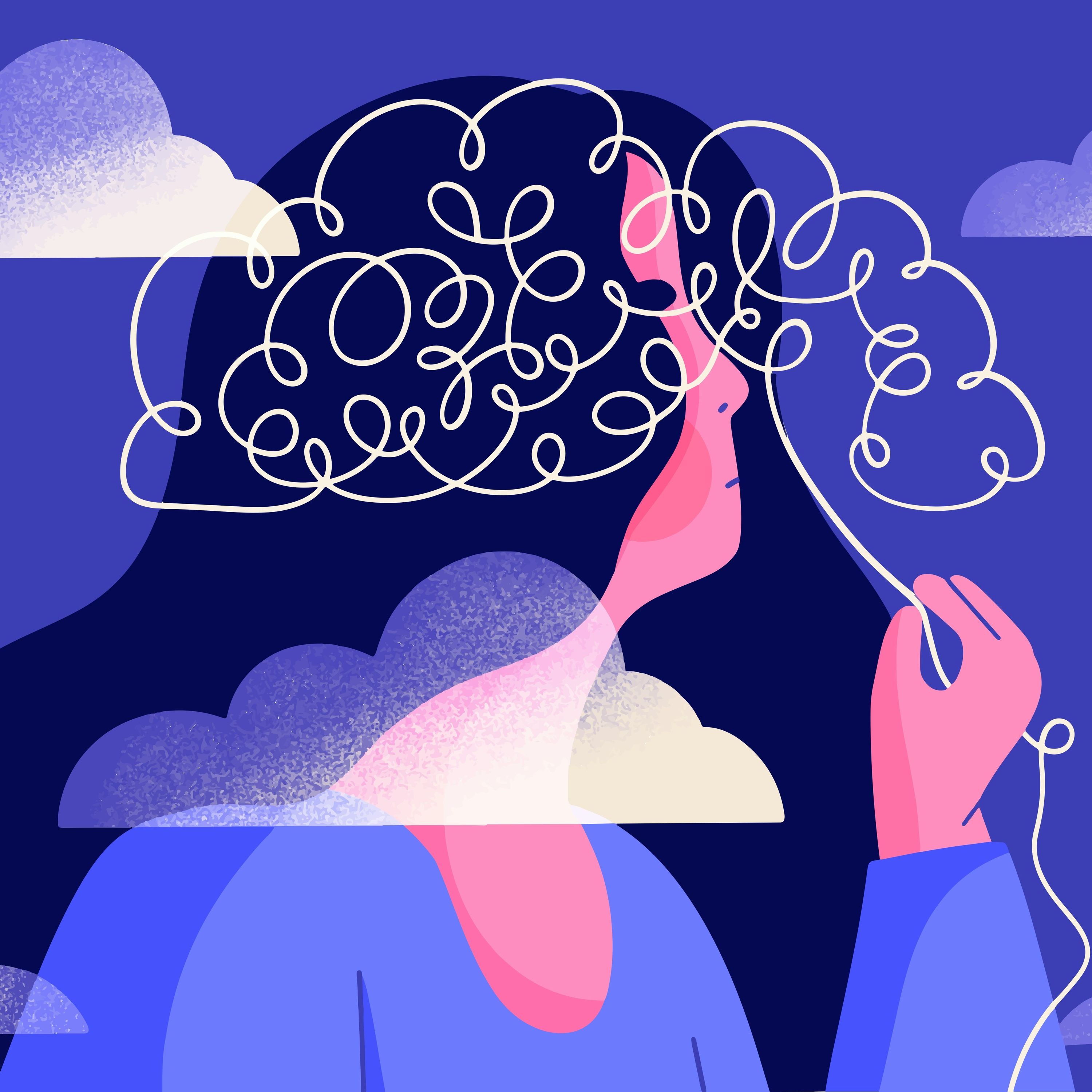
The narrative that AI-driven free time will spur creativity is flawed. Evidence suggests more free time leads to increased digital addiction, anxiety, and poor health. The correct response to AI's rise is not deeper integration, but deliberate disconnection to preserve well-being and genuine creativity.
![Media M&A - [Business Breakdowns, EP.230] thumbnail](https://megaphone.imgix.net/podcasts/8404be2a-a3c6-11f0-9d01-7b00b28a9d50/image/9a48597af1149c3b024e8d2f7327aa89.jpg?ixlib=rails-4.3.1&max-w=3000&max-h=3000&fit=crop&auto=format,compress)