Get your free personalized podcast brief
We scan new podcasts and send you the top 5 insights daily.
Bierut's biggest regret is a technically perfect catalog he designed early in his career. He only realized 15 years later, after experiencing the art live, that his design had completely failed to capture the work's emotional essence, a crucial lesson on the limits of pure craft.
Related Insights
The energy invested during the creative process is palpable in the final product. If a designer genuinely has fun exploring ideas, that positive energy transfers to the user experience. A rushed, joyless process results in a sterile product.

Beyond skill, craft, or technique, the defining quality of impactful art, products, or services is an invisible element: Did the person who made it truly care? This emotional investment creates a frequency that resonates with the audience on a soul level, separating masterful work from merely competent work.

Product 'taste' is often narrowly defined as aesthetics. A better analogy is a restaurant: great food (visuals) is necessary but not sufficient. Taste encompasses the entire end-to-end user journey, from being greeted at the door to paying the check. Every interaction must feel crafted and delightful.

When a creator genuinely enjoys the process and infuses a project with playfulness, that energy is palpable to the user. A project completed under stress and tight deadlines often feels sterile and rushed. The creator's emotional state is an invisible but impactful design material.
Technical talent is not the primary driver of resonant creative work. The key ingredient is 'taste'—an unteachable ability to discern what will be emotionally pleasing and impactful to an audience. This intuitive sense separates good creators from great ones.

Lovable's Head of Design treats a portfolio not as a document but as a product. He looks for an immediate "gut reaction" based on fundamental design quality like typography and composition. A portfolio that fails this initial, milliseconds-long test is quickly discarded, regardless of the projects within.
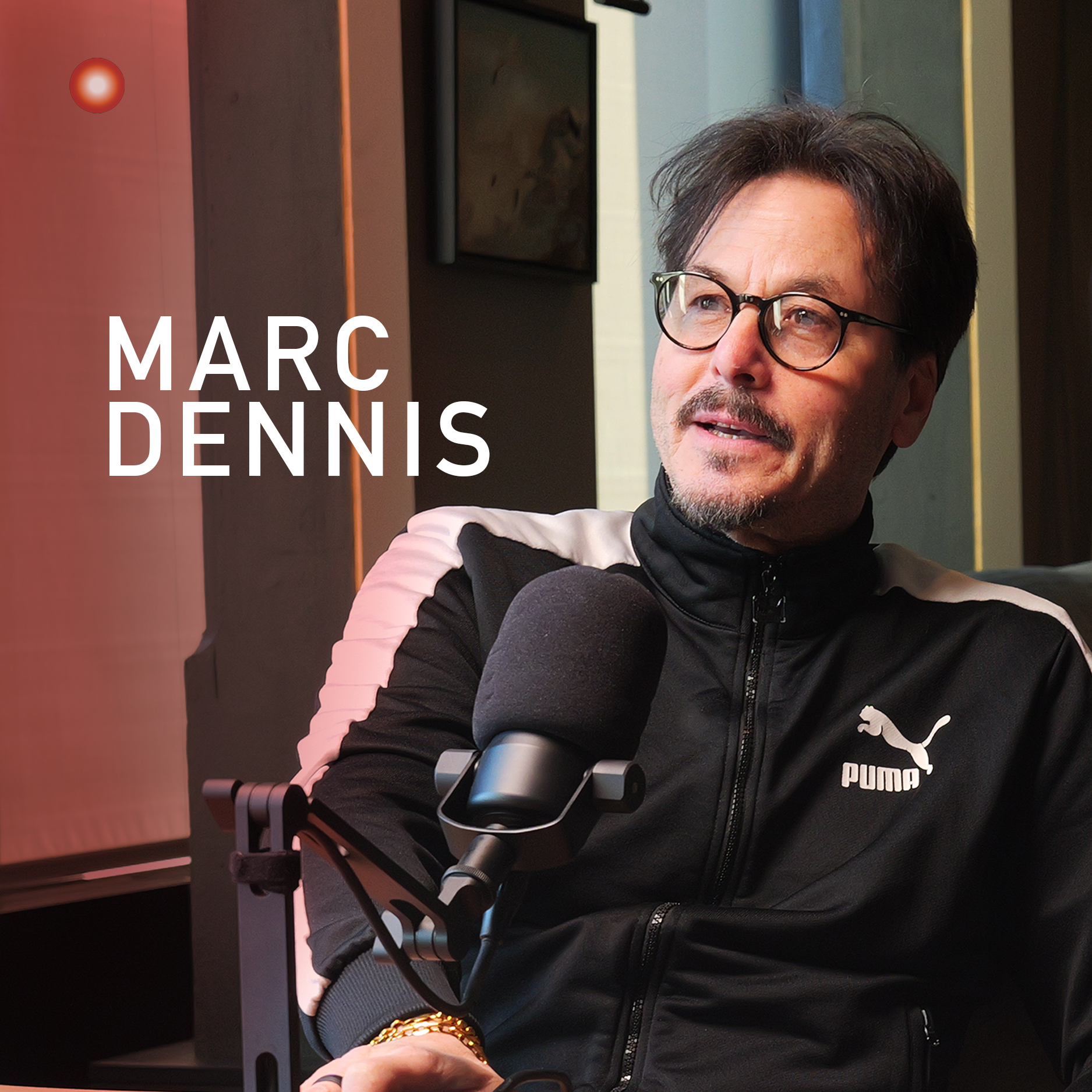
Instead of offering a formula for success, artist Marc Dennis tells aspiring creatives that the key to failure is trying to please everyone. True artistic success requires finding and staying true to a unique voice, even if it disappoints others' expectations or preconceived notions.
An engineering mindset prizes efficiency, but humanity prizes soulfulness. The most desirable experiences—from cuisine to travel—are deliberately inefficient. Building a beloved brand requires embracing this paradox and understanding that emotional connection is built on non-utilitarian details.
‘Form follows function’ is often misinterpreted as prioritizing utility above all. An object’s true function extends to its emotional and aesthetic impact on its environment. A drain pipe's job is not just to move water, but to also avoid making the world more boring or, ideally, to add charm.
The value of human-created work comes from its origin in a unique individual's lived experience. AI can mimic emotions like love or grief, but it cannot truly feel them. This inability to have an authentic emotional experience makes its creations replicable and fundamentally less valuable than true human expression.
