Get your free personalized podcast brief
We scan new podcasts and send you the top 5 insights daily.
A significant source of competitive advantage ("alpha") comes from systematically testing various AI models for different tasks. This creates a personal map of which tools are best for specific use cases, ensuring you always use the optimal solution.
![Building a Personal AI Model Map [AI Operators Bonus Episode] thumbnail](https://d3t3ozftmdmh3i.cloudfront.net/staging/podcast_uploaded_nologo/41472609/41472609-1752234663609-8665756a468e5.jpg)
Related Insights
The key for go-to-market leaders to stay relevant is hands-on experience with AI. Instead of delegating, leaders should personally select an AI tool, ingest data, and go through the iterative training process. This firsthand knowledge is a rare and highly valuable skill.
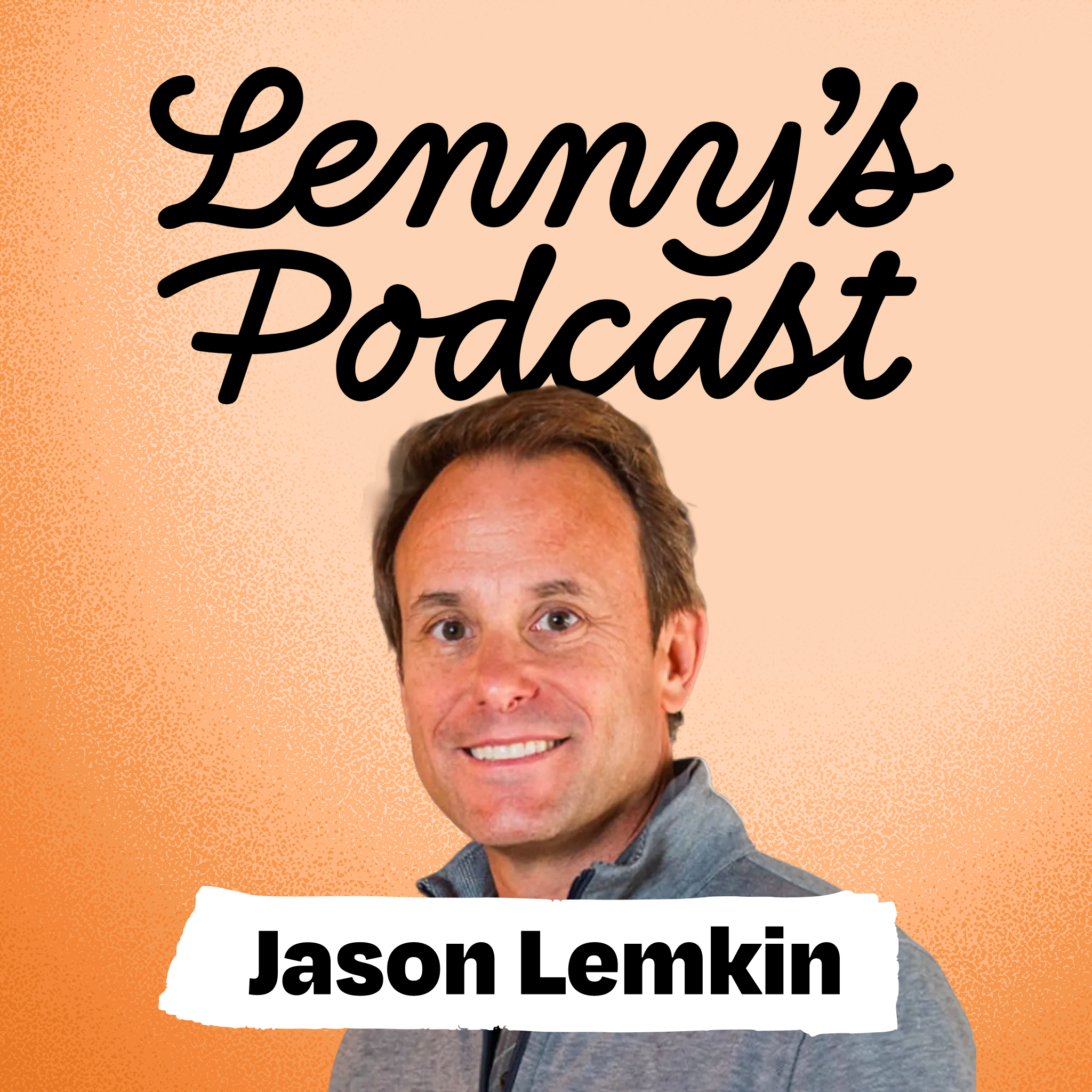
Simply offering the latest model is no longer a competitive advantage. True value is created in the system built around the model—the system prompts, tools, and overall scaffolding. This 'harness' is what optimizes a model's performance for specific tasks and delivers a superior user experience.

The key for enterprises isn't integrating general AI like ChatGPT but creating "proprietary intelligence." This involves fine-tuning smaller, custom models on their unique internal data and workflows, creating a competitive moat that off-the-shelf solutions cannot replicate.
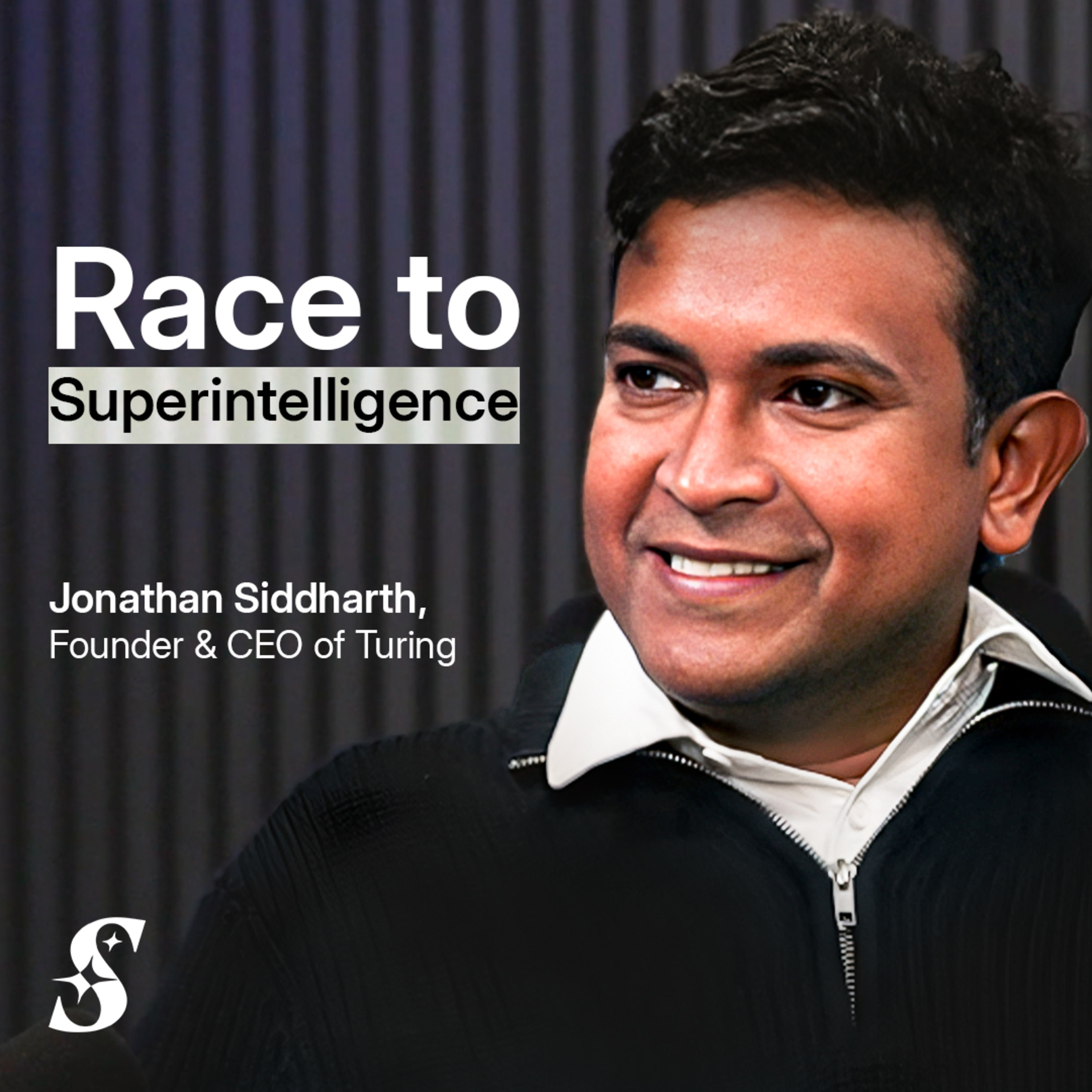
Instead of relying on one-off prompts, professionals can now rapidly build a collection of interconnected internal AI applications. This "personal software stack" can manage everything from investments and content creation to data analysis, creating a bespoke productivity system.

High productivity isn't about using AI for everything. It's a disciplined workflow: breaking a task into sub-problems, using an LLM for high-leverage parts like scaffolding and tests, and reserving human focus for the core implementation. This avoids the sunk cost of forcing AI on unsuitable tasks.
The goal of testing multiple AI models isn't to crown a universal winner, but to build your own subjective "rule of thumb" for which model works best for the specific tasks you frequently perform. This personal topography is more valuable than any generic benchmark.
Building a single, all-purpose AI is like hiring one person for every company role. To maximize accuracy and creativity, build multiple custom GPTs, each trained for a specific function like copywriting or operations, and have them collaborate.

Top performers won't rely on a single AI platform. Instead, they will act as a conductor, directing various specialized AI agents (like Claude, Gemini, ChatGPT) to perform specific tasks. This requires understanding the strengths of different tools and combining their outputs for maximum productivity.

Instead of guessing where AI can help, use AI itself as a consultant. Detail your daily workflows, tasks, and existing tools in a prompt, and ask it to generate an "opportunity map." This meta-approach lets AI identify the highest-impact areas for its own implementation.

The true power of AI in a professional context comes from building a long-term history within one platform. By consistently using and correcting a single tool like ChatGPT or Claude, you train it on your specific needs and business, creating a compounding effect where its outputs become progressively more personalized and useful.
