Get your free personalized podcast brief
We scan new podcasts and send you the top 5 insights daily.
Biologist William Muir's 'super chicken' experiment revealed that groups of top individual performers can end up sabotaging one another, leading to worse outcomes than more cooperative, average teams. In business, this 'too much talent problem' manifests as ego clashes and a breakdown in collaboration, undermining collective success.

Related Insights
Simply hiring superstar "Galacticos" is an ineffective team-building strategy. A successful AI team requires a deliberate mix of three archetypes: visionaries who set direction, rigorous executors who ship product, and social "glue" who maintain team cohesion and morale.

Exceptional people in flawed systems will produce subpar results. Before focusing on individual performance, leaders must ensure the underlying systems are reliable and resilient. As shown by the Southwest Airlines software meltdown, blaming employees for systemic failures masks the root cause and prevents meaningful improvement.
Organizational success depends less on high-profile 'superstars' and more on 'Sherpas'—generous, energetic team players who handle the essential, often invisible, support work. When hiring, actively screen for generosity and positive energy, as these are the people who enable collective achievement.
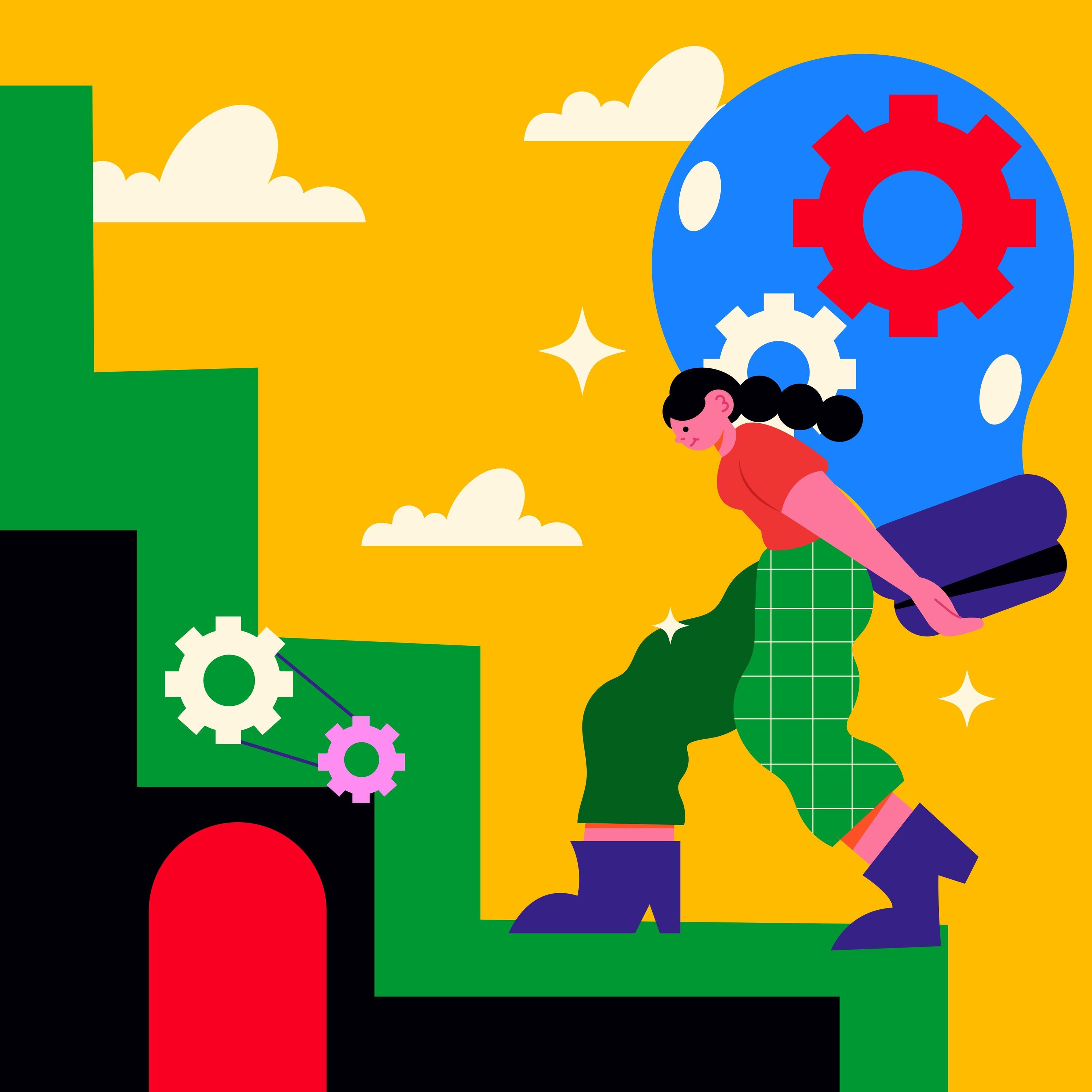
Professor Jeffrey Pfeffer reframes productivity as 'ability times motivation times your environment.' This model posits that an individual's output is significantly multiplied by being surrounded by high-caliber talent. The quality of the people in an organization elevates everyone's work, a factor more critical than individual drive alone.
According to the 'dark side' of Metcalfe's Law, each new team member exponentially increases the number of communication channels. This hidden cost of complexity often outweighs the added capacity, leading to more miscommunication and lost information. Improving operational efficiency is often a better first step than hiring.
Leaders who always have the right answer often create an environment where others feel devalued and excluded. The blocker's real cost is not the accuracy of their ideas, but the damage done to team connection and collaborative decision-making, which prevents the team from arriving at the best solutions together.
Afeyan advises against making breakthrough innovation everyone's responsibility, as it's unsustainable and disruptive to daily jobs. Instead, companies should create a separate group with different motivations, composition, and rewards, focused solely on discontinuous leaps.
The common practice of hiring for "culture fit" creates homogenous teams that stifle creativity and produce the same results. To innovate, actively recruit people who challenge the status quo and think differently. A "culture mismatch" introduces the friction necessary for breakthrough ideas.

AI disproportionately benefits top performers, who use it to amplify their output significantly. This creates a widening skills and productivity gap, leading to workplace tension as "A-players" can increasingly perform tasks previously done by their less-motivated colleagues, which could cause resentment and organizational challenges.
Leveraging frameworks like Human Design transforms team collaboration. By understanding archetypes (e.g., a fast-executing Manifesting Generator vs. a guiding Projector), team members can anticipate and accommodate different work styles, turning potential points of friction into a complementary partnership.