Get your free personalized podcast brief
We scan new podcasts and send you the top 5 insights daily.
In a moment of exhaustion and frustration after completing his eight-year Beatles biography, Spitz discarded all his research, notes, and interviews. This irreversible mistake means hundreds of unpublished stories from the 1,700 pages cut from the original manuscript are lost forever, a cautionary tale for any creator.

Related Insights
A marketer reveals a major error from early in their career for the first time on the podcast. The memory still brings back palpable feelings of "anxiety and dread," showing the long-term psychological weight of professional mistakes, even when there are no negative consequences.

Failing to release your finished work does more than delay a single project; it creates a creative bottleneck. Like writing the same diary entry for years, it prevents you from moving forward, robbing your next potential works of the opportunity to be brought to life.

Despite her reputation for quick, witty writing, Laura Belgray experienced a year of procrastination, self-doubt, and near-despair writing her book. This highlights the immense psychological challenge of long-form projects, even for seasoned professionals, and the value of sharing those struggles.

Unlike modern scientists who publish findings, Renaissance innovators like Leonardo da Vinci and Brunelleschi actively hid their discoveries. They used coded writing and burned schematics to maintain their unique prestige. From a modern viewpoint, their desire for individual glory made them 'saboteurs of human progress' by preventing knowledge from compounding.

A journalist recounts dropping a single tape containing footage from a £10,000 international shoot down six flights of stairs, destroying it. This highlights how the value of physical media is not the object itself, but the costly work invested in its content. Simple carelessness can lead to significant financial loss.
Rick Rubin avoids regret by viewing each project as a "diary entry"—a reflection of the best he could do at a specific moment in time. Since it was the peak of his ability *then*, there's nothing to be critical of later. If it could have been better, he would have kept working on it.
Despite his immense success and wit, Mark Twain's life serves as a warning. The core lesson from his struggles, according to his biographer, is the importance of emotional regulation and forgiveness. The simple, powerful takeaway is: "When you're hurt, let it go."

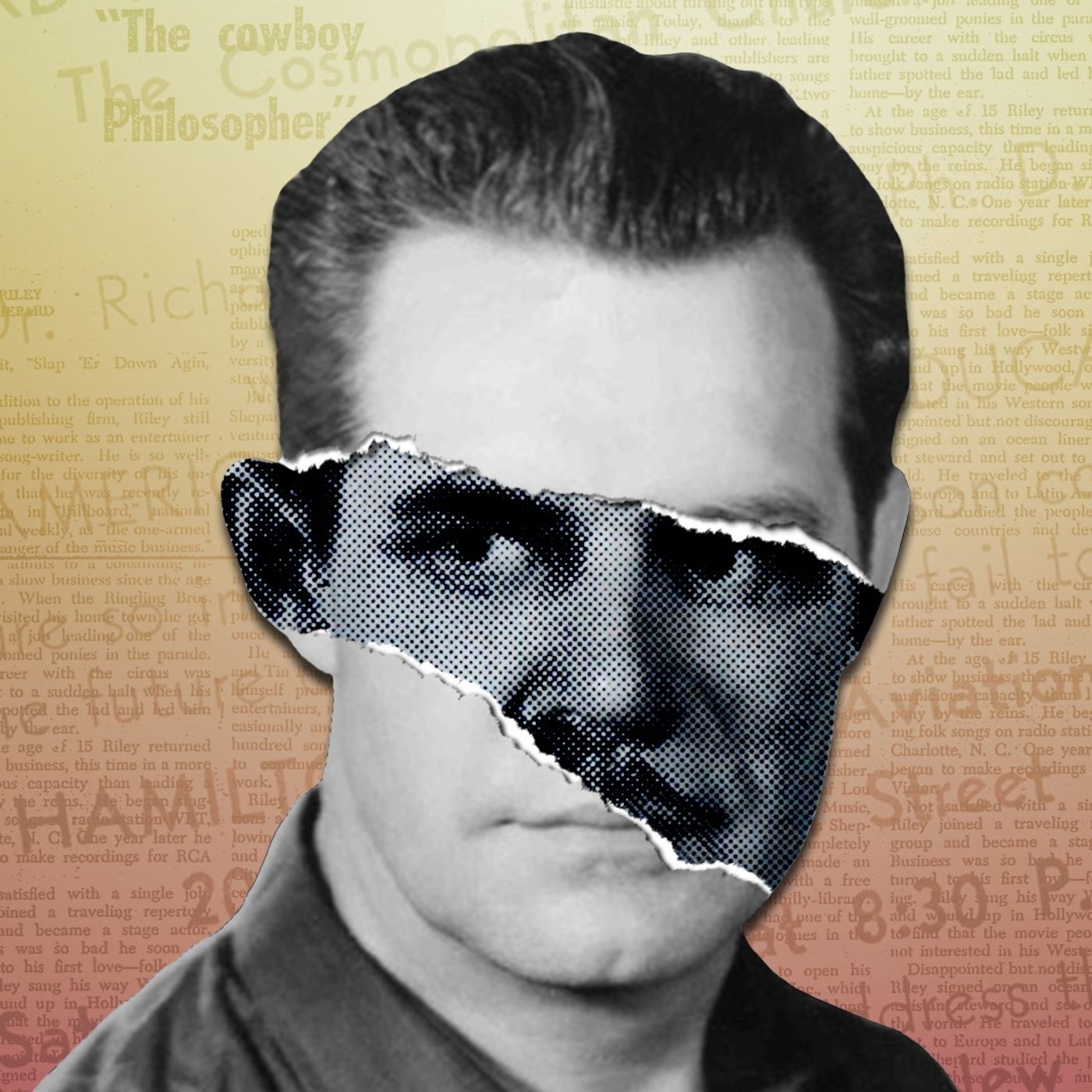
Riley Shepherd's encyclopedia was seen as a con by his daughter, who experienced the financial fallout, but as genius by a folklorist. This shows a creator's internal motivation is often detached from a project's external perception or success, which is judged based on its collateral impact.
Spitz employs an unconventional writing method: he completes all research before writing, then proceeds from beginning to end without drafting or editing. He perfects each sentence as he goes. This led to a 2,800-page Beatles manuscript, later streamlined by cutting 1,700 pages, not rewriting them.
We vastly underestimate the volume of our own forgotten thoughts because, by definition, we can't recall what's been forgotten. This cognitive bug, the "forgetting paradox," means we should prioritize documenting ideas and not take any single thought too seriously, as most are ephemeral.