Get your free personalized podcast brief
We scan new podcasts and send you the top 5 insights daily.
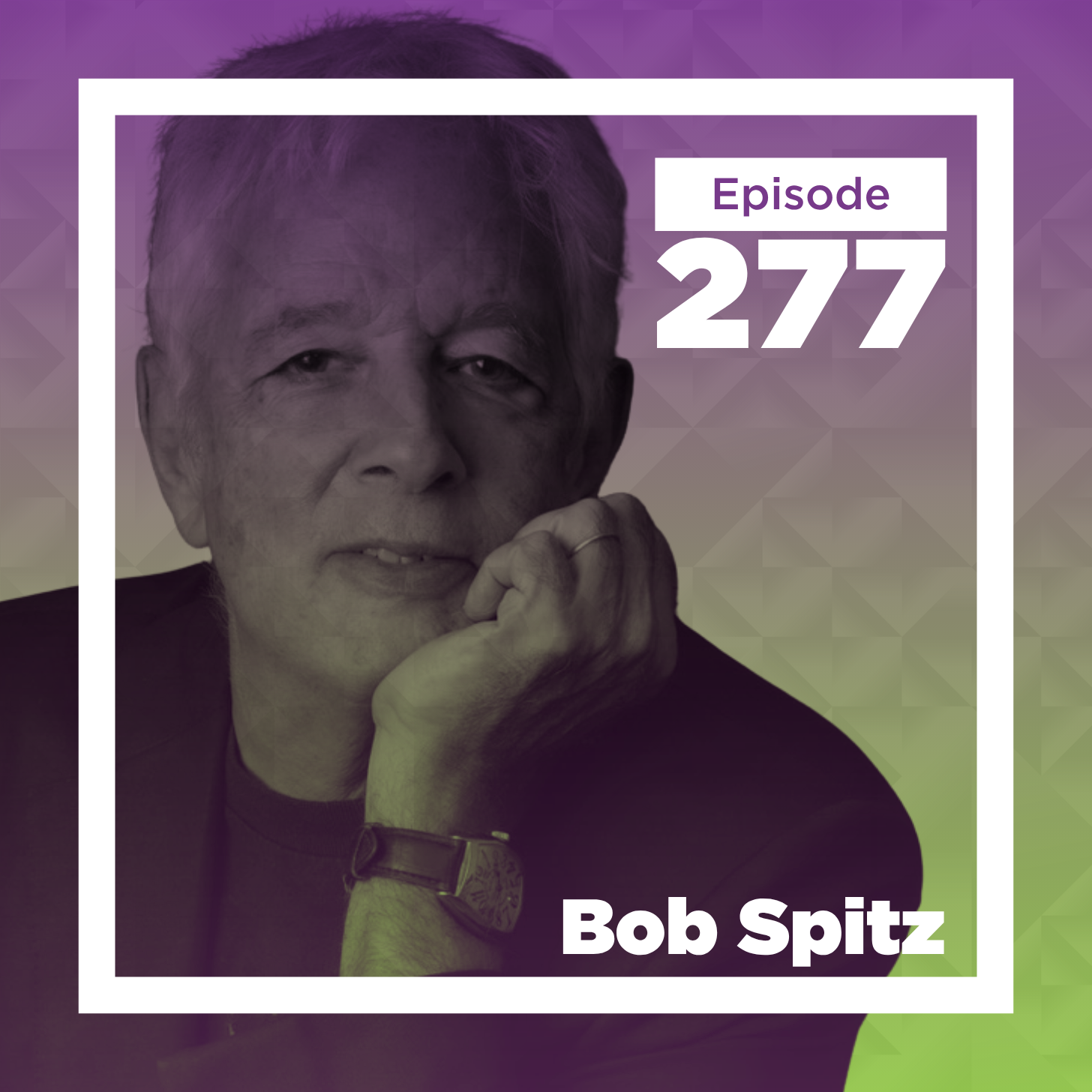
Spitz employs an unconventional writing method: he completes all research before writing, then proceeds from beginning to end without drafting or editing. He perfects each sentence as he goes. This led to a 2,800-page Beatles manuscript, later streamlined by cutting 1,700 pages, not rewriting them.
Related Insights
Many writers view editing as a chore. Nick Thompson, CEO of The Atlantic, argues the opposite: editing is where the most creative work occurs. This is the phase where you confront core questions about audience, structure, and clarity, transforming raw ideas into a polished, impactful piece of communication.
Great writing is not a stroke of genius but a craft of intense iteration. Observing Y Combinator founder Paul Graham showed that he would rewrite a single sentence dozens of times to achieve clarity and impact. This process of refinement is the key to persuasive and concise communication, demystifying the path to becoming a better writer.

To avoid getting bogged down, do not wait until all research is finished to begin writing. The writing process itself is a tool for discovery; it reveals what you actually need to know, helps refine your core questions, and keeps the topic engaging, preventing the boredom that comes from exhaustive upfront preparation.

To avoid writing 150% of his book's required length, author David Epstein constrained the entire structure to a single page before starting. If an idea wasn't on that page, it didn't go in the book. This simple rule forced prioritization, streamlined execution, and led to an early delivery.
Boswell's *Life of Johnson* was revolutionary because it moved beyond a formal recounting of achievements. By meticulously recording and reconstructing conversations, he created an immersive, psychologically rich portrait that made readers feel present, setting the template for modern biography.

To combat writing 150% of a book to get a 100% final draft, author David Epstein forced himself to outline his entire book on a single page. This macro-level constraint ensured every element served the core structure, leading to a much more efficient process and a tighter book.

Grisham rejects the "write a messy first draft" advice. He meticulously outlines and revises daily to avoid writing into dead ends. This "basher" method saves time by ensuring the story is sound from the start, a lesson learned after cutting a year's worth of work from his first novel.
Instead of a linear outline, Pompliano collects disparate ideas and connects them based on underlying themes or mental models. This piecemeal approach makes large projects feel more manageable by focusing on assembling related 'pieces' rather than starting from a blank page.

In a moment of exhaustion and frustration after completing his eight-year Beatles biography, Spitz discarded all his research, notes, and interviews. This irreversible mistake means hundreds of unpublished stories from the 1,700 pages cut from the original manuscript are lost forever, a cautionary tale for any creator.
When writing his book, Steve Garrity hired a developmental editor who did more than proofread. The editor cut 40% of the text and restructured the entire story to begin at the emotional low point, rather than chronologically. This highlights that an editor's greatest value can be in re-architecting the narrative for maximum impact.