Get your free personalized podcast brief
We scan new podcasts and send you the top 5 insights daily.
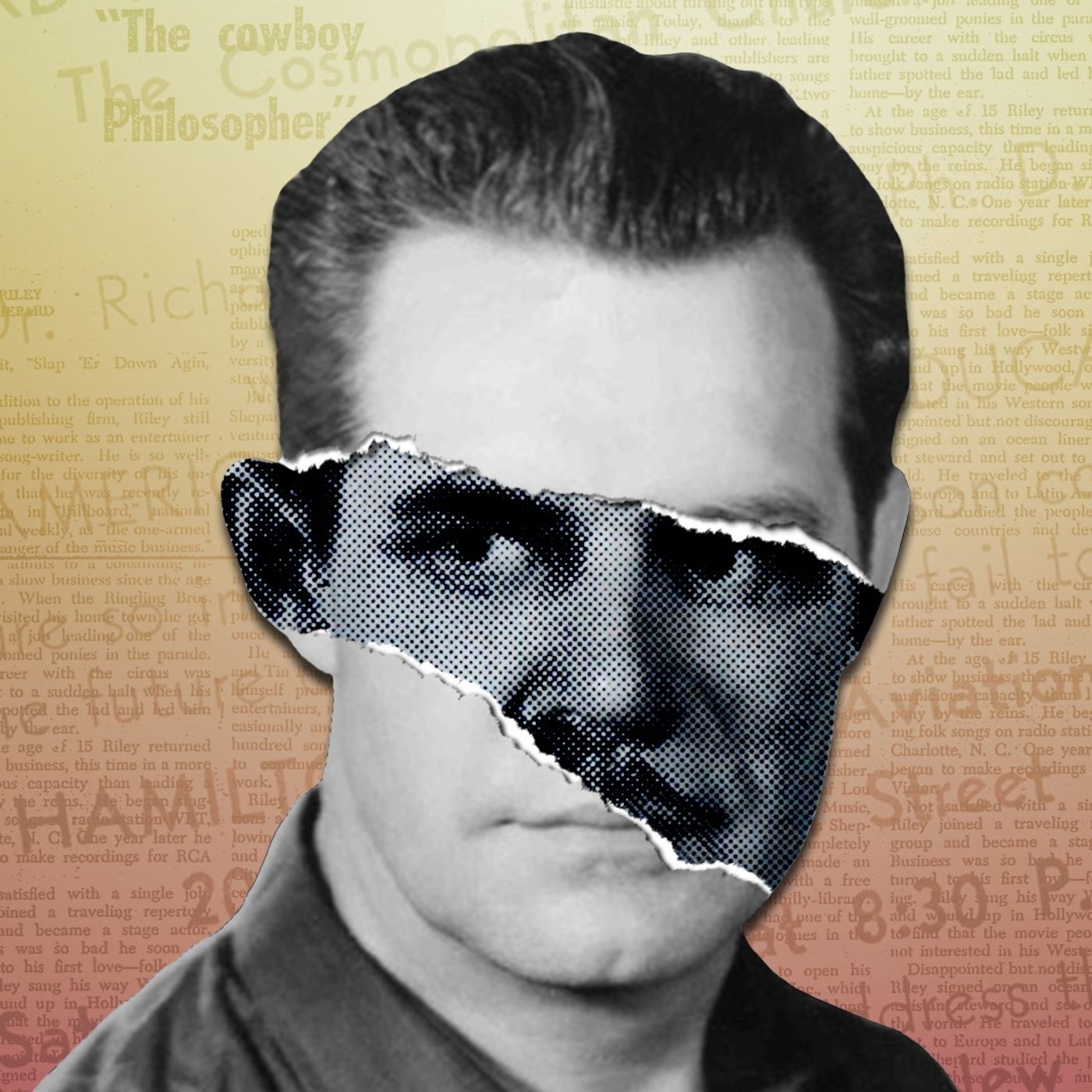
Riley Shepherd's encyclopedia was seen as a con by his daughter, who experienced the financial fallout, but as genius by a folklorist. This shows a creator's internal motivation is often detached from a project's external perception or success, which is judged based on its collateral impact.
Related Insights
For any creative work shared publicly, you will receive diametrically opposed feedback. One person will love a feature that another hates. Realizing that all feedback is subjective and contradictory frees you from the futile search for external validation and allows you to focus on your own vision.

People with truly unique careers operate from an 'inner scorecard.' They make decisions that align with their internal values and curiosities, even if those choices seem illogical to the outside world, which prioritizes external metrics.

An anecdote about the Beastie Boys reveals that prolific creators eventually stop chasing external validation (like a "platinum record") for every project. They accept some work won't be a smash hit and find satisfaction in the craft itself, guided by their own taste.

Riley Shepherd falsely claimed to have written "Blue Christmas," a famous song. This lie made his daughter, Stasha, jaded and skeptical of his true life's work, the folk encyclopedia. This shows how fabricating minor successes can cast doubt on and devalue one's legitimate, monumental achievements.
The memos, a cornerstone of investment literature, began without a grand strategy. Marks wrote them for a decade without a single response, driven purely by his enjoyment of the creative process. This underscores the power of intrinsic motivation in producing high-quality, enduring work.

The immense personal satisfaction from the creative process can be completely nullified if the final product underperforms publicly. This makes external validation, rather than the act of creation, the ultimate arbiter of fulfillment for many artists.

The greatest technological and medical breakthroughs often come from individuals maniacally obsessed with their work, frequently at the expense of their own health, relationships, and happiness. Society benefits immensely from their personal sacrifices.
Girish Redekar reflects that his years of failed ideas could be seen as stubbornness. Only because it eventually worked is it called determination. This highlights the subjective nature of evaluating founder persistence and the crucial role of co-founder support during lean times.

Twain took full responsibility for his writing but consistently blamed external partners for his frequent business failures, even those he personally selected and praised. This highlights a common psychological split where creators hold different standards of accountability for their art versus their commercial ventures.

To build a sustainable career, creatives can't rely solely on external validation like sales or praise. Motivation must come from the intrinsic value found in the act of "making the thing." This internal focus is the only way to avoid an insatiable and unfulfilling need for approval.
