Get your free personalized podcast brief
We scan new podcasts and send you the top 5 insights daily.
Faced with geopolitical uncertainty in key supplier nations, China employs a dual strategy for energy security. It has built a massive oil stockpile providing 120 days of cover for supply disruptions. Concurrently, it's rapidly electrifying its transport sector to reduce its long-term dependence on imported oil.

Related Insights
While Venezuela is a minor oil supplier to China, Iran is a substantial source of crude and heavy oil used for infrastructure projects like asphalt. A regime change in Iran could lead to the country selling its oil to the West instead of China, creating a significant economic and geopolitical destabilization for Beijing.

China's dominance in clean energy technology presents a deep paradox: it is funded by fossil fuels. Manufacturing solar panels, batteries, and EVs is incredibly energy-intensive. To meet this demand, China is increasing its coal imports and consumption, simultaneously positioning itself as a climate 'saint' for its green exports and a 'sinner' for its production methods.

As its import needs peak, China is positioned to transition from a simple demand center to a sophisticated global LNG trader. Its vast storage capacity, extensive regasification infrastructure, and diverse contract portfolio will provide the flexibility and optionality to resell cargoes and influence global energy flows.

China's renewed commitment to the previously stalled Power of Siberia 2 gas pipeline is a direct geopolitical response to the U.S. using trade and energy as weapons. This move signals a strategic pivot to reduce its energy dependency on the Western Hemisphere amid escalating trade tensions.

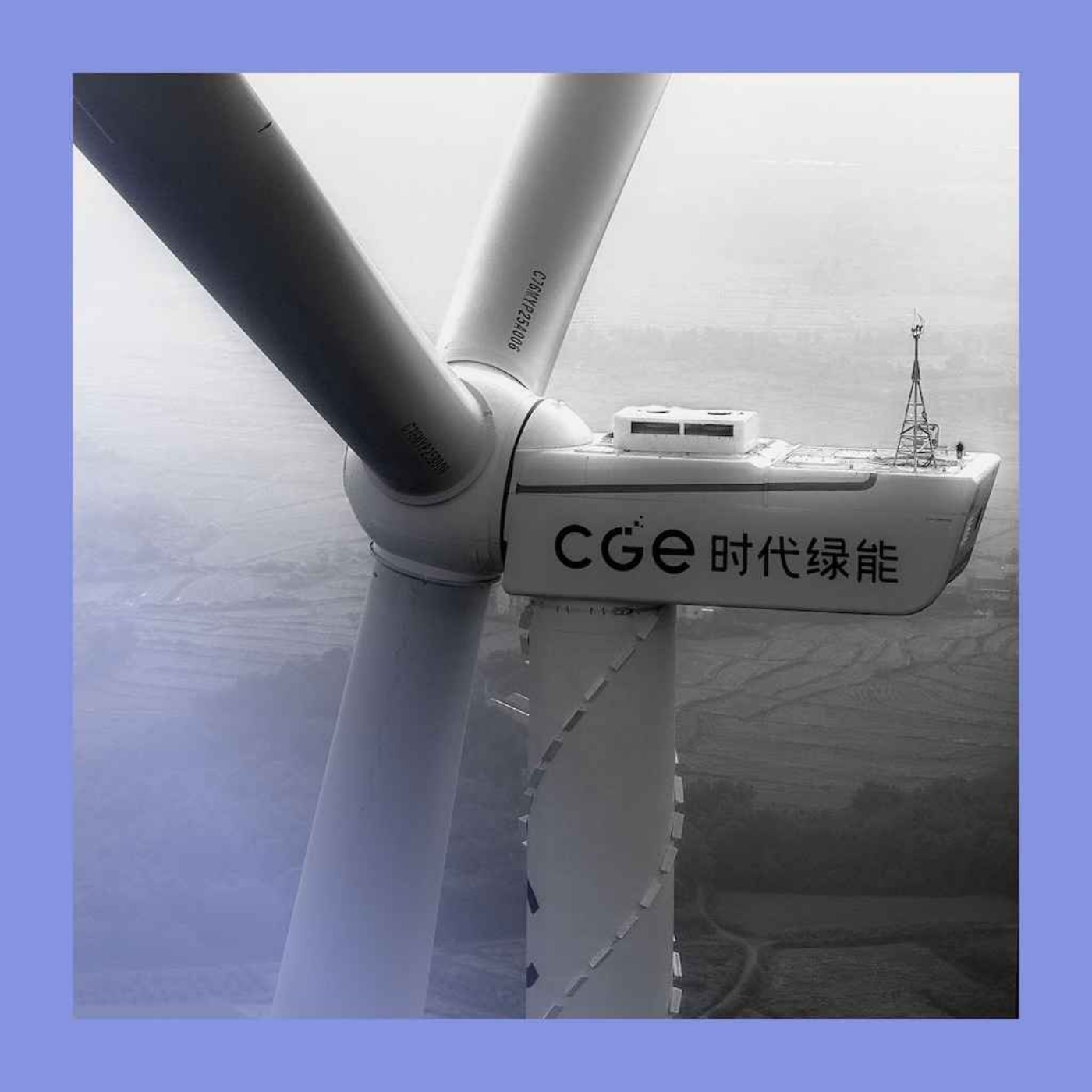
China's investment in green technology is driven less by environmentalism and more by strategic goals. By dominating renewables and EVs, China reduces its dependence on foreign oil—a key vulnerability in a potential conflict with the US—while building global soft power and boosting its GDP through green tech exports.
China's frantic deployment of solar is a strategic move to reduce dependence on oil imported through sea lanes it doesn't control, such as the Strait of Malacca. By becoming an 'electrostate,' China aims to neutralize a key point of economic and military leverage held by the U.S. and its allies.

Beyond algorithms and talent, China's key advantage in the AI race is its massive investment in energy infrastructure. While the U.S. grid struggles, China is adding 10x more solar capacity and building 33 nuclear plants, ensuring it will have the immense power required to train and run future AI models at scale.
![Dan Wang - The US vs China In The 21st Century - [Invest Like the Best, EP.444] thumbnail](https://megaphone.imgix.net/podcasts/e1599a88-a9f6-11f0-b532-e3695bb27d60/image/0f5c07552cef2689e5834d56786ad6f1.jpg?ixlib=rails-4.3.1&max-w=3000&max-h=3000&fit=crop&auto=format,compress)
Massive expansion of Russian pipeline capacity, including the Power of Siberia 2, will increase gas flows to China from 38 BCM in 2025 to 106 BCM by 2035. This dramatic increase in secure overland supply is the primary reason why China's demand for seaborne LNG is forecast to peak and then plateau around 2032.
China has undergone a radical transformation, from being opened by British coal-fired warships in the 19th century to now being a nation whose immense fossil fuel demand and green energy manufacturing dominance fundamentally reshapes the entire global geopolitical landscape.
The global energy transition is also a geopolitical race. China is strategically positioning itself to dominate 21st-century technologies like solar and EVs. In contrast, the U.S. is hampered by a legacy mindset that equates economic growth with fossil fuels, risking its future competitiveness.
