Leagues maximize revenue by selling broadcast rights in multiple packages to different streamers. This forces fans to subscribe to several expensive services to follow a single team, costing upwards of $650 per season. This poor, costly user experience makes piracy a rational economic choice for many fans, regardless of income.
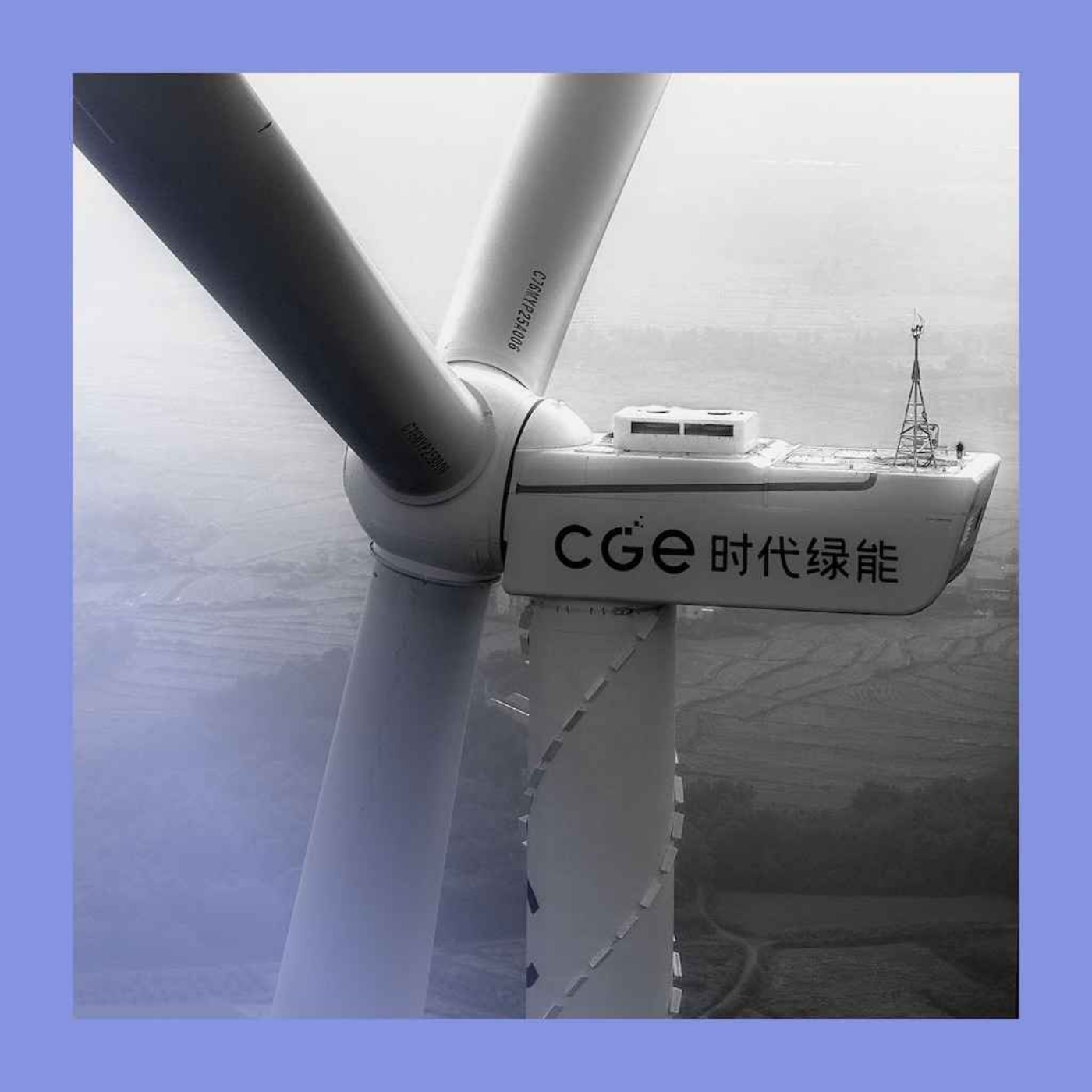
China's investment in green technology is driven less by environmentalism and more by strategic goals. By dominating renewables and EVs, China reduces its dependence on foreign oil—a key vulnerability in a potential conflict with the US—while building global soft power and boosting its GDP through green tech exports.
Historically, Western pop culture like punk and hip-hop defined rebellion. Now, imagery and music from East Asia—a region typically seen as conformist—are fueling global youth protests. Anime series like 'One Piece' and K-pop songs provide symbols of solidarity and courage for young activists worldwide.
Instead of solely fighting a losing 'whack-a-mole' battle against piracy, leagues like the NBA are now co-opting prolific pirates. They provide official access and content to these creators, effectively turning them into an in-house marketing arm that generates authentic content and engages new audiences.
Waving a national flag is a direct political act with serious risks in authoritarian countries. Activists are instead using pop culture symbols, like the pirate flag from the anime 'One Piece', to protest. This makes their message more ambiguous, providing a layer of plausible deniability to dodge censorship and reduce personal risk.