Get your free personalized podcast brief
We scan new podcasts and send you the top 5 insights daily.
Donald Trump's diplomatic strategy in the Middle East relied on vague, insubstantial Memorandums of Understanding (MOUs). This approach, seen in conflicts involving Iran, Yemen, and Gaza, fails to resolve core issues, leaving room for uncertainty and an eventual return to conflict because no concrete commitments are made upfront.

Related Insights
The touted $300 billion reconstruction fund for Iran is characteristic of Donald Trump's diplomatic style: offering a massive, vaguely defined financial incentive to "grease the wheels" of negotiation. With no confirmed funding, it serves as a powerful but likely unrealizable bargaining chip to achieve foreign policy goals.
The US offered financial incentives for peace, failing to grasp that Iran's goal was not money but solidifying regional dominance. The agreement's clauses on controlling the Strait of Hormuz and establishing a sphere of influence were Iran's primary objectives, which the US negotiator seemingly overlooked.

The Trump-Iran agreement is framed as a 'Memo of Understanding' (MOU), a common but non-enforceable business term. This signals a lack of serious commitment and legal standing, suggesting it's a temporary political maneuver rather than a durable international treaty, as only a fraction of MOUs ever become consummated deals.

The US-Iran agreement is a "deal to do more deal making," deferring critical issues like the nuclear program and long-term sanctions. This approach secures short-term stability but fails to resolve underlying conflicts, creating a high probability that the crisis will re-ignite once the interim negotiation period ends.

The Iran-US memorandum failed because a key phrase, "safe passage," was interpreted differently by each side, leading to renewed conflict. This highlights how diplomatic ambiguity can be a source of instability rather than a tool for compromise, turning intended solutions into the next source of dispute.
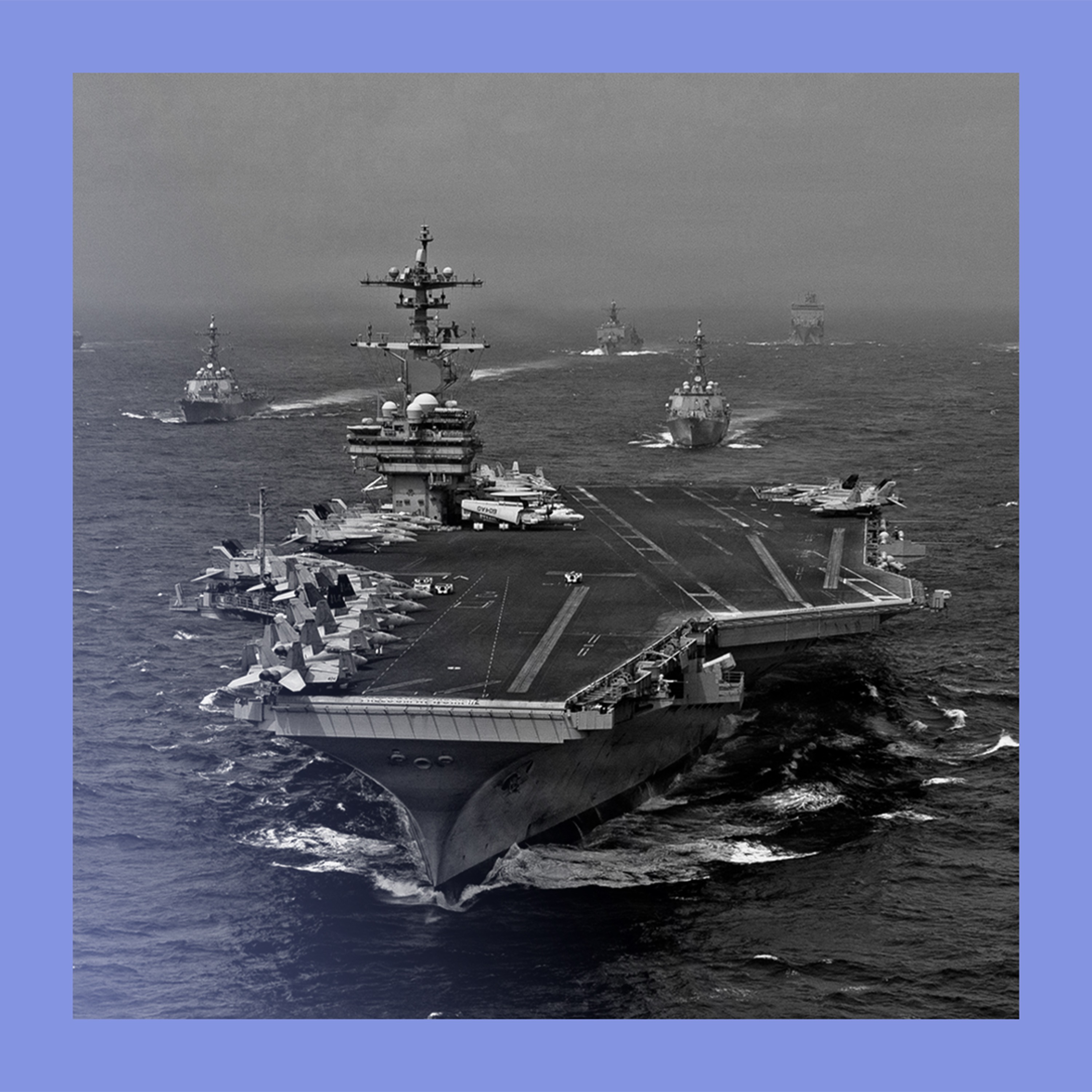
The administration aggressively talks about regime change, making promises to the Iranian opposition. However, the military actions and follow-up policies are not scaled to achieve this ambitious goal, creating a strategic disconnect that undermines the operation's credibility and clarity of purpose.

Constant, unfulfilled promises of an imminent deal with Iran make the U.S. appear weak and its leadership unreliable. This damages credibility with both allies and adversaries, regardless of whether a deal is eventually reached.

The public threats of a military strike against Iran may be a high-stakes negotiating tactic, consistent with Trump's style of creating chaos before seeking a deal. The goal is likely not war, which would be politically damaging, but to force Iran into economic concessions or a new agreement on US terms.

The breakthrough was achieved by splitting the agreement into phases. The initial, easier phase focuses on hostage release and partial withdrawal. The most contentious issues, like post-war governance and Hamas's disarmament, were intentionally postponed, creating both immediate success and future risk.

Western diplomats often misread Iran's negotiating tactics. Iran feigns agreement in talks to delay military or economic action, while simultaneously pursuing aggressive actions. This is not a contradiction but a deliberate strategy to buy time, which is consistently underestimated by its adversaries.
