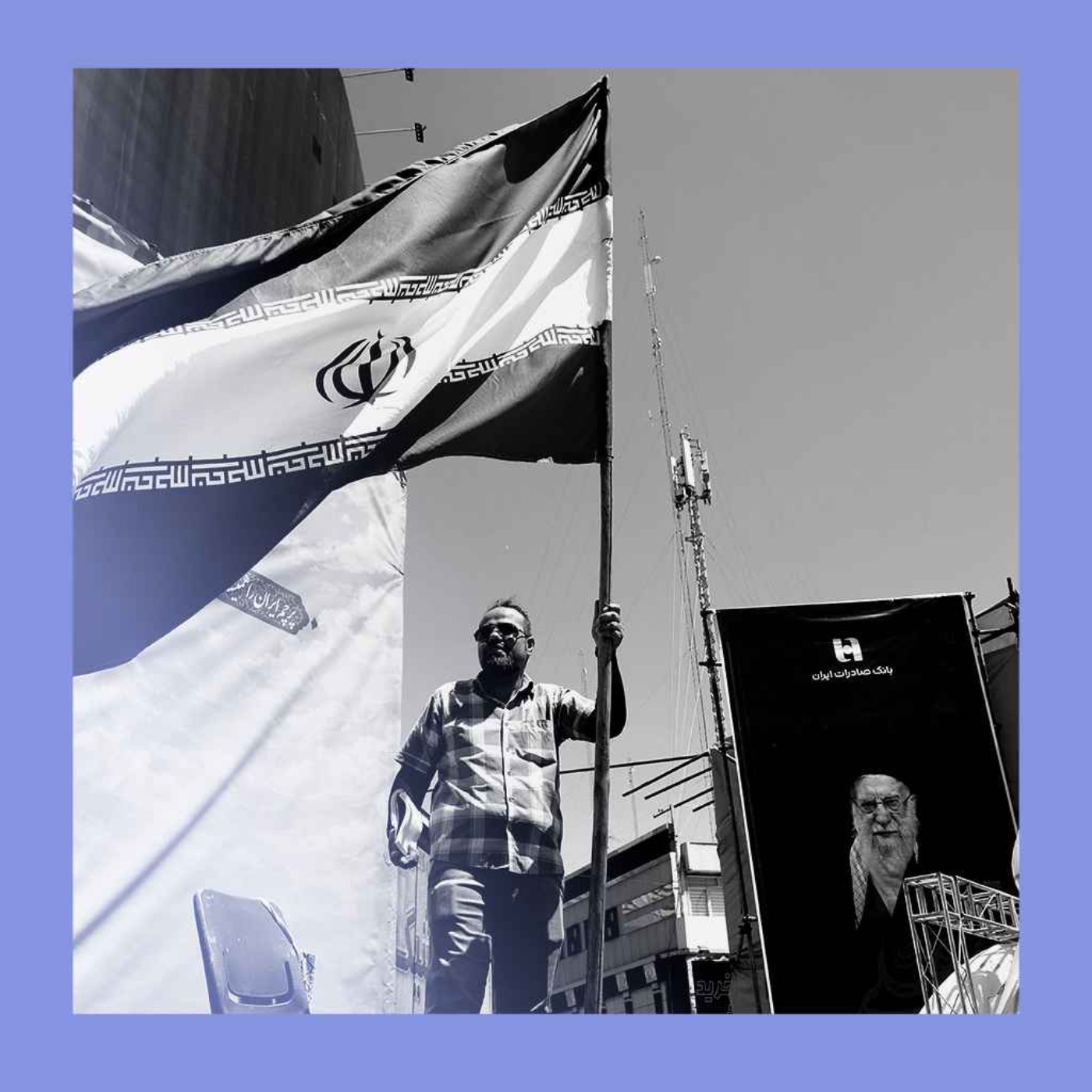
The US-Iran agreement is a "deal to do more deal making," deferring critical issues like the nuclear program and long-term sanctions. This approach secures short-term stability but fails to resolve underlying conflicts, creating a high probability that the crisis will re-ignite once the interim negotiation period ends.
Even if top AI firms contribute 3% of their equity to a public fund, the resulting annual dividend per American would be just $10-$20. In an optimistic scenario where valuations increase 20-fold, the payout is still only a few hundred dollars—far from a safety net against AI-driven job displacement.
Despite a long history of dramatic failures, English football fans' optimism persists before each tournament. This is driven by relentless media coverage that frames each competition as an existential event, creating a unique cultural cycle where hope consistently triumphs over the painful memory of past disappointments.
If the government holds equity in AI companies to redistribute wealth, it becomes both a regulator and a shareholder. This creates a conflict of interest where it may hesitate to impose necessary safety regulations that could harm the profitability and value of its own investment, potentially compromising public safety.
Policies capturing wealth from a few AI labs are too narrow. Long-term economic benefits will likely accrue to a wide range of companies that successfully integrate AI to boost productivity. This suggests a broad-based corporate tax would be a more effective tool for wealth redistribution than targeting a few supposed "winners."
The US-Iran framework deal was primarily motivated by the need to reopen the critical Strait of Hormuz for oil transport. This narrow economic aim took precedence over allies' broader security concerns, such as dismantling Iran's missile program, revealing a divergence in strategic priorities between the US and Israel.