Get your free personalized podcast brief
We scan new podcasts and send you the top 5 insights daily.
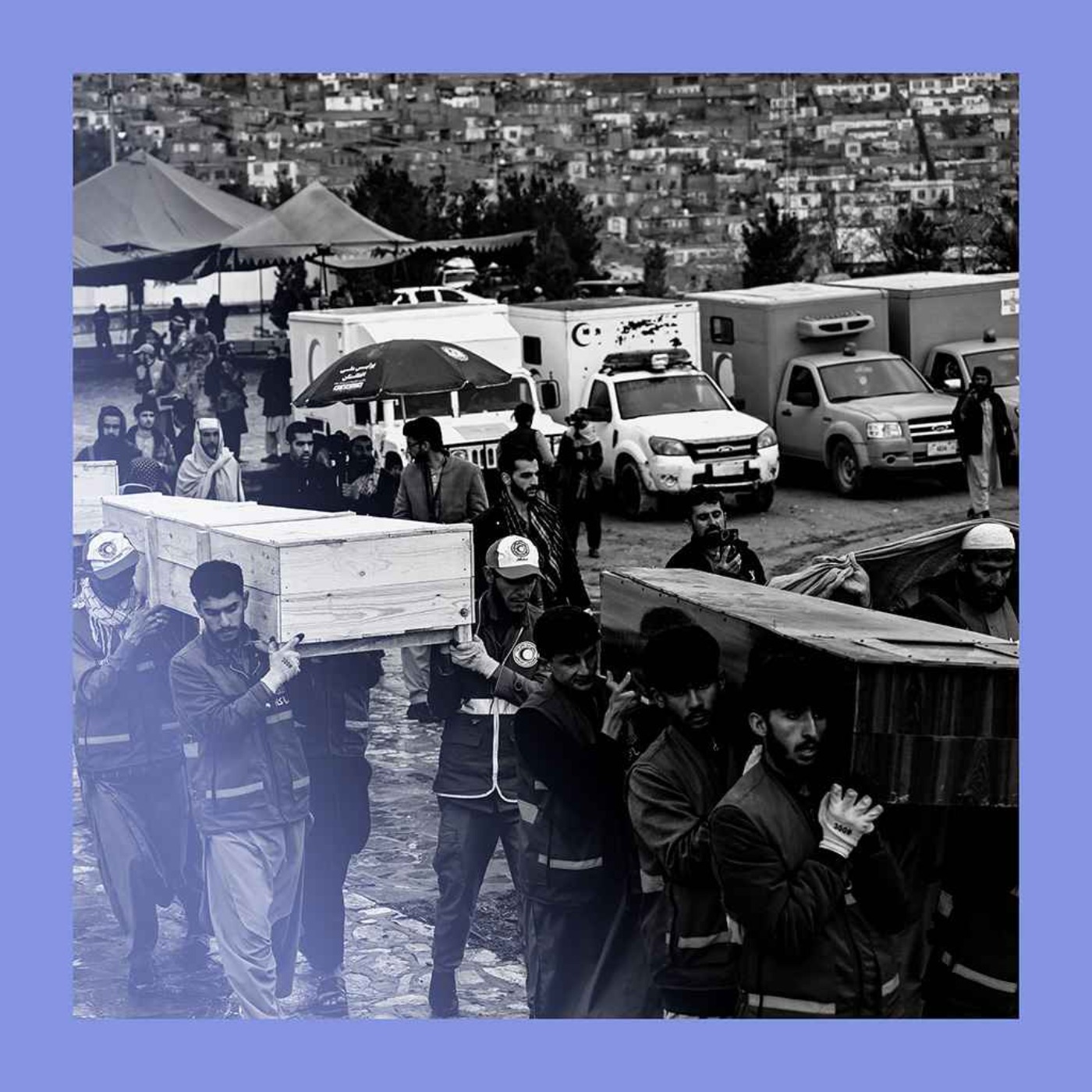
Societies adapt to escalating geopolitical tensions much like a frog being slowly boiled. Threats that would have seemed outrageous months ago become the new normal, masking the true severity and risk of the current situation until it's too late.
Related Insights
A population can be habituated to war through gradual escalation. By starting with seemingly small, contained "lightning strikes," each subsequent step feels less shocking. This incremental approach can lead a nation into a major conflict without a single decisive moment of public debate or consent.

For generations, Western societies have viewed peace and prosperity as the default state. This perception is a historical outlier, making the return to 'dog eat dog' great power politics seem shocking, when in fact it's a reversion to the historical norm of conflict.

Historically, rising and ruling powers don't stumble into war directly. Instead, their heightened distrust creates a tinderbox where a seemingly minor incident involving a third party (like the assassination in Sarajevo pre-WWI) can escalate uncontrollably into a catastrophic conflict.

The podcast uses a video game analogy to stress that in real-world conflicts, there's no option to restart after a mistake. Decisions, like the current Iran strategy, have permanent, cascading consequences that cannot be undone by simply changing tactics.

When a leader initiates a conflict, an exit that leaves the situation worse than before is politically untenable. This dynamic creates immense pressure to avoid withdrawal and instead escalate involvement, as backing out becomes "political suicide."

The host likens daily news consumption to being a frog in slowly boiling water; one doesn't notice gradual, dangerous changes. Taking an extended break provides a jarring perspective upon return, making the severity and speed of political shifts—such as escalating federal actions and rhetoric—starkly and alarmingly clear.

Author Robert Kaplan uses the Weimar Republic not to predict another Hitler, but as an analogy for a world in permanent crisis. Technology has shrunk the globe, creating a claustrophobic, anxious environment where no single power is in control, leading to constant paralysis rather than a clear authoritarian outcome.
Constant exposure to global crises like political polarization causes a 'collective amygdala hijack,' putting society into a chronic defensive state that impairs higher-order thinking and empathy. In this state, we lose nuance, become more prone to tribalism, and are easier to control.

The conversation highlights how urgent, fast-moving political and social fires consume all available public attention and concern. This leaves no bandwidth for slower, more abstract existential risks like climate change, which fall down the priority list because society can't even focus on emergencies that are six months away, let alone decades.
While events like the pandemic, the Ukraine war, and the Iran conflict are individually unique, their rapid succession conditions the public to expect continuous price shocks. This transforms transitory inflation into a deep-rooted psychological problem for central banks, as people stop seeing these events as isolated.