Get your free personalized podcast brief
We scan new podcasts and send you the top 5 insights daily.
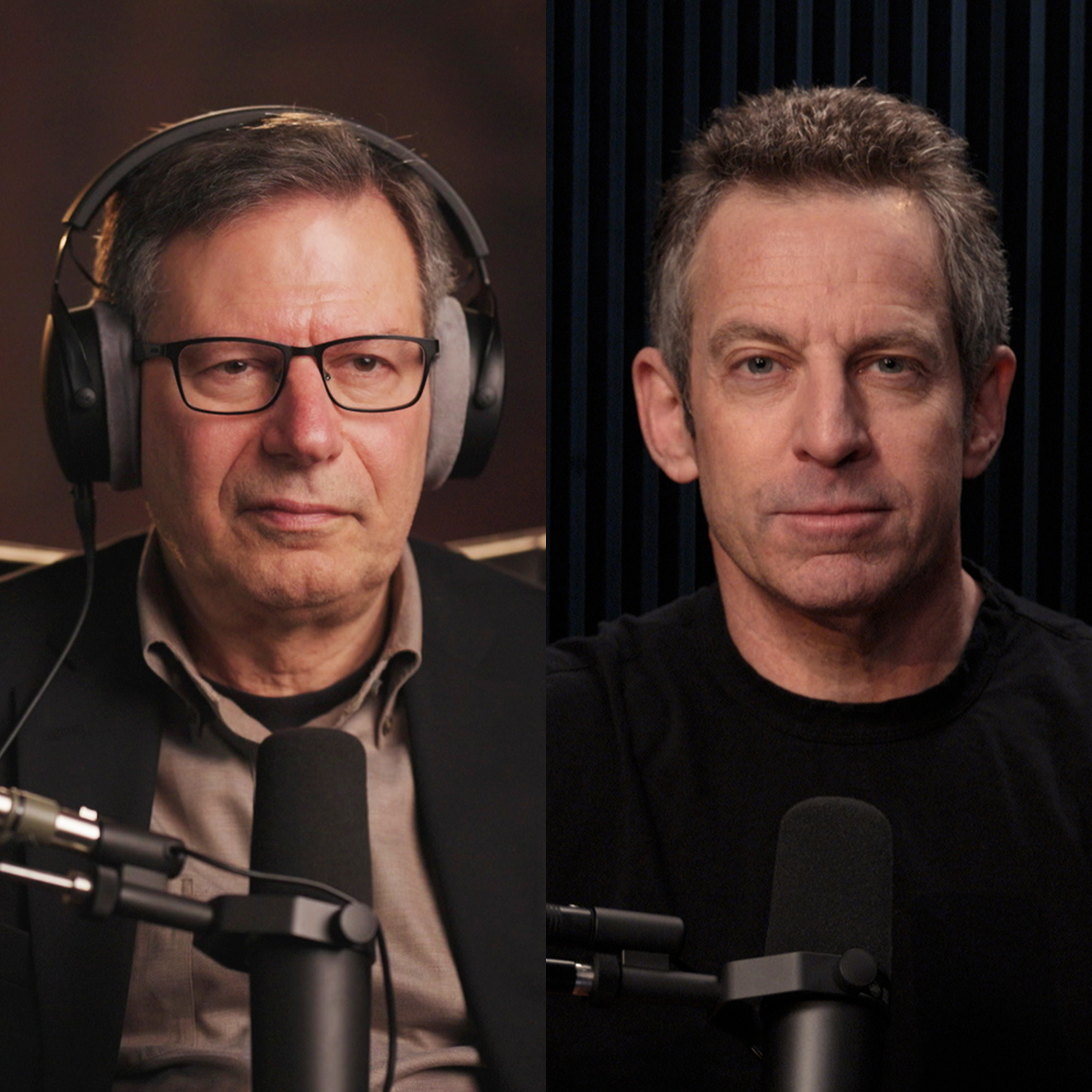
Author Robert Kaplan uses the Weimar Republic not to predict another Hitler, but as an analogy for a world in permanent crisis. Technology has shrunk the globe, creating a claustrophobic, anxious environment where no single power is in control, leading to constant paralysis rather than a clear authoritarian outcome.
Related Insights
While societal decline can be a long, slow process, it can unravel rapidly. The tipping point is when the outside world loses confidence in a nation's core institutions, such as its legal system or central bank. This triggers a sudden flight of capital, talent, and investment, drastically accelerating the collapse.

The current era of multipolarity, global economic integration, and tensions between rising and incumbent powers (like China and the US) is more analogous to the early 20th century before WWI than the bipolar Cold War. This historical parallel carries stark warnings about the potential for conflict.

Policymakers instinctively rely on historical analogies. While powerful, this reliance is dangerous when based on simplistic or false comparisons like 'another Munich' or 'another Vietnam.' This makes rigorous, nuanced historical perspective essential to avoid repeating past mistakes driven by flawed parallels.
The current environment mirrors the late 19th century's first wave of globalization. Then, as now, rapid technological change concentrated wealth, fueling populism and nationalism that ultimately led to global conflict in 1914. We risk 'sleepwalking' into a similar catastrophe.

The centralizing technologies of the 20th century (mass media, mass production) are being superseded by decentralizing ones (internet, crypto). This is causing history to "run in reverse," with modern events mirroring 19th-century patterns like the rise of robber baron-like figures and the fracturing of empires.

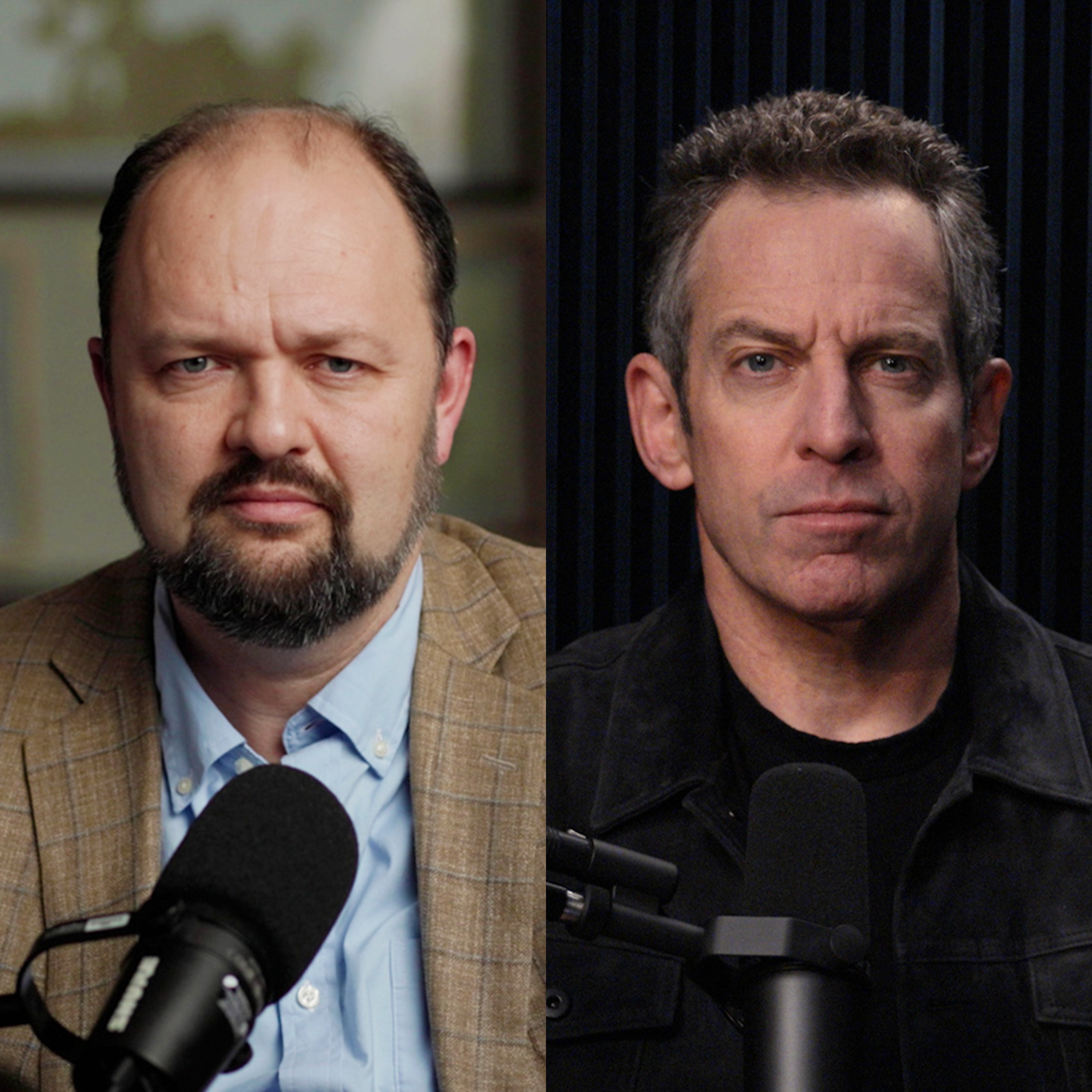
New York Times columnist Ross Douthat argues the root of modern anxiety isn't just policy, but a growing sense that digital culture and AI are making humans obsolete. This feeling fuels unhappiness, loneliness, and demographic decline, which in turn manifests as political polarization.
The post-Cold War era of stability is over. The world is returning to an 'Old Normal' where great power conflict plays out in the economic arena. This new state is defined by fiscal dominance, weaponized supply chains, and structurally higher inflation, risk premia, and volatility.
Current instability is not unique to one country but part of a global pattern. This mirrors historical "crisis centuries" (like the 17th) where civil wars, plagues, and economic turmoil occurred simultaneously across different civilizations, driven by similar underlying variables.

The period from 1870-1914 mirrors today's super cycle of innovation, wealth concentration, inequality, populism, nationalism, and geopolitical rivalry. This makes it a more relevant historical parallel for understanding current risks than the recent era of hyper-globalization.
The era of limited information sources allowed for a controlled, shared narrative. The current media landscape, with its volume and velocity of information, fractures consensus and erodes trust, making it nearly impossible for society to move forward in lockstep.