Get your free personalized podcast brief
We scan new podcasts and send you the top 5 insights daily.
When competitors focus on convenience, a premium brand can stand out by highlighting specific, high-quality ingredients from recognizable third-party brands (e.g., La Colombe coffee). This provides a tangible and credible story of superior quality that customers can trust.

Related Insights
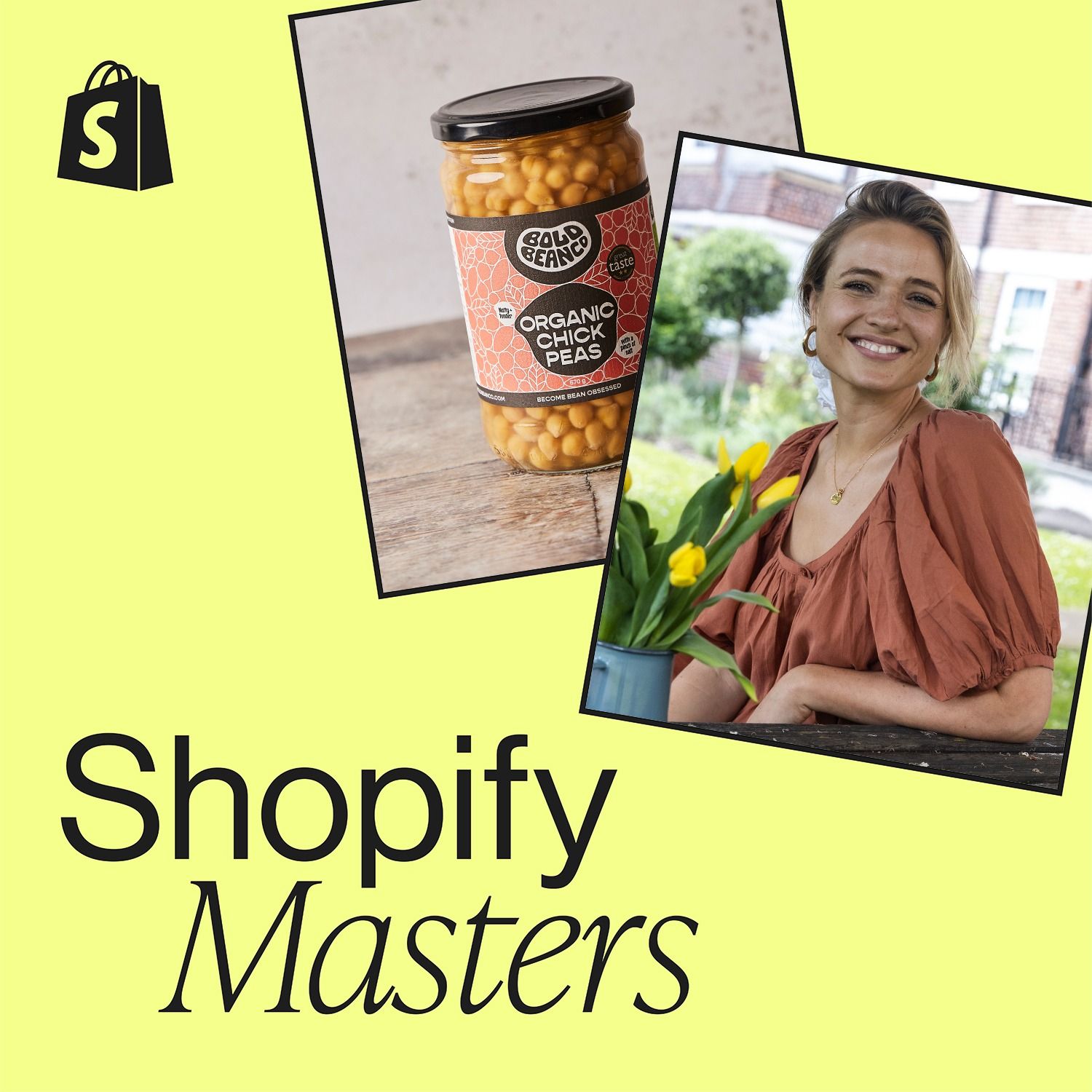
Influential chefs are reluctant to promote finished CPG products (like sauces) that compete with their expertise. However, they will champion a premium ingredient brand like Bold Bean Co. because it enhances their own recipes without compromising their culinary authority, making them natural advocates.
Unlike competitors whose store brands are cheaper versions of national products, Trader Joe's mandates that its private label items offer a unique value proposition. This could be a novel ingredient, unique packaging, or a better price on a superior item, reinforcing their brand as an innovator, not a discounter.
The brand used clear glass jars, initially a byproduct of a superior cooking method, to showcase the beans' quality. This transparency shifted consumer perception from a hidden pantry staple to a premium, display-worthy ingredient, justifying a higher price point.
A successful brand 'wedge' isn't a mission statement like 'better ingredients.' It’s a specific, tangible reason—a unique ingredient, a novel form factor—that makes a customer choose you over 47 other options. If you can't state it in a single sentence, you don't have one.

Instead of mass-market appeal, La Colombe focused on becoming the coffee supplier for the world's best restaurants. They believed that if they could win over the most discerning palates, their reputation for quality would cascade down to the general public, creating an unassailable brand.
When entering the market, La Colombe's wholesale price was over five times the standard rate. They overcame price objections from chefs by reframing coffee not as a commodity beverage, but as a high-quality "spice," an essential ingredient where quality dictates the price.
By making fundamental components like bread, bacon, and butter from scratch, a restaurant creates a tangible story of quality and craftsmanship. This narrative elevates a simple dish, like a bacon sandwich, into a premium experience, providing real value that resonates with customers.

For sophisticated consumers, branding based on unsubstantiated luxury materials can create skepticism. A marketing message focused on scientific proof, tangible benefits, and performance can be more compelling and build greater trust, especially for a high-price-point product.
A brand is a powerful moat that makes a generic product unique in the customer's mind. For example, Revlon and a generic CVS-brand makeup can come from the same factory, but the Revlon brand commands a higher price, conversion rate, and customer loyalty.

A brand can make a generic product unique, commanding higher prices and loyalty. Products may come off the same manufacturing line as a generic store brand, but the brand itself allows for a price premium, higher conversion, and increased stickiness, effectively creating a moat where one didn't exist.