Get your free personalized podcast brief
We scan new podcasts and send you the top 5 insights daily.
By making fundamental components like bread, bacon, and butter from scratch, a restaurant creates a tangible story of quality and craftsmanship. This narrative elevates a simple dish, like a bacon sandwich, into a premium experience, providing real value that resonates with customers.

Related Insights
In the crowded "healthy" food market, simply listing clean ingredients is insufficient. Brands must educate consumers on their unique processes (e.g., stone-milling grains) to demonstrate superior nutritional value and build trust. Framing it as a founder's personal mission adds authenticity.

To combat price objections, artisan cheese expert Adam Moskowitz reframes his product not as expensive, but as valuable. The superior flavor-per-bite of quality cheese provides more intrinsic value than cheaper, mass-market alternatives that primarily offer a generic 'creamy' texture.

The number one US sit-down chain, Texas Roadhouse, succeeds by defying the industry trend of using pre-prepared frozen food. Its competitive advantage comes from two key factors: performing scratch cooking in-house (e.g., cutting vegetables) and maximizing table turnover with a high server-to-table ratio.
For high-cost, locally made goods, your website and marketing must transparently detail the story of the materials, the factory, and the people. This narrative justifies the price and transforms the product into an artisanal craft that customers feel good about.
Inspired by the "Mad Men" 'It's Toasted' pitch, Norwegian Wool markets its production processes, like letting fabric rest for a month. These details, often taken for granted internally, become powerful narrative tools that convey quality, craftsmanship, and a compelling story to customers.

Even if a product's manufacturing process is standard for its industry, being the first to explain it to customers creates a powerful narrative of quality and transparency. This storytelling approach, championed by Claude Hopkins for Schlitz beer, builds a connection that converts customers.

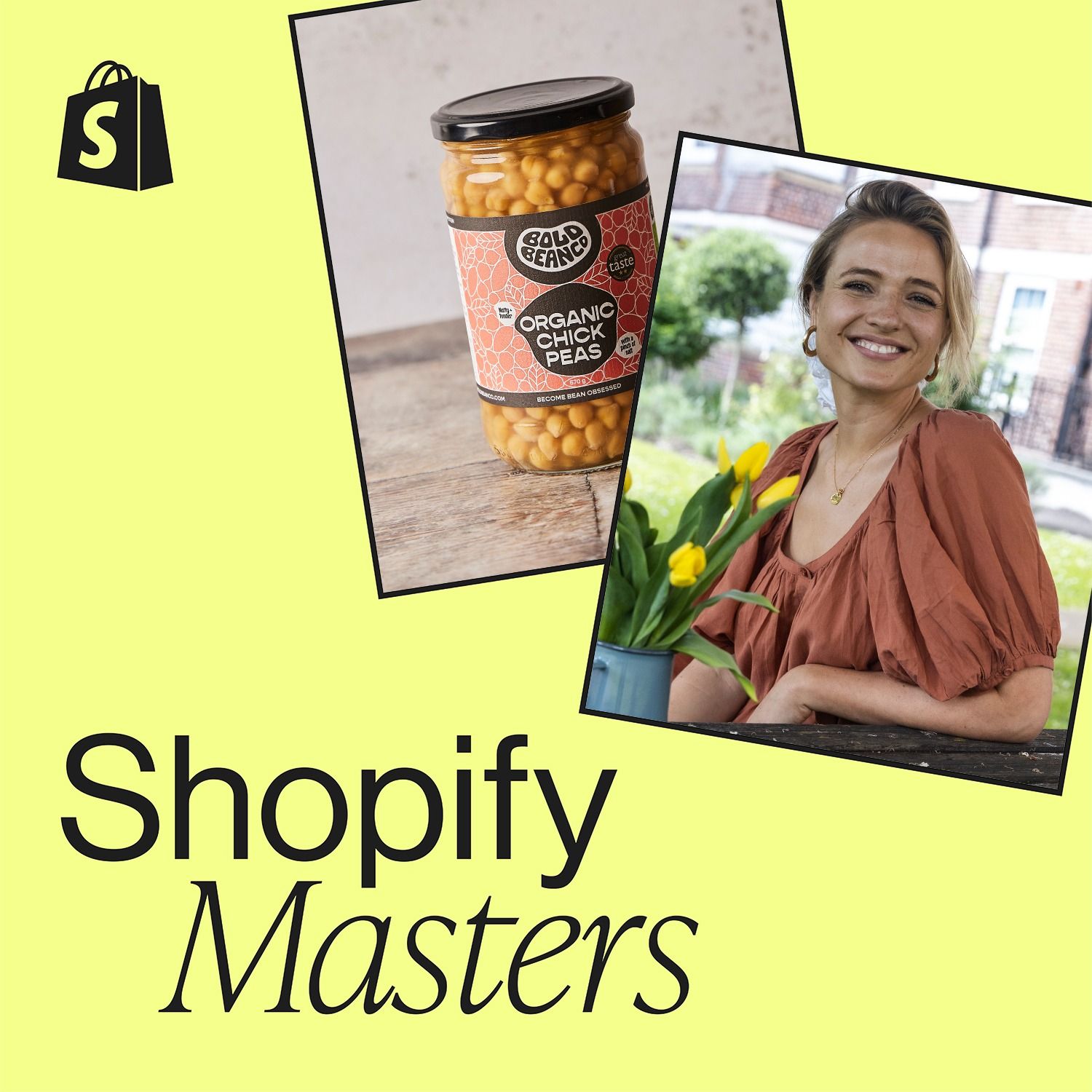
The brand used clear glass jars, initially a byproduct of a superior cooking method, to showcase the beans' quality. This transparency shifted consumer perception from a hidden pantry staple to a premium, display-worthy ingredient, justifying a higher price point.
The company's success with wine taught them a core merchandising principle: act as a trusted curator, not a passive landlord. They apply the wine merchant model—selecting interesting, small-batch items and telling their stories—to everything from nuts to frozen meals, building a brand based on discovery.
Persisting with a difficult, authentic, and more expensive production process, like using fresh ingredients instead of flavorings, is not a liability. It is the very thing that builds a long-term competitive advantage and a defensible brand story that copycats cannot easily replicate.
A successful brand 'wedge' isn't a mission statement like 'better ingredients.' It’s a specific, tangible reason—a unique ingredient, a novel form factor—that makes a customer choose you over 47 other options. If you can't state it in a single sentence, you don't have one.
