Get your free personalized podcast brief
We scan new podcasts and send you the top 5 insights daily.
During post-COVID supply chain disruptions, Simple Mills viewed the chaos as an opportunity. While competitors struggled with an 80% fill rate for retailer orders, Simple Mills invested to maintain 96%. This reliability built immense retailer trust and ensured their product was always on the shelf, allowing them to capture competitor market share.

Related Insights
By developing and owning the exact specifications for their fabrics—from the yarn to the finish—Faherty can move production between different manufacturers. This de-risks their supply chain from tariffs and geopolitical issues, as the "makers become less important."

Dell's direct model meant their components were just days old, while competitors' parts sat in channels for 90 days. This gave Dell both a cost advantage (component prices fall over time) and a product advantage (selling the latest chips), a combination competitors couldn't understand or replicate.

Caitlin Smith wasn't ready with recipes or packaging, but when a Whole Foods buyer offered a meeting, she took it. This forced her to accelerate her process and land a crucial first customer, demonstrating the power of seizing opportunities before feeling 100% prepared.
For D2C fashion brands, the inability of third-party suppliers to quickly fulfill reorders on trending products is a key trigger for vertical integration. Larroudé's co-founder realized the cost of one large factory order was equivalent to buying the machinery himself, enabling them to meet demand in weeks, not months.

Comfort strategically adjusts prices based on stock availability, not just demand. For fast-selling items, they increase the price to slow sales velocity, ensuring they stay in stock longer and avoid disappointing customers. This prioritizes long-term stability over short-term sales volume.

Instead of just reshoring manufacturing, Actively Black partnered with Black-owned cotton farms, transforming a logistical decision into a powerful brand narrative of "reclamation." This turned a product collection into one of their best-sellers, proving that supply chain choices can be a potent marketing tool.

Contrary to the popular myth of zero inventory, the Toyota Production System is nuanced. The company strategically stockpiles critical components with unreliable supply chains, like automotive semiconductors, demonstrating that true efficiency balances eliminating waste with building resilience.

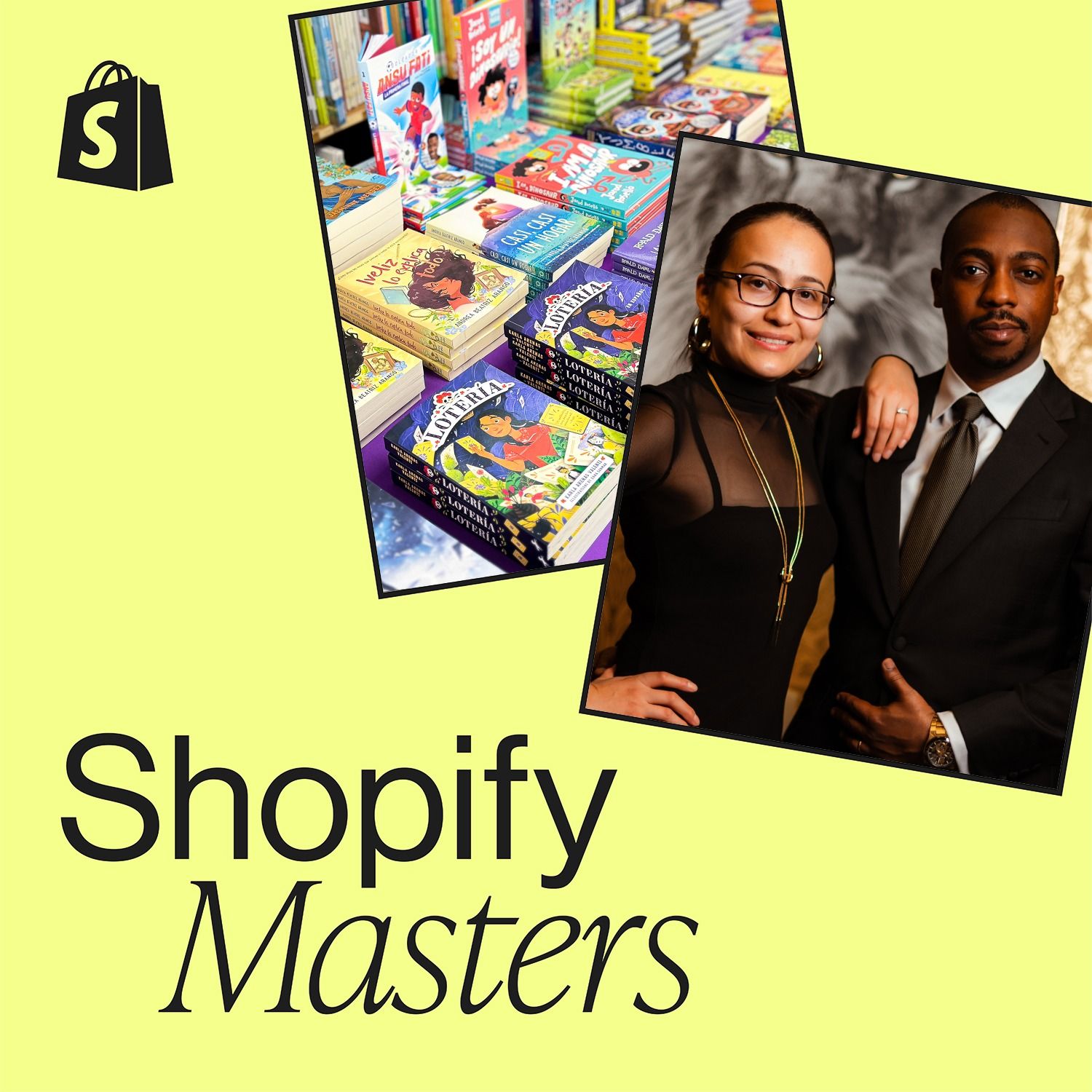
The publishing industry's failure to consistently stock diverse books created a problem for Miha Books. However, this forced them to constantly search for new titles. This weakness transformed into a strength, as their customers now praise their ever-fresh selection, a key differentiator from competitors with stagnant inventories.
Actively Black created a powerful brand narrative by building a 'Black owned supply chain,' using cotton from Black farmers for a 'Made in America' collection. This story of economic reclamation resonated so strongly with customers that it became a top-selling product line, proving a meaningful supply chain can be a brand's most compelling feature.

Instead of merely reacting to supply chain disruptions, AI allows companies to become proactive. It can model scenarios involving labor shortages, tariffs, and weather to reroute shipments and adjust inventory promises on websites in real-time, moving from crisis management to strategic orchestration.
