Get your free personalized podcast brief
We scan new podcasts and send you the top 5 insights daily.
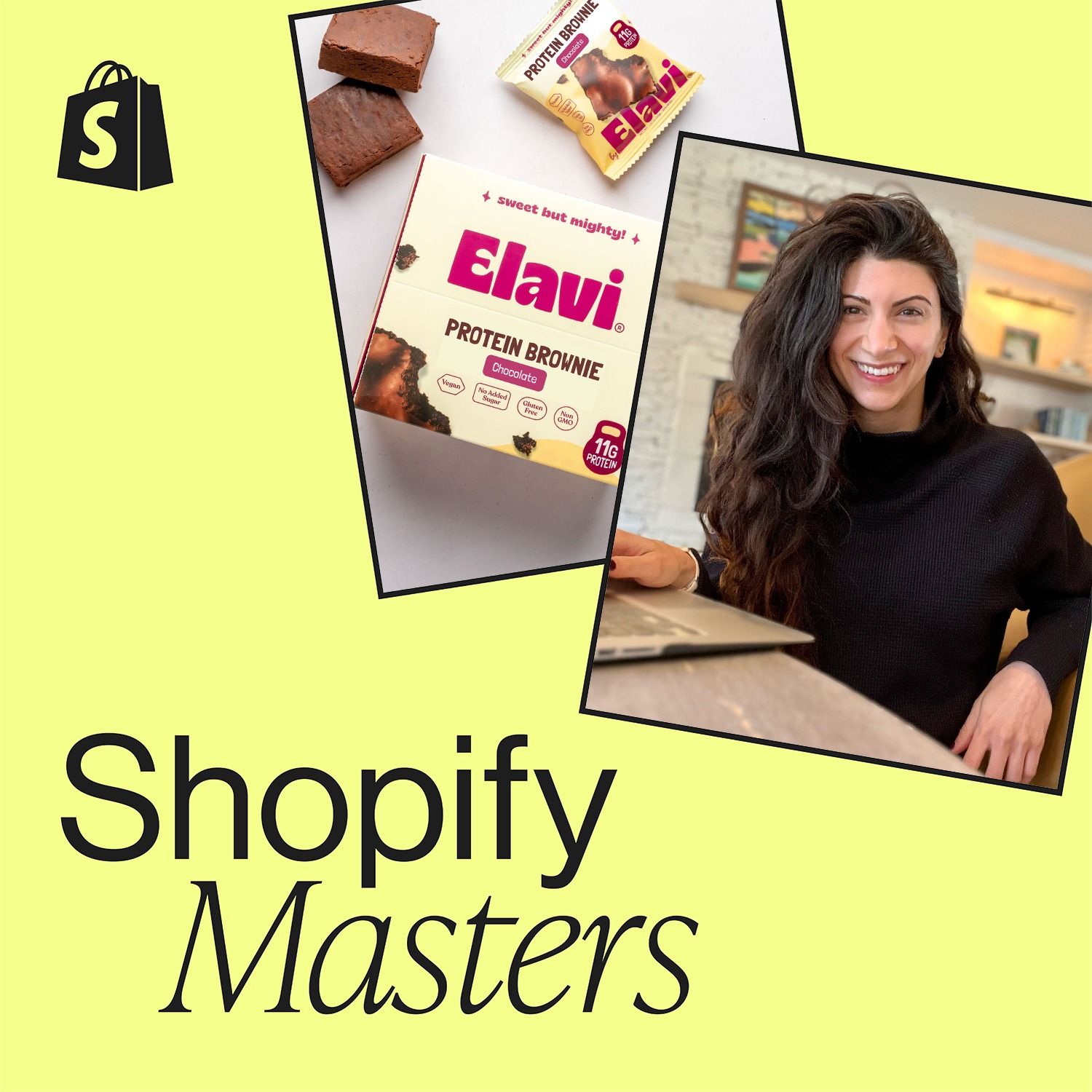
Caitlin Smith wasn't ready with recipes or packaging, but when a Whole Foods buyer offered a meeting, she took it. This forced her to accelerate her process and land a crucial first customer, demonstrating the power of seizing opportunities before feeling 100% prepared.

Related Insights
To get meetings with busy leaders before her product was ready, founder Janice Omadeke explicitly stated, "I am too early for you to purchase this." This non-threatening approach lowered their guard, reframing the conversation from a sales pitch to a collaborative session focused on learning their problems.
Getting into one local Whole Foods wasn't just a sale; it was a key. Travis immediately leveraged that single, high-credibility placement to persuade other local retailers to carry his product. He understood that one prestigious "yes" acts as powerful social proof, creating a domino effect for distribution.

A successful cold pitch isn't an essay about your brand's story. It should be short enough to maintain interest, compellingly frame the value you offer the recipient (not the other way around), and end with a clear, actionable request like sending samples.
In a venture climate dominated by tech, Simple Mills struggled to attract institutional investors. The founder succeeded by focusing on angel investors, who were more open to a consumer brand and funded her first three rounds, demonstrating their crucial role for non-tech startups.
The founder of Simple Mills pitched so many investors (8 per day) that two potentials randomly met in a Whole Foods aisle while looking at her product. This serendipitous moment led directly to her lead investor signing on, proving that sheer volume in fundraising can generate its own luck.
Many entrepreneurs become paralyzed by trying to mitigate every possible risk. Instead, successful founders should prioritize aggressively pursuing opportunities, understanding that risk is something to be managed, not eliminated, along the way.
Jane Wurwand advises a premium food startup to avoid large supermarkets early on. Big chains demand high volume and have long payment cycles that can crush a new business. Instead, focus on small, high-end local grocers where the brand story can shine and payment terms are more manageable.
When the Target buyer asked if they had supply chain issues before offering a chain-wide launch, the founder instantly said 'nope'—despite producing in a 'chicken coop.' This bold move secured the deal, forcing them to rapidly scale.
Instead of waiting for a working product, the founders invested in a conference booth with just screenshots. This early, public validation test, though risky, attracted two crucial prospects who became their first customers. This demonstrated market demand before the product was fully built, a move many founders would avoid.

During post-COVID supply chain disruptions, Simple Mills viewed the chaos as an opportunity. While competitors struggled with an 80% fill rate for retailer orders, Simple Mills invested to maintain 96%. This reliability built immense retailer trust and ensured their product was always on the shelf, allowing them to capture competitor market share.