Get your free personalized podcast brief
We scan new podcasts and send you the top 5 insights daily.
A key pillar of the transition plan is encouraging defections from the current regime's military. Shervin Peshavar reveals that a secure communication channel set up by the Crown Prince has already received responses from over 50,000 military personnel, signaling widespread internal dissent.

Related Insights
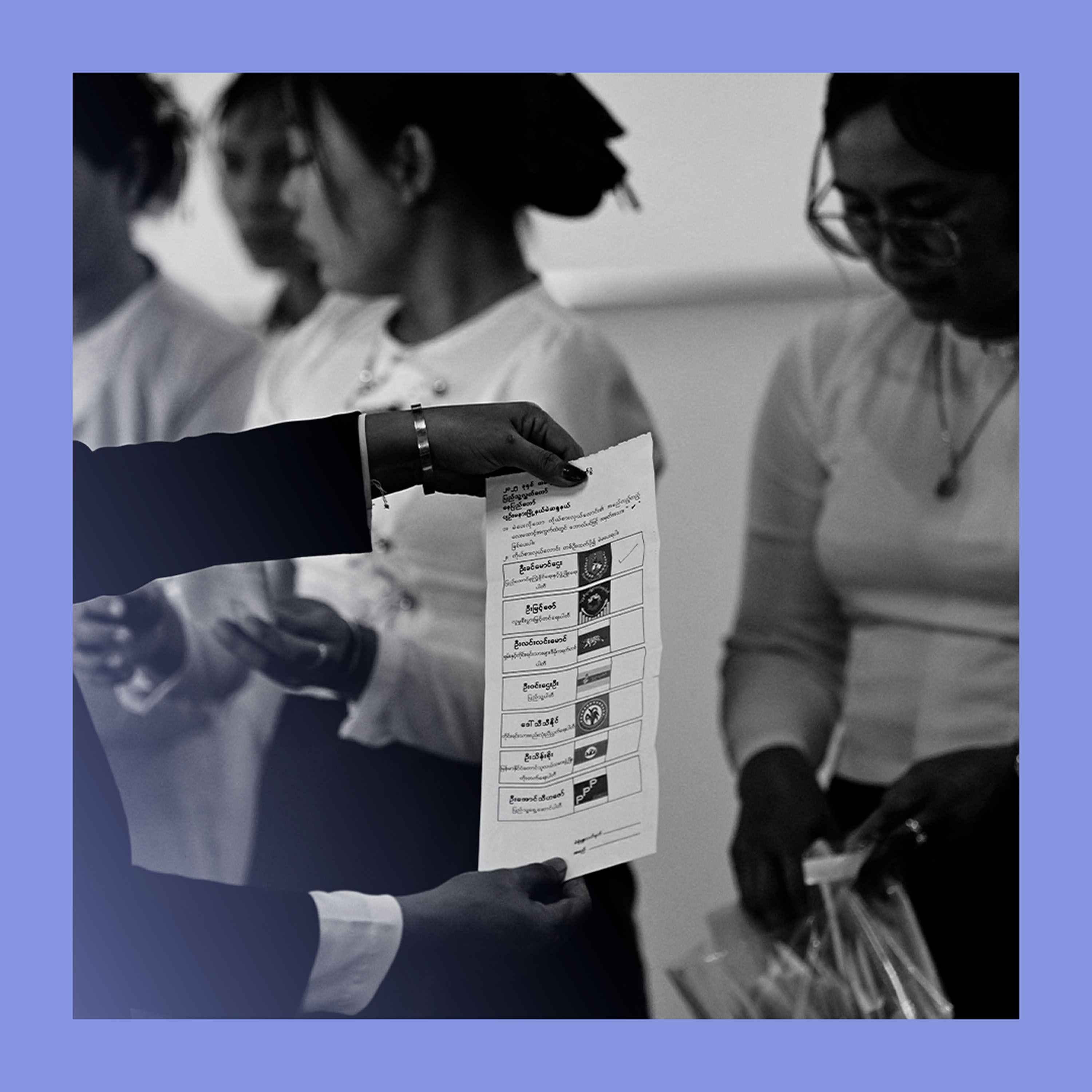
The widely condemned election is not for public legitimacy but serves as a potential internal political mechanism. Many in the military brass consider their leader, Min Aung Hlaing, to be inept and may use the election's outcome as a pretext to displace him and install new leadership.
Contrary to the typical anti-war sentiment in the West, anecdotal evidence suggests that an overwhelming majority of Iranians who oppose the regime—perhaps 80% or more—would welcome outside help. They feel abandoned after the US promised support for protesters, making them receptive to foreign intervention.

Contrary to a "burn-it-all-down" revolutionary approach, Reza Pahlavi proposes a pragmatic transition. He plans to incorporate existing state institutions, including the Islamic Revolutionary Guard Corps (IRGC), into his vision for a new national army to ensure stability and state function.
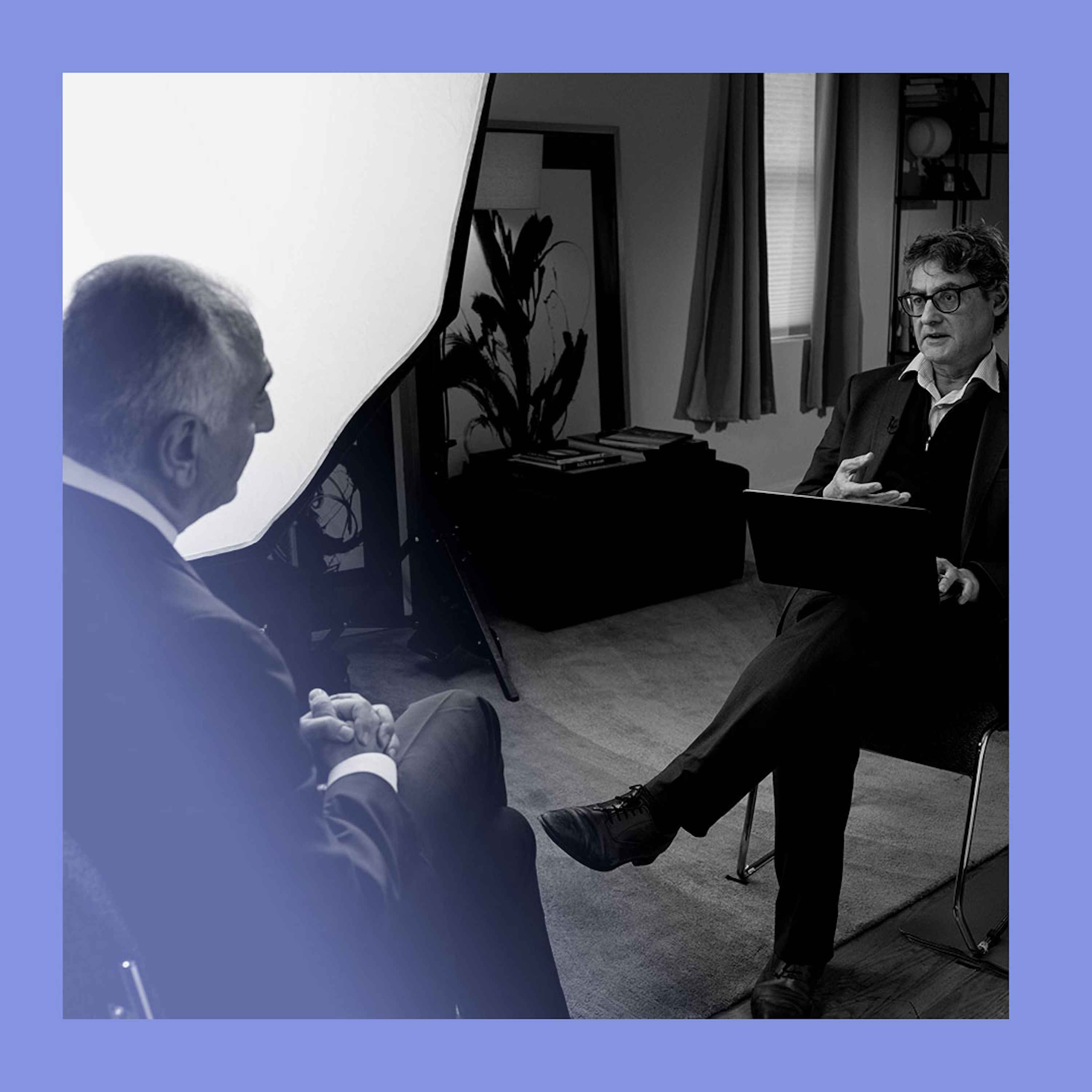
Reza Pahlavi's strategy is not based on domestic uprising alone. He believes protestors are "sacrificial lambs" who cannot succeed without direct American military intervention, framing them as a "fort waiting for the cavalry." This dependence makes his plan vulnerable to US political shifts.
Shervin Peshavar strongly emphasizes that preserving Iran's existing borders is non-negotiable for the opposition movement. He warns that supporting any separatist groups, even for tactical advantage, would alienate the Iranian people and undermine the entire effort due to a deep-seated national identity.
The Iranian populace is exhausted with theocratic rule after five decades. Any future authoritarian leader will likely be a product of the intelligence or security services, appealing to nationalism rather than revolutionary ideology. The era of the turban-wearing ruler is over.

The current Iranian protests are uniquely potent because the regime is at its weakest geopolitically. The loss of regional proxies like Hezbollah and Hamas, coupled with key ally Russia's preoccupation with Ukraine, has left the Iranian government more isolated and vulnerable than during any previous wave of unrest.

Unlike the de-Ba'athification in Iraq, the proposed transition for Iran includes a path for members of the current military and bureaucracy. Those who did not commit atrocities will be offered roles or retirement, a strategy designed to ensure stability and prevent a power vacuum.
Israeli officials now openly state regime change in Iran is their goal. However, their strategy is not a direct overthrow but rather to target Iran's internal "suppression" forces. By removing the regime's tools to quell dissent, they aim to create an opportunity for the Iranian people to rise up themselves.
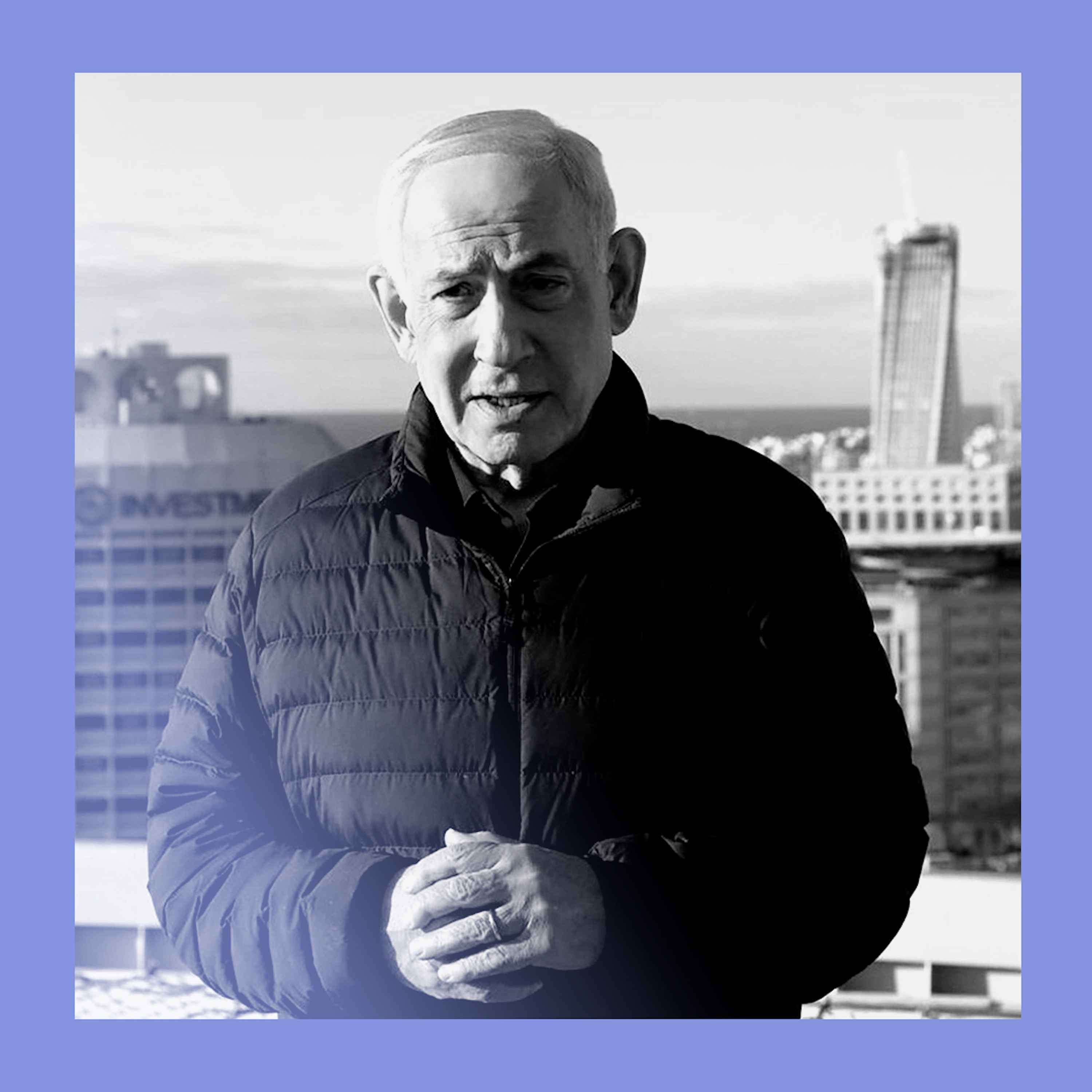
Unlike nascent revolutionary states that rally against foreign attacks, late-stage dictatorships are weakened by military defeats. Iran's recent humiliations by Israel and the US have exposed incompetence and eroded the public's perception of strength, fueling protests and accelerating the regime's demise.