Get your free personalized podcast brief
We scan new podcasts and send you the top 5 insights daily.
Effective mentorship does not necessarily require years of structured programming. A high school teacher met with David for merely one or two hours, but David actively leveraged that brief guidance to unlock lifelong academic discipline and confidence.

Related Insights
Studies at Stanford found that a short intervention, where a peer reframed a first-generation student's struggle as a sign of capability, had a transformative effect on performance that lasted for years. This shows the power of crafting a more generative personal narrative.

Jack Dorsey reframes mentorship away from finding one specific guide. Instead, he actively decides to learn from every person he meets and every problem he faces, turning all experiences—especially negative feedback—into learning opportunities.

A mentor isn't someone who provides step-by-step instructions. The most powerful learning comes from finding someone you admire and closely observing their every move, how they speak, and how they behave in the face of obstacles, rather than seeking direct guidance.

A formal "mentor" title is unnecessary for learning. You can gain a mentor by simply following someone's work, absorbing their content, and applying their lessons. As Casey Patterson noted, her mentor didn't even know she was a mentee at first, flipping the traditional script on its head.

True 'mentor magnets' never send generic emails asking someone to be their mentor. Instead, as demonstrated by Cody Coleman reaching out to Angela Duckworth, they display curiosity, show deep preparation, express gratitude, and actively volunteer to help with a project the mentor is already working on. This low-friction collaboration transforms a brief interaction into a lasting, high-value developmental relationship.

Effective mentorship isn't a planned activity but an instinctive response to seeing others struggle. For leader Nick Pachuda, the impulse to stop and offer a few minutes of help has proven more impactful than formal programs, often changing the trajectory of others' careers.

Busy, successful people mentor others because they find joy in watching that person grow. Mentees must show they are applying the advice and getting results. This demonstrates a return on the mentor's time and emotional investment, ensuring their continued engagement.

Phillip Sharp advises that the best mentors don't make decisions for their mentees. Instead, they use conversation to help them think through the consequences of different paths and understand their options more clearly. The goal is to facilitate the mentee's own decision-making process.
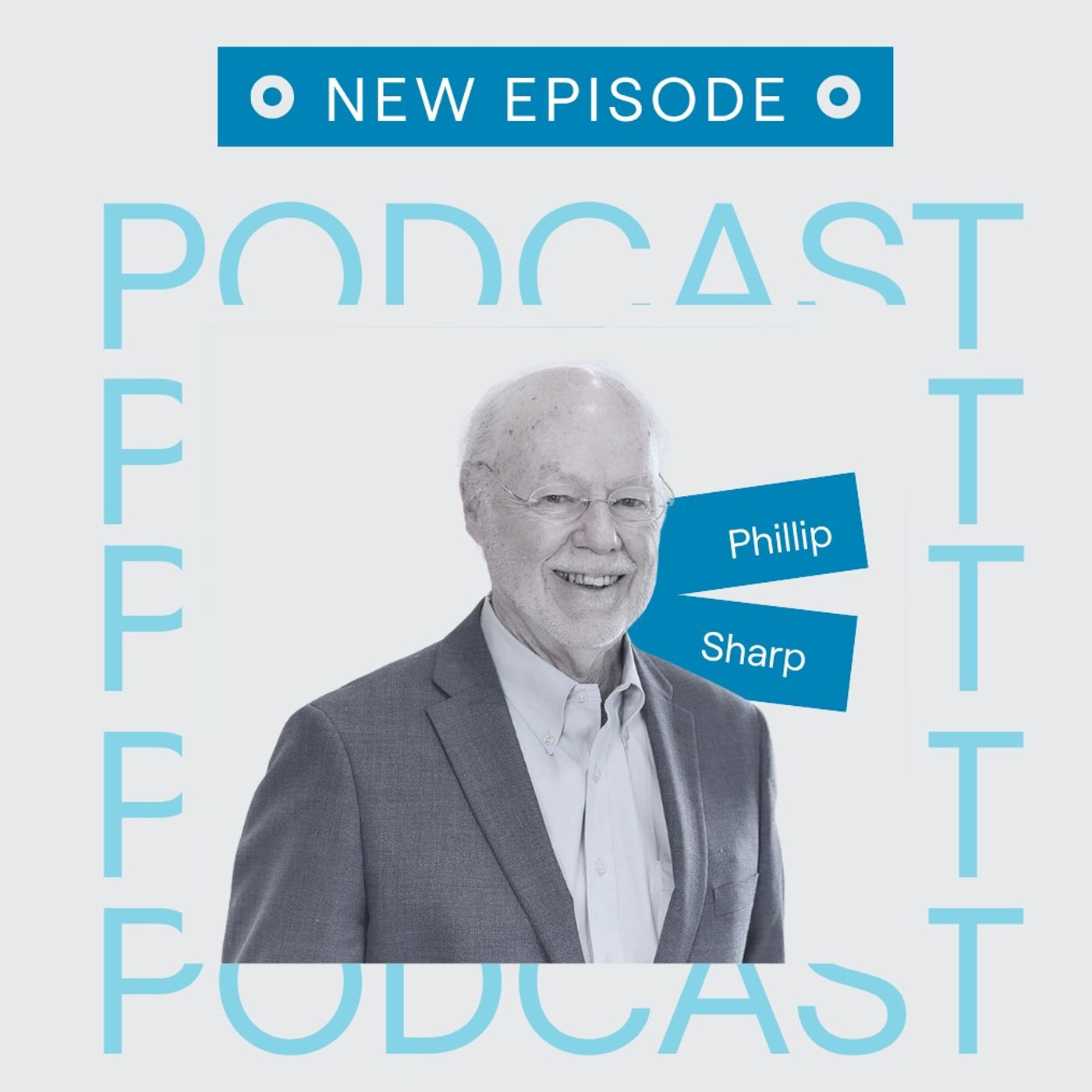
The best early-career bosses act as mentors. However, the responsibility falls on the employee to actively and repeatedly tap into that resource. Viewing mentorship as a continuous conversation, rather than a single meeting, is key to accelerating growth.

For short-term mentoring to be impactful, it must be painful. The goal isn't gentle guidance but to make an overlooked opportunity or flaw so painfully obvious that the mentee is jolted into action, partly to prove the mentor wrong. It's 'crash therapy'—uncomfortable but highly effective at driving change.
